
International Journal of Nanoelectronics and Materials
metrics 2024
Advancing the frontiers of Nanoelectronics and Material Sciences.
Introduction
The International Journal of Nanoelectronics and Materials is a pivotal publication in the field of Nanoelectronics and Material Sciences, established by UNIMAP PRESS in Malaysia. With its ISSN 1985-5761 and E-ISSN 2232-1535, this journal has been providing a platform for innovative research and development since its inception in 2012 and is set to continue through 2024. Although categorized in the Q4 quartile for both Electrical and Electronic Engineering and Electronic, Optical and Magnetic Materials as of 2023, it presents an invaluable opportunity for authors to share their findings with a diverse audience while enhancing their academic visibility. The journal is accessible to a varied readership, including researchers, professionals, and students, emphasizing novel methodologies and applications in nanoelectronics technology and material science. It aims to foster scholarly communication and advance knowledge in these critical fields, making it an essential resource for those at the forefront of technological advancements.
Metrics 2024
 0.170.701.1022
Metrics History
Rank 2024
Scopus
IF (Web Of Science)
JCI (Web Of Science)
Quartile History
Similar Journals

Discover Nano
Igniting Discussions in Nanoscience and BeyondDiscover Nano is a pioneering journal published by SPRINGER, dedicated to the rapidly evolving field of nanoscience and nanotechnology. Established in 2023, this innovative platform provides an open-access forum for researchers, professionals, and students to share and disseminate cutting-edge findings in materials science and condensed matter physics. With its commitment to accessibility, Discover Nano encourages a broad spectrum of contributions, aiming to foster collaboration and stimulate discussion in this dynamic area of study. As a new entry into the academic community, the journal holds great potential for growth, aspiring to increase its visibility and impact in the materials science arena, where it currently ranks in the bottom quartile for both materials science and physics categories. Based in Germany and reaching a global audience, Discover Nano represents a significant opportunity for those looking to shape the future of nanotechnology through impactful research and interdisciplinary dialogue.
BULLETIN OF MATERIALS SCIENCE
Pioneering Research in the Heart of Materials ScienceBulletin of Materials Science, published by the Indian Academy of Sciences, is a distinguished journal that has been contributing to the field of materials science since its inception in 1979. With an ISSN of 0250-4707 and E-ISSN 0973-7669, it provides a platform for researchers to share groundbreaking studies and advancements in the mechanics of materials and general materials science. As of 2023, the journal holds a respectable Q3 ranking in both the Materials Science (miscellaneous) and Mechanics of Materials categories, highlighting its competitive position in the academic landscape. Although the journal currently does not operate under an open access model, it remains a vital resource for professionals and students keen on exploring innovative material developments and methodologies. With a commitment to promoting high-quality research, the Bulletin of Materials Science features rigorous peer-review processes, making it an essential reference for anyone engaged in the materials science domain.

International Journal of Nano Dimension
Advancing the frontiers of nanotechnology.The International Journal of Nano Dimension is a premier publication dedicated to advancing the field of nanotechnology and its applications across various disciplines, published by the Islamic Azad University, Tonekabon Branch. With an ISSN of 2008-8868 and an E-ISSN of 2228-5059, this journal serves as a vital platform for researchers, professionals, and students seeking to disseminate and access cutting-edge findings in nano materials and their integration into science and engineering. The journal has gained notable recognition in Scopus rankings, especially within the fields of Materials Science and Chemical Engineering, emphasizing its commitment to high-quality research. Spanning the years from 2019 to 2024, the journal emphasizes open access to foster knowledge sharing in the scientific community. As nanotechnology continues to revolutionize industries, the International Journal of Nano Dimension plays an essential role in showcasing transformative research that addresses the challenges and opportunities of this dynamic field.
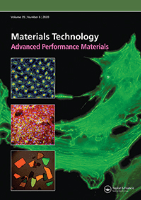
MATERIALS TECHNOLOGY
Transforming Ideas into Material SolutionsMATERIALS TECHNOLOGY is a prestigious academic journal published by Taylor & Francis Ltd, based in the United Kingdom. With an ISSN of 1066-7857 and an E-ISSN of 1753-5557, this journal has established itself as a vital resource in the fields of Condensed Matter Physics, Materials Science, Mechanical Engineering, and Mechanics of Materials, earning a Q2 ranking in multiple categories as of 2023. With a rich publication history that dates back to the early 1970s, it serves as an essential platform for disseminating innovative research and developments in materials technology. Although not available through Open Access, the journal continues to attract contributions from leading researchers, ensuring high-quality articles that advance knowledge in the materials domain. The journal's commitment to excellence is reflected in its notable Scopus rankings, placing it within the 70th to 78th percentiles across several engineering and physics categories. As a vital resource for researchers, professionals, and students alike, MATERIALS TECHNOLOGY plays a critical role in shaping the future of materials science and engineering.
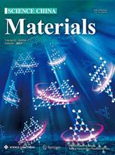
Science China-Materials
Leading the Charge in Materials Research Excellence.Science China-Materials is an esteemed peer-reviewed journal dedicated to advancing the field of materials science, published by SCIENCE PRESS. With a strong focus on innovative research and applications, this journal provides an essential platform for disseminating groundbreaking findings in materials development, characterization, and engineering. Since its inception, Science China-Materials has achieved an impressive Q1 ranking in the Materials Science (miscellaneous) category, reflecting its commitment to quality and the impact of its publications, as indicated by its 86th percentile ranking in Scopus. The journal is set to converge its contributions from 2016 to 2024, making it a vital resource for researchers and professionals interested in the latest advancements and trends in materials science. As an open access publication, it ensures that knowledge is freely available to a global audience, promoting collaboration and innovation across disciplines. The journal is headquartered in Beijing, China, and continues to attract high-quality submissions from leading experts in the field.
JOURNAL OF MATERIALS SCIENCE-MATERIALS IN ELECTRONICS
Unveiling Breakthroughs in Electronic Materials ResearchJOURNAL OF MATERIALS SCIENCE-MATERIALS IN ELECTRONICS, published by Springer, is a distinguished international journal that serves as a vital platform for the dissemination of cutting-edge research in the field of materials science, with a keen focus on electronics. Since its inception in 1990, this journal has consistently contributed to the advancement of knowledge across a range of interdisciplinary categories, including Atomic and Molecular Physics, Optical and Magnetic Materials, and Biomedical Engineering, achieving notable quartile positions in various 2023 Scopus rankings. With an impact factor that signifies its scholarly influence, this journal provides a rigorous peer-reviewed environment for researchers and practitioners to share innovative ideas, experimental findings, and theoretical developments. Although it does not currently offer open access options, the depth and breadth of topics covered—including condensed matter physics and bioengineering—make it an essential resource for those at the forefront of materials research. With a commitment to bridging the gap between theory and practical application, the JOURNAL OF MATERIALS SCIENCE-MATERIALS IN ELECTRONICS continues to pave the way for future explorations in the ever-evolving landscape of materials science.

Nano Materials Science
Exploring the Future of Nanotechnology and Engineering.Nano Materials Science is a premier open-access journal dedicated to the dissemination of groundbreaking research in the fields of nanotechnology, materials science, and chemical engineering. Published by KEAI PUBLISHING LTD, this journal has quickly established itself as a leading platform in its area since its inception in 2019, with impressive rankings in the Scopus database, holding a Q1 position across multiple categories, including Chemical Engineering and Materials Science. Based in Beijing, China, Nano Materials Science provides researchers and practitioners access to a wealth of high-quality peer-reviewed articles, fostering innovation and collaboration within the scientific community. With its impact factor steadily rising and a commitment to open access, the journal aims to bridge the gap between theoretical research and practical applications, making it an essential resource for professionals and students eager to stay at the forefront of materials research and nanotechnology advancements.
Beilstein Journal of Nanotechnology
Fostering interdisciplinary collaboration in nanotechnology.The Beilstein Journal of Nanotechnology is a prominent open access journal published by the Beilstein Institute that has been at the forefront of nanotechnology research since its inception in 2010. With a focus on cutting-edge developments in areas such as Electrical and Electronic Engineering, Materials Science, and Physics and Astronomy, this journal is ranked in the Q2 category across multiple scientific disciplines, reflecting its significant impact within the research community. The journal is accessible to a global audience and aims to foster innovation and application of nanotechnology across various fields. Featuring a rich convergence of interdisciplinary studies, the Beilstein Journal of Nanotechnology offers a platform for researchers to share their findings, thus advancing the frontiers of knowledge in this dynamic field. With publishers based in Frankfurt am Main, Germany, it continues to contribute to the scientific dialogue on nanoscience and its practical applications, making it an essential resource for academics, professionals, and students eager to stay at the cutting edge of technology.
Nanoscale
Shaping Tomorrow’s Technologies, Today.Nanoscale is a premier academic journal published by the Royal Society of Chemistry, dedicated to advancing the field of nanoscience and nanotechnology. With both its ISSN (2040-3364) and E-ISSN (2040-3372) ensuring wide accessibility, the journal is renowned for its high-impact research contributions, reflected in its impressive 2023 Impact Factor and prestigious Q1 ranking in both Materials Science (Miscellaneous) and Nanoscience and Nanotechnology categories. Since its inception in 2009, Nanoscale has fostered a collaborative platform where leading researchers from around the globe share their innovative findings across a multitude of topics spanning from material synthesis to applications in nanotechnology. The journal not only serves as a valuable resource for professionals, researchers, and students but also actively engages the academic community in discussing emerging trends, thus shaping the future of nanoscience. Situated in the heart of the UK at Thomas Graham House, Science Park, Milton Rd, Cambridge CB4 0WF, Nanoscale remains a key publication for those looking to keep abreast of the latest breakthroughs in an ever-evolving field.
Nanoscale Research Letters
Pioneering research for a nanoscale revolution.Nanoscale Research Letters, published by SPRINGER, is a leading open-access journal dedicated to the rapid dissemination of innovative research in the field of nanoscience and nanotechnology. Established in 2006, this journal provides researchers and professionals with a platform to share their groundbreaking findings across a broad spectrum of applications, including condensed matter physics and materials science. With an impressive Q1 ranking in both Condensed Matter Physics and Materials Science categories as of 2023, it asserts its position as a top-tier publication within the scientific community, bolstered by a 96th percentile rank in the Scopus database. Nanoscale Research Letters not only emphasizes the importance of nanotechnology research but also ensures that its findings are widely accessible, adhering to its open-access mandate. Scholars and students alike are encouraged to contribute to and engage with this dynamic resource, fostering collaboration and innovation in the ever-evolving world of nanoscience.