
International Journal of Technology in Education
Scope & Guideline
Exploring the Future of Learning and Technology
Introduction
Aims and Scopes
- Integration of Technology in Education:
The journal emphasizes the integration of various technologies, such as virtual reality, augmented reality, and artificial intelligence, into educational practices to improve learning outcomes and student engagement. - Pedagogical Innovations:
Research highlighting innovative teaching methodologies, including gamification, flipped classrooms, and inquiry-based learning, is a core focus, demonstrating how these approaches can transform traditional educational settings. - Assessment and Evaluation of Educational Technologies:
The journal frequently publishes studies that assess the effectiveness of educational technologies, tools, and methodologies, providing valuable insights into their impact on student learning and achievement. - Teacher Professional Development:
A significant area of interest is the professional development of educators, exploring how technology can support teachers in enhancing their pedagogical skills and adapting to new teaching environments. - Student-Centered Learning:
The journal promotes research that centers on student experiences, perspectives, and engagement with technology, advocating for educational practices that meet the diverse needs of learners.
Trending and Emerging
- Artificial Intelligence in Education:
Recent publications explore the implications of AI technologies like ChatGPT in educational settings, examining their potential for enhancing learning, teaching practices, and academic integrity. - Gamification and Game-Based Learning:
There is a growing trend towards researching gamification strategies and game-based learning, emphasizing their effectiveness in improving student engagement and motivation. - Virtual and Augmented Reality Applications:
The integration of virtual and augmented reality technologies in educational practices is gaining traction, with studies highlighting their role in immersive learning experiences. - Social Media as Educational Tools:
Increasing interest in the use of social media platforms for educational purposes reflects a trend towards leveraging these tools to enhance communication, collaboration, and engagement among students. - Data-Driven Approaches to Learning:
Emerging themes include the use of educational data mining and analytics to inform teaching practices and improve student outcomes, showcasing the potential of data in education.
Declining or Waning
- Traditional Teaching Methods:
There is a noticeable decrease in research focused on traditional teaching strategies, as the emphasis shifts towards more innovative, technology-driven approaches in education. - General Studies on Online Learning:
While online learning remains relevant, the specific studies that merely describe online learning environments without exploring innovative practices or technology integration are becoming less frequent. - Mobile Learning without Technological Integration:
Research solely focusing on mobile learning as a concept without integrating advanced technologies or pedagogical frameworks is declining, indicating a trend towards more comprehensive studies. - Static Assessment Techniques:
There is a waning interest in static assessment techniques that do not incorporate technology or adaptive methodologies, as educators seek more dynamic and responsive assessment models. - Basic Digital Literacy:
The focus on basic digital literacy skills is declining, with more emphasis now placed on advanced technological competencies and their application in educational contexts.
Similar Journals
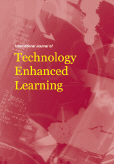
International Journal of Technology Enhanced Learning
Elevating Learning Environments with Innovative TechnologiesInternational Journal of Technology Enhanced Learning, published by INDERSCIENCE ENTERPRISES LTD, is a premier scholarly journal that comprehensively explores the intersection of technology and education, fostering innovative approaches to enhance learning processes. Established in 2008 and continuing through 2024, the journal is pivotal for researchers, educators, and technology professionals aiming to disseminate and engage with cutting-edge developments in technology-enhanced learning environments. With an admirable ranking in Scopus—placing in the 72nd percentile of Education and 49th in Computer Science Applications—the journal reflects a robust influence in the fields of Computer Science Applications and Education, as evidenced by its Q2 and Q3 quartile rankings. The journal not only provides a platform for empirical research and theoretical discourse but also emphasizes practical implementations in e-learning. Although it does not offer open access, its curated collection of articles serves as a vital resource for scholars and practitioners who are dedicated to advancing the nexus of technology and education.

Computers and Education Open
Transforming learning through technology.Computers and Education Open is a pioneering open access journal published by Elsevier that focuses on advancing the field of educational technology and digital learning methodologies. Since its inception in 2020, the journal has provided a platform for researchers, educators, and practitioners to disseminate innovative findings and share insights related to the integration of computing technologies in educational settings. With its ISSN 2666-5573, this journal aims to bridge the gap between technology and education, fostering a collaborative environment for those dedicated to enhancing learning experiences through computational tools. Leveraging the rigorous standards of Elsevier's publishing excellence, Computers and Education Open attracts high-quality research that influences pedagogical practices and educational policies globally. The open access nature of the journal ensures that valuable knowledge is freely accessible, making it an essential resource for academics and professionals looking to stay at the forefront of educational advancements.

International Journal of Education in Mathematics Science and Technology
Exploring new horizons in mathematics, science, and technology education.The International Journal of Education in Mathematics Science and Technology (ISSN: 2147-611X, E-ISSN: 2147-611X) is an esteemed publication dedicated to advancing knowledge and research in the fields of mathematics, science, and technology education. Published by Necmettin Erbakan University in Turkey, this journal serves as a vital platform for educators, researchers, and professionals to disseminate innovative methodologies, pedagogical strategies, and educational technologies. With a commendable Q2 ranking in both the Education and Mathematics categories for the year 2022, it clearly exemplifies its impact in these domains, boasting a Scopus rank of #19 out of 74 in Mathematics (miscellaneous) and a position in the 75th percentile. Although the journal has transitioned into open access, it remains committed to fostering a rich dialogue among scholars and practitioners dedicated to enhancing educational outcomes in mathematics and science. Researchers and educators interested in contributing to pedagogical advancements are encouraged to submit their work, thereby playing a part in influencing the future of education.
Journal of Computers in Education
Advancing Knowledge at the Intersection of Tech and Teaching.The Journal of Computers in Education is a distinguished academic journal published by SPRINGER HEIDELBERG, dedicated to advancing the intersection of technology and pedagogy. With an ISSN of 2197-9987, this journal has established itself as a pivotal resource for researchers and educators alike since its inception in 2019, maintaining a strong focus on innovative applications of computer science within educational contexts. Ranked in the Q1 category in both Computer Science Applications and Education, the journal demonstrates a high impact in its field, holding a remarkable position within the top 1.5% of journals in social sciences (rank #20/1543) and top 5.5% in computer science applications (rank #45/817). The journal's scope encompasses a wide range of topics including but not limited to educational technologies, e-learning methodologies, and the effective integration of computers in teaching, making it an essential source for professionals and students who are keen to explore cutting-edge research and trends. Although access options vary, the journal's commitment to disseminating quality research continues to enrich the academic landscape in Germany and beyond, nurturing the synergies between education and technology.
Aula Abierta
Connecting scholars to elevate educational standards.Aula Abierta is a prestigious academic journal published by the UNIV OVIEDO, INST CIENCIAS EDUCACION, specializing in the field of education. With an ISSN of 0210-2773 and an E-ISSN of 2341-2313, Aula Abierta has established itself as a vital platform for fostering scholarly discussions and disseminating innovative research in education. Ranking in the Q2 category for education in 2023, the journal is positioned within the 49th percentile of education research, as per Scopus rankings. Its scope encompasses a wide range of educational topics and methodologies, promoting accessibility and knowledge sharing among educators, researchers, and students alike. Situated in Spain, Aula Abierta plays an important role in advancing educational practices and theories for both local and international audiences. The journal's commitment to high-quality research makes it an essential resource for those looking to contribute to or expand their understanding of contemporary educational challenges and practices.
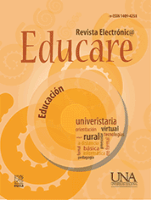
Revista Electronica Educare
Connecting Scholars to Transform Educational Practices.Revista Electronica Educare, published by UNIV NACL, CIDE in Costa Rica, stands as a vital resource in the field of education, contributing significantly to the discourse since its inception in 2001. As an Open Access journal, it promotes the dissemination of educational research globally, ensuring that valuable findings are accessible to a wider audience without financial barriers. With an increasing impact factor reflected in its current categorization in the Q3 quartile for education sciences and a Scopus rank of #989 among 1543 in Social Sciences, the journal is recognized for its quality and relevance in contemporary educational studies. The journal covers a broad spectrum of topics within the educational landscape until 2024, making it an essential platform for researchers, professionals, and students eager to explore innovative pedagogical practices and share their insights with the academic community. As it continues to evolve and flourish, Revista Electronica Educare invites contributors and readers alike to engage with the cutting-edge of educational research.
Research in Learning Technology
Advancing Knowledge and Practice in Learning TechnologiesResearch in Learning Technology, published by the Association for Learning Technology (ALT)impact factor, the journal has consistently ranked in the top quartiles of both the Education (Q1) and Computer Science Applications (Q2) categories as of 2023, highlighting its significance and influence in the academic community. The journal is committed to disseminating high-quality research and practical insights that bridge the gap between technology and pedagogy, making it an essential resource for researchers, educators, and practitioners alike. The Scopus rankings further emphasize its reputation, placing it in the top 10% of social sciences education journals. As an open-access journal, Research in Learning Technology ensures that its valuable content is freely accessible, empowering a global audience to drive innovation in learning technology. Whether you are a seasoned researcher or a student exploring this dynamic field, this journal serves as a vital platform for sharing knowledge and advancing the discourse in learning technologies.

Australasian Journal of Educational Technology
Empowering Educators with Innovative Tech InsightsAustralasian Journal of Educational Technology (AJET), a premier peer-reviewed journal published by the Australasian Society for Computers in Learning in Tertiary Education (ASCILITE), has been at the forefront of advancements in educational technology since its inception in 1985. With an impressive Q1 ranking in both Education and E-learning categories for 2023, this open access journal (ISSN: 1449-3098, E-ISSN: 1449-5554) serves as a vital platform for researchers, practitioners, and students aiming to disseminate innovative research and practices in the use of technology for teaching and learning in tertiary education. Based in Australia and accessible to a global audience, AJET is committed to enhancing educational outcomes through the integration of technology, fostering a vibrant community of scholarship and collaboration among educators and industry professionals. With its high impact ranking (Rank #105/1543 in Social Sciences - Education), AJET remains a significant contributor to the scholarly discussion on effective learning environments in an increasingly digital world.
International Journal of Mechanical Engineering Education
Shaping the Future of Mechanical Engineering EducationThe International Journal of Mechanical Engineering Education, published by SAGE Publications Inc, serves as a premier platform dedicated to advancing the field of engineering education, with a specific focus on mechanical engineering. With a history dating back to 1981, this journal has established itself as a vital resource for researchers, educators, and industry professionals alike, offering insights and scholarly articles that foster innovation and improve pedagogical approaches within the discipline. The journal is currently indexed in Scopus, ranking #542 in Education and #311 in Mechanical Engineering, reflecting its significant contribution to both academic and engineering communities. Although it does not have open access options, the quality and depth of research disseminated through its pages are undeniable, making it an essential read for anyone involved in engineering education. With a Q3 categorization in both relevant fields as of 2023, the journal continually strives to enhance the learning experience and methodologies in mechanical engineering education, paving the way for a future generation of skilled engineers.

GIST-Education and Learning Research Journal
Exploring New Frontiers in Educational PracticesGIST-Education and Learning Research Journal, published by INST UNIV COLOMBO AMERICANA-UNICA, stands as a prominent vessel for the dissemination of scholarly research in the field of education and learning. Since its inception in 2007, this open access journal has championed the free exchange of knowledge, allowing researchers, educators, and students from around the globe to contribute to and benefit from the latest findings and practices in educational theory and methodology. With its commitment to enhancing educational practices and influencing policy through rigorous research, GIST-Education and Learning Research Journal invites submissions that explore innovative teaching strategies, learning technologies, educational psychology, and related fields. Its accessibility and dedication to quality research make it an invaluable resource for anyone invested in the improvement of educational outcomes.