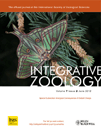
Integrative Zoology
metrics 2024
Championing Excellence in Zoological Sciences
Introduction
Integrative Zoology is a distinguished journal published by WILEY, focusing on advancing the field of zoological sciences through the integration of various biological disciplines. With both ISSN 1749-4877 and E-ISSN 1749-4869 identifiers, this journal features research that fosters a deeper understanding of animal biology, ecology, and conservation strategies. As a testament to its impact, Integrative Zoology is recognized within the Q1 category of Animal Science and Zoology in 2023, ranking an impressive #27 out of 490 journals in its field, placing it in the 94th percentile among peers. Published in the United Kingdom, this journal not only serves as a critical platform for novel research but also engages a global audience, inviting submissions that bridge theoretical and practical aspects of zoology. While not entirely open access, the journal remains committed to disseminating high-quality research that contributes substantially to scientific advancements. Through its continuous publication since 2008, Integrative Zoology aims to inspire researchers, educators, and students alike, making it a cornerstone for anyone passionate about the complexities of animal life.
Metrics 2024
 0.863.503.0044
Metrics History
Rank 2024
Scopus
IF (Web Of Science)
JCI (Web Of Science)
Quartile History
Similar Journals

AUSTRALIAN JOURNAL OF ZOOLOGY
Championing Research in Animal Science and EcologyAustralian Journal of Zoology, published by CSIRO PUBLISHING, serves as a premier platform for research in the fields of animal science and zoology, with a profound commitment to advancing our understanding of wildlife and ecosystems. Featuring an ISSN of 0004-959X and an E-ISSN of 1446-5698, this esteemed journal encompasses a wide range of topics relevant to ecology, evolution, behavior, and systematics. For the year 2023, it holds a commendable Q2 ranking in both Animal Science and Zoology and Ecology, Evolution, Behavior, and Systematics, demonstrating its significant impact within the academic community. With a rich publication history spanning from 1952 to 2024, the journal caters to researchers, professionals, and students by disseminating crucial findings and methodologies that contribute to effective conservation efforts and informed ecological practices. Although not an open access journal, it continues to foster collaboration and discussion among scholars in Australia and beyond. Located in Clayton, Victoria, the journal remains dedicated to its objective of enhancing knowledge in zoological sciences and addressing vital environmental challenges.
European Zoological Journal
Fostering Global Collaboration in Animal ResearchEuropean Zoological Journal, published by Taylor & Francis Ltd, is an esteemed open-access publication dedicated to advancing the exciting field of zoology. Since its inception in 2017, this journal has progressively established itself as a vital resource for researchers, professionals, and students alike. With its Q2 ranking in Animal Science and Zoology as of 2023, the journal ranks in the 69th percentile among its peers, showcasing its influence and contribution to the discipline. The journal’s broad scope covers a wide range of topics within zoology, aiming to foster an understanding of animal biology and conservation efforts. As an open-access journal, it not only enhances the dissemination of knowledge but also encourages collaborative research across global communities. Situated in the United Kingdom, the European Zoological Journal invites submissions that contribute to the evolving discourse in animal sciences, and endeavors to support the scientific community in addressing pressing ecological challenges.
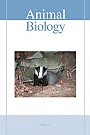
ANIMAL BIOLOGY
Exploring the Intricacies of Animal LifeANIMAL BIOLOGY is a distinguished journal published by BRILL, focusing on the dynamic fields of Animal Science and Zoology, as well as Ecology, Evolution, Behavior, and Systematics. With an ISSN of 1570-7555 and an E-ISSN of 1570-7563, this quarterly journal serves as a pivotal platform for researchers and professionals seeking to contribute to the understanding of animal biology across diverse ecological contexts. The journal is recognized with a 2023 Scopus ranking of #234 out of 490 in the Animal Science and Zoology category, placing it within the 52nd percentile, alongside a rank of #409 out of 721 in Ecology, marking a solid contribution to the field. Although it currently holds a Q3 quartile in both categories, its commitment to quality research and novel insights continues to bolster its significance within the academic community. The open access option coupled with its publication history from 2003 to 2024 ensures a wide dissemination of knowledge, drawing in a global audience of researchers, professionals, and students eager to explore the intricacies of animal biology. By promoting high-quality discussions and innovative studies, ANIMAL BIOLOGY plays an essential role in advancing the understanding of life sciences and the evolution of biodiversity.
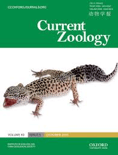
Current Zoology
Transforming Understanding of Animal LifeCurrent Zoology, published by Oxford University Press, is a leading open-access journal dedicated to advancing the field of zoology and animal science since its establishment in 2009. With an impressive Q1 ranking in Animal Science and Zoology as of 2023, the journal maintains a prominent position within the academic community, supported by a ranking of #138 out of 490 in Scopus. Current Zoology serves as a vital platform for researchers, professionals, and students, showcasing high-quality research that spans a broad array of topics within the domain of zoology. This journal is characterized by its rigorous peer-review process, ensuring the dissemination of credible and impactful findings that contribute to the understanding of animal biology and conservation efforts. The open-access model enhances accessibility, allowing a wider audience to engage with the pivotal research being conducted in this dynamic field. Processing all manuscripts in an efficient manner and featuring articles that push the boundaries of current knowledge, Current Zoology is your gateway to explore innovative discoveries and trends in zoology.

BELGIAN JOURNAL OF ZOOLOGY
Pioneering Discoveries in the World of Animal Science.The BELGIAN JOURNAL OF ZOOLOGY, published by the Royal Belgian Zoological Society, serves as a prominent platform for advancing research in the field of zoology. With an impact factor reflecting its status within the academic community, this journal rigorously publishes innovative studies and reviews, covering a broad spectrum of topics related to animal science and zoology. As an esteemed outlet, the journal ranks in the Q2 category for both Animal Science and Zoology, demonstrating its relevance and contribution to the field, as indicated by its Scopus ranking of 255 out of 490. Although it operates under a subscription model, the journal is committed to disseminating high-quality research that can shape contemporary understanding of animal biology and ecology. With a publication history dating back to 1990 and extending through 2024, researchers, professionals, and students are encouraged to engage with its rich content, which is vital for ongoing discourse and discovery within zoological sciences.
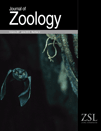
JOURNAL OF ZOOLOGY
Bridging foundational research with innovative zoological studies.JOURNAL OF ZOOLOGY, published by Wiley, stands as a premier scholarly journal in the fields of Animal Science and Zoology, renowned for its outstanding contributions to the knowledge of animal biology and ecology. With an impressive impact factor and a strong ranking in the Q1 category for Animal Science and Zoology, as well as Q2 for Ecology, Evolution, Behavior, and Systematics, the journal rigorously engages with both foundational research and groundbreaking discoveries since its inception in 1830. Located in Hoboken, New Jersey, this journal is dedicated to fostering the academic community's understanding of zoological sciences, providing access to important research that shapes wildlife conservation efforts and ecological studies. Although the journal does not currently offer open access options, it continues to attract significant attention, as evidenced by its strong Scopus rankings in related categories. Researchers, professionals, and students will find invaluable resources in the JOURNAL OF ZOOLOGY to advance their understanding of animal life and the ecological challenges it faces today.
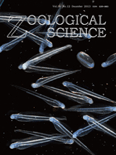
ZOOLOGICAL SCIENCE
Cultivating Knowledge for a Sustainable FutureZoological Science, published by the Zoological Society of Japan, is a leading journal dedicated to the fields of animal science and zoology. With its ISSN 0289-0003, this respected publication has established itself as a prominent source of scientific research, attaining a commendable Q2 ranking in the 2023 category of Animal Science and Zoology. Spanning over three decades, from 1992 to 2024, the journal offers a valuable platform for scholarly articles that explore various aspects of zoology, including ecology, behavior, and evolutionary biology. Although it operates under a traditional subscription model, its contributions are supported by a robust community of researchers and professionals who value its insights. The journal strives to foster academic discourse and insights that drive understanding and conservation of wildlife, making it an essential resource for students and established experts alike. The publishing headquarters located in Tokyo, Japan, further enhances its international reach and influence in zoological studies.
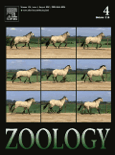
ZOOLOGY
Exploring innovative insights in zoology.ZOOLOGY, an esteemed journal published by Elsevier GmbH, stands at the forefront of research in the Animal Science and Zoology fields. With a notable impact factor and recognized as a Q1 category journal in its discipline, ZOOLOGY is highly regarded among researchers, ranking #98 out of 490 in Scopus rankings. Founded in 1994 and continuing through to 2024, the journal aims to publish cutting-edge, peer-reviewed articles that contribute significantly to the understanding of zoological sciences. Based in Munich, Germany, ZOOLOGY provides both subscription and open access options, ensuring that influential research reaches a wider audience. It serves as an essential platform for disseminating innovative findings, connecting scholars globally, and fostering interdisciplinary collaboration to advance zoological knowledge.
Frontiers in Zoology
Connecting researchers for a deeper understanding of ecosystems.Frontiers in Zoology is a premier, open-access journal published by BMC that has been a cornerstone of zoological research since its inception in 2004. With a commitment to advancing the field, this journal covers a broad spectrum of topics within Animal Science and Zoology, as well as Ecology, Evolution, Behavior, and Systematics. Recognized for its quality, it holds a distinguished Q1 ranking in both of these categories and ranks within the top percentiles in Scopus, with 87th and 78th percentiles, respectively. Based in the United Kingdom, it provides researchers, professionals, and students with innovative studies and findings that encourage interdisciplinary collaboration and exploration. The journal is dedicated to facilitating the open exchange of scientific knowledge, making it an essential resource for those seeking to stay at the forefront of zoological and ecological sciences.
JOURNAL OF AVIAN BIOLOGY
Delving deep into the fascinating realm of avian biology.Journal of Avian Biology, published by Wiley, is a leading journal in the field of animal science and zoology, with an impressive impact factor highlighting its significance in advancing our understanding of avian ecology and behavior. Since its inception in 1994, this journal has provided a vital platform for researchers, professionals, and students to share innovative studies and findings related to avian biology, contributing to a broader understanding of ecological dynamics and conservation strategies. Recognized in the Q1 category for Animal Science and Zoology and Q2 for Ecology, Evolution, Behavior and Systematics, it ranks 112th out of 490 in its primary field, demonstrating a strong percentile performance. The journal invites submissions that explore diverse aspects of avian research, fostering interdisciplinary discussions that are crucial for ongoing scientific inquiries. With both print and electronic formats, it maintains an accessible repository of knowledge for the global conservation community. Engage with the latest in avian studies through the Journal of Avian Biology and contribute to the evolution of this critical field.