
JOURNAL OF BIOMEDICAL MATERIALS RESEARCH PART A
metrics 2024
Pioneering research in biocompatible materials for medical innovation.
Introduction
JOURNAL OF BIOMEDICAL MATERIALS RESEARCH PART A, published by WILEY, is a leading journal in the field of biomaterials and biomedical engineering, showcasing cutting-edge research that bridges the gap between material science and healthcare applications. With a robust 2023 impact factor reflecting its high-quality contributions, this journal is classified in the Q2 quartile for Biomaterials, Biomedical Engineering, and Ceramics and Composites, while achieving an impressive Q1 ranking in Metals and Alloys. The journal caters to a diverse readership, including researchers, professionals, and students, aiming to facilitate innovation and advancements in biocompatible materials and their applications in medical devices and tissue engineering. Access options for readers are available, ensuring the latest studies and findings are readily accessible to all stakeholders in this dynamic field. As it progresses towards its 2024 target, the JOURNAL OF BIOMEDICAL MATERIALS RESEARCH PART A continues to be an essential resource for anyone involved in the development and application of biomedical materials.
Metrics 2024
 0.813.904.30174
Metrics History
Rank 2024
Scopus
IF (Web Of Science)
JCI (Web Of Science)
Quartile History
Similar Journals
ACS Applied Bio Materials
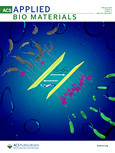
Connecting Science and Technology for Biomedical AdvancementsACS Applied Bio Materials is a leading academic journal published by the American Chemical Society, focusing on the innovative intersection of bioengineering and materials science. Since its inception in 2018, the journal has established itself as a pivotal platform for disseminating impactful research within the fields of Biochemistry, Biomaterials, Biomedical Engineering, and Chemistry, often ranked in the top tiers of these categories. With an impressive impact factor, it holds a Q2 ranking in both Biochemistry and Biomaterials, and a prestigious Q1 ranking in Biomedical Engineering and miscellaneous Chemistry, underscoring its significance in advancing knowledge and practices across these disciplines. The journal’s editorial commitment to high-quality, peer-reviewed research ensures relevance and rigor, appealing to a diverse audience of researchers, professionals, and students keen to explore breakthroughs in bio-related materials technology. The access options enhance its visibility and reach, allowing for a broader dissemination of studies that drive innovation and collaboration in biotechnology and material sciences. Located in the heart of Washington, DC, ACS Applied Bio Materials serves as a crucial resource for advancing the future of healthcare, engineering, and materials research.

ACS Biomaterials Science & Engineering
Innovating the Intersection of Science and MedicineACS Biomaterials Science & Engineering, published by the American Chemical Society, serves as a premier platform for the latest advancements and research in the fields of biomaterials and biomedical engineering. With an impressive impact factor and a strong reputation reflected in its ranking—Q2 in Biomaterials and Q1 in Biomedical Engineering—the journal attracts a diverse and engaged readership. Since its inception in 2015, it has aimed to foster innovation by publishing high-quality research articles, reviews, and perspectives on the synthesis, characterization, and application of biomaterials. Researchers and professionals benefit from the journal's rigorous peer-review process and its focus on translational science, making it essential for those looking to stay at the forefront of biomaterials research. Located in Washington, DC, USA, the journal plays a pivotal role in connecting academic and industrial sectors, ultimately driving advancements that impact biomedicine and related fields.

Tissue Engineering Part C-Methods
Pioneering Innovative Approaches in BioengineeringTissue Engineering Part C: Methods is a prestigious academic journal published by MARY ANN LIEBERT, INC, specializing in the dynamic and rapidly evolving fields of bioengineering and biomedical engineering. With an ISSN of 1937-3384 and E-ISSN 1937-3392, this journal provides a platform for the dissemination of cutting-edge research from 2008 to 2024, showcasing methodologies that advance the science of tissue engineering. Ranked in the second and third quartiles across several categories in 2023, including a notable Q2 in Biomedical Engineering, the journal is recognized for its contributions to the interface of biology and engineering. Additionally, it holds commendable Scopus ranks that highlight its influence and reach within the scientific community. Although it does not offer open access, the journal remains vital for researchers, professionals, and students seeking insightful articles that bridge the gap between theoretical research and practical application in tissues and regenerative medicine. With its rigorous peer-review process and commitment to quality, Tissue Engineering Part C: Methods continues to be an essential resource for those at the forefront of tissue engineering innovations.

International Journal of Biomaterials
Exploring the future of biomedical engineering with cutting-edge studies.The International Journal of Biomaterials, published by HINDAWI LTD, is a premier platform for disseminating groundbreaking research in the fields of biomaterials and biomedical engineering. With an Open Access approach since 2009, this journal provides unhindered access to innovative studies and applications aimed at advancing medical technologies and improving patient outcomes. Notably ranked in the Q3 category for both Biomaterials and Biomedical Engineering in 2023, it serves as an essential resource for researchers, practitioners, and students alike. The journal's Scopus rankings, including a 49th percentile in Biomedical Engineering and a 40th percentile in Biomaterials, further underscore its growing prominence in the academic community. With contributions spanning from 2011 to 2024, the journal seeks to foster collaborative research and promote developments that enhance the understanding and application of biomaterials in healthcare.

Bioactive Materials
Advancing the Frontiers of Biomaterials InnovationBioactive Materials, published by KEAI PUBLISHING LTD, stands as a leading Open Access journal in the fields of Biomaterials, Biomedical Engineering, and Biotechnology. Since its inception in 2016, this journal has rapidly ascended in prominence, currently holding a prestigious Q1 category ranking across multiple disciplines, reflecting its significant impact within the scientific community. With its E-ISSN 2452-199X, it spans a broad spectrum of research areas, contributing valuable insights to the ongoing discourse in bioactive materials and their applications. The journal's superior Scopus rankings further illustrate its influence, boasting impressive standings in engaging niches such as engineering and molecular biology. Bioactive Materials offers a vital platform for researchers, professionals, and students to disseminate and acquire cutting-edge knowledge, thus fostering innovation and collaboration in the rapidly evolving terrain of biomedicine. Its commitment to Open Access since 2016 enhances accessibility, ensuring that the burgeoning advancements in this field reach a global audience.

Materials Science & Engineering C-Materials for Biological Applications
Innovating the intersection of materials science and biology.Materials Science & Engineering C-Materials for Biological Applications is a premier journal published by ELSEVIER, dedicated to advancing the field of biomaterials through interdisciplinary research. With a robust ISSN of 0928-4931, this journal has made its mark in the realms of Chemical Engineering and Materials Science, achieving impressive Scopus rankings within its categories, namely Rank #16/151 in Bioengineering (89th percentile) and Rank #13/112 in Biomaterials (88th percentile). Although the journal's coverage in Scopus has been discontinued since 2021, it remains a critical resource for researchers, professionals, and students eager to explore innovative materials and their applications in biological contexts. The journal’s open access policy enhances its accessibility, fostering a global exchange of knowledge and inspiring future advancements in the field of materials science.
Journal of Functional Biomaterials
Unleashing Potential in Biomaterials ResearchJournal of Functional Biomaterials is a prominent peer-reviewed journal dedicated to the innovation and application of biomaterials, covering vital fields such as biomedical engineering and materials science. Published by MDPI in Switzerland, this Open Access journal has been serving the academic community since 2010, allowing unrestricted access to groundbreaking research. With an impressive Q2 ranking in both Biomaterials and Biomedical Engineering for 2023, it stands as a significant contributor to the fields it represents. Researchers will find the journal's focus on functional biomaterials particularly relevant, as it encompasses a diverse range of studies aimed at enhancing the performance and applicability of biomaterials in medical contexts. The journal's commitment to disseminating high-quality research fosters collaboration and innovation among professionals, making it an essential resource for anyone involved in this dynamic area of study.

Biomedical Materials
Shaping Tomorrow's Healthcare with Cutting-Edge Materials.Biomedical Materials, published by IOP Publishing Ltd, is a premier journal dedicated to the rapidly evolving field of biomedical engineering and materials science. With a robust impact factor showcasing its influence, this journal serves as a vital platform for disseminating pioneering research from 2006 to 2024. Covering an array of interdisciplinary topics—ranging from biomaterials to bioengineering and applied chemistry—the journal consistently ranks in the second quartile across multiple categories including Bioengineering (Q2), Biomaterials (Q2), and Biomedical Engineering (Q2) as of 2023. Researchers, professionals, and students alike benefit from its contributions, exploring innovative solutions at the intersection of biology and material science. Although not an Open Access journal, Biomedical Materials remains essential in advancing our understanding and facilitating discussions surrounding state-of-the-art materials that revolutionize medical applications and enhance patient care.

Materials Today Bio
Bridging disciplines to transform biomedical engineering practices.Materials Today Bio, published by Elsevier, is an esteemed open-access journal dedicated to advancing the fields of bioengineering, biomaterials, and biomedical engineering. Since its inception in 2019, this journal has quickly made a name for itself, currently ranked Q1 in multiple categories including Bioengineering, Biomaterials, and Biotechnology, reflecting its exceptional quality and relevance in the rapidly evolving landscape of bio-related sciences. With an impressive Scopus ranking positioning it in the top 25% of its categories, Materials Today Bio provides a vital platform for researchers and professionals to share cutting-edge discoveries and innovative applications that bridge the gap between materials science and biological studies. Accessible to a global audience, this journal not only fosters collaboration among the scientific community but also aims to highlight significant advancements in cell and molecular biology, making it an indispensable resource for students and seasoned experts alike. The journal's commitment to open access since 2019 underscores its dedication to disseminating knowledge widely, ensuring that crucial findings reach those who can benefit from them the most.

JOURNAL OF BIOMEDICAL MATERIALS RESEARCH PART B-APPLIED BIOMATERIALS
Transforming Healthcare with Cutting-edge Biomaterials ResearchJOURNAL OF BIOMEDICAL MATERIALS RESEARCH PART B-APPLIED BIOMATERIALS, published by Wiley, is a leading journal in the field of biomaterials and biomedical engineering, with an impact factor reflected in its relevant Scopus rankings—including a Q2 position in Biomedical Engineering and Q3 in Biomaterials for 2023. This journal, with ISSN 1552-4973 and E-ISSN 1552-4981, serves as a vital platform for disseminating pioneering research and innovative applications of biomaterials. Positioned in the United States, it aims to bridge the gap between material science and biological applications, fostering collaboration among researchers, professionals, and students dedicated to advancing technology in healthcare. With a convergence of studies from 2003 to 2024 and a growing focus on open access, the journal ensures greater visibility and accessibility for groundbreaking research. Join us in exploring the dynamic field of biomaterials, as we push the boundaries of science and engineering for improved patient outcomes.