
JOURNAL OF CARDIOVASCULAR ELECTROPHYSIOLOGY
Scope & Guideline
Innovating Cardiovascular Insights for Tomorrow
Introduction
Aims and Scopes
- Catheter Ablation Techniques:
Research on various catheter ablation techniques, including radiofrequency, cryoablation, and pulsed-field ablation, focusing on their efficacy, safety, and long-term outcomes in treating atrial fibrillation and other arrhythmias. - Electrophysiological Mapping:
Studies utilizing advanced mapping technologies to identify arrhythmia substrates and guide ablation procedures, including high-density mapping and non-contact mapping. - Device Therapy Innovations:
Exploration of new devices for cardiac pacing and defibrillation, including leadless pacemakers and subcutaneous implantable cardioverter defibrillators, along with their clinical outcomes. - Comorbidities and Arrhythmia Management:
Investigations into the impact of comorbid conditions, such as heart failure and diabetes, on arrhythmia management and outcomes, assessing how these factors influence treatment decisions. - Patient-Centered Research:
Focus on quality of life, patient-reported outcomes, and shared decision-making in the management of arrhythmias, highlighting the importance of patient perspectives in clinical practice. - Emerging Technologies:
Research on the application and efficacy of new technologies in electrophysiology, including artificial intelligence, machine learning, and advanced imaging techniques to improve diagnostic and therapeutic processes.
Trending and Emerging
- Pulsed-Field Ablation:
Research on pulsed-field ablation is rapidly increasing, with a focus on its safety, efficacy, and potential advantages over traditional thermal ablation techniques. - Artificial Intelligence and Machine Learning:
There is a growing trend towards utilizing AI and machine learning algorithms to enhance arrhythmia detection, mapping, and prediction of ablation outcomes, indicating a technological advancement in the field. - Remote Monitoring and Telemedicine:
The integration of telemedicine and remote patient monitoring for arrhythmia management is emerging as a significant area of research, particularly in the context of improving patient outcomes and accessibility. - Integrated Approaches to Atrial Fibrillation:
Emerging studies emphasize the importance of combining different modalities for atrial fibrillation management, such as mechanical interventions and pharmacological treatments, to optimize patient outcomes. - Esophageal Injury Prevention Techniques:
Research focused on methods to prevent esophageal injury during atrial fibrillation ablation procedures is gaining traction, reflecting increased awareness of complications associated with ablation.
Declining or Waning
- Traditional Antiarrhythmic Medications:
Research on conventional antiarrhythmic drugs has seen a decrease, likely due to the growing focus on catheter ablation and device therapies as first-line treatments for arrhythmias. - Basic Electrophysiology Studies:
There is a noted decline in studies focusing solely on basic electrophysiological properties, as more emphasis is placed on clinical applications and outcomes in complex patient populations. - Invasive Diagnostic Procedures:
The use of invasive diagnostic techniques, such as electrophysiological studies without therapeutic intervention, has decreased as non-invasive monitoring and mapping technologies gain traction. - Single-Center Studies:
There is a reduction in single-center studies as the trend shifts towards multicenter collaborations to enhance the generalizability of findings and improve the robustness of data. - Historical Comparisons:
Research that compares current practices with historical data without a specific focus on advancements or innovations has become less common, as the field moves towards more forward-looking studies.
Similar Journals
BASIC RESEARCH IN CARDIOLOGY
Shaping the future of cardiology with impactful studies.BASIC RESEARCH IN CARDIOLOGY, published by SPRINGER HEIDELBERG, is an esteemed peer-reviewed journal dedicated to advancing the field of cardiology and cardiovascular medicine since 1973. With a strong emphasis on the latest breakthroughs in basic and translational research, this journal offers a platform for high-quality, impactful studies that contribute to our understanding of cardiac function and related physiological processes. Currently ranked in the Q1 category in Cardiology and Cardiovascular Medicine, as well as Physiology and Medical Physiology, BASIC RESEARCH IN CARDIOLOGY is recognized as a leading journal within these disciplines, boasting impressive Scopus ranks that place it in the top tiers of global research output. While it does not offer open access, its contributions are pivotal for researchers, clinicians, and students seeking to stay abreast of cutting-edge discoveries and methodologies in cardiovascular science. With its commitment to scholarly excellence, this journal plays a critical role in shaping the future of cardiac research and clinical practice.

Revista de la Federacion Argentina de Cardiologia
Advancing cardiovascular knowledge for a healthier tomorrow.Revista de la Federacion Argentina de Cardiologia is a vital publication in the field of Cardiology and Cardiovascular Medicine, providing a platform for researchers and healthcare professionals to share significant findings and innovative concepts since its inception in 2012. Published by the Federacion Argentina Cardiology, this journal specifically addresses contemporary issues and advancements within cardiology, contributing to the scholarly dialogue essential for improving cardiovascular health. Despite being categorized in the Q4 quartile for 2023 and presently ranking #358 out of 387 in its field, the journal remains committed to fostering academic inquiry and disseminating valuable research for both local and global audiences. Although it is not an open-access journal, it strives to balance accessibility with rigorous academic standards, ensuring quality contributions that are critical for practitioners and students alike. The journal’s ongoing evaluation and adaptation in the ever-evolving landscape of cardiology underscore its importance in advancing cardiovascular science and practice.

World Journal of Cardiology
Elevating research, enhancing heart health.World Journal of Cardiology, published by BAISHIDENG PUBLISHING GROUP INC, stands out as a pivotal resource in the field of cardiology and cardiovascular medicine. With an ISSN of 1949-8462, this journal serves a global audience, promoting knowledge dissemination and collaboration among researchers, healthcare professionals, and students dedicated to advancing cardiovascular health. The journal demonstrates its credibility and impact in the field by achieving a respectable Q2 ranking in the 2023 category of Cardiology and Cardiovascular Medicine. Notably, it is listed in the Scopus database, ranking #189 out of 387 journals, placing it in the 51st percentile, which underscores its relevance and contribution to contemporary cardiovascular research. Although it operates under a subscription model, the journal provides diverse access options, ensuring that critical findings reach a wide audience. Through its comprehensive scope and commitment to publishing high-quality articles, the World Journal of Cardiology plays a vital role in shaping the future of cardiovascular science, making it an invaluable asset for those involved in this essential discipline.
ACTA CARDIOLOGICA
Uniting professionals through groundbreaking cardiac studies.ACTA CARDIOLOGICA is a distinguished journal published by TAYLOR & FRANCIS LTD, focusing on the dynamic fields of Cardiology and Cardiovascular Medicine. Established in 1946, the journal has maintained a significant presence in the academic community, providing a platform for cutting-edge research and clinical studies that aim to address challenges in cardiovascular health. With its Q3 rating in both Cardiology and General Medicine categories, it showcases a robust compilation of articles that reflect the evolving landscape of cardiac care. Although ACTA CARDIOLOGICA is not an Open Access journal, it continues to serve a vital role for researchers, professionals, and students dedicated to advancing knowledge in cardiovascular health. This journal, with an ISSN of 0001-5385 and E-ISSN of 1784-973X, is a critical resource for those looking to stay updated on the latest developments and practices in the specialization, contributing significantly to the field until 2024 and beyond.

Heart International
Advancing cardiovascular knowledge for a healthier tomorrow.Heart International is a prominent open-access journal dedicated to the fields of cardiology and cardiovascular medicine, published by TOUCH MEDICAL MEDIA LTD since 2006. Based in Italy, this journal serves as a vital platform for researchers, clinicians, and students, aiming to disseminate cutting-edge scientific findings and clinical insights that advance the understanding of heart health. With an ISSN of 2036-2579 and an emphasis on accessible content, Heart International ensures that valuable research is available to a wide audience, thereby contributing to the global discourse on cardiovascular issues. Although it currently holds a Q4 quartile ranking in its category and is positioned in the lower percentile for Scopus rankings, the journal is committed to improving its impact through rigorous peer review and high-quality publications. The journal covers a wide array of topics within the cardiology domain, making it an essential resource for those looking to stay abreast of the latest developments in heart research.
EUROPACE
Leading the way in cardiovascular and physiological breakthroughs.EUROPACE, published by Oxford University Press, stands at the forefront of cardiovascular and physiological research, as evidenced by its prestigious Q1 categorization in both Cardiology and Cardiovascular Medicine and Physiology (medical) for 2023. With an impressive ranking of #39 out of 387 and #14 out of 113 in the relevant Scopus categories, EUROPACE is recognized for its rigorous peer-reviewed articles that significantly contribute to advancing knowledge in heart rhythm disorders and related approaches. The journal has been operational since 1999 and will continue shaping the future of cardiovascular research until 2024, making it a vital resource for researchers, clinicians, and students alike. Through its commitment to disseminating high-quality research, EUROPACE plays a crucial role in enhancing the understanding and treatment of cardiac conditions, thereby influencing clinical practice and improving patient outcomes across the globe.

Heart Rhythm O2
Empowering the global medical community with vital knowledge.Heart Rhythm O2, published by Elsevier and indexed under ISSN 2666-5018, is a premier Open Access journal that has established itself as a vital platform for the dissemination of innovative research in Cardiology and Cardiovascular Medicine. Since its inception in 2020, this journal has rapidly gained recognition, achieving a distinguished Q1 ranking in its field as of 2023, underscoring its commitment to excellence and quality. Operating from its base in the Netherlands, Heart Rhythm O2 aims to bridge the gap between clinical practice and emerging scientific findings, fostering collaboration among researchers, healthcare professionals, and students globally. With a focus on high-impact original research, review articles, and clinical studies, the journal is dedicated to advancing our understanding of cardiac rhythm management and cardiovascular health. With open access options, it ensures that vital knowledge is freely available, facilitating the ongoing education and engagement of the medical community worldwide.
KARDIOLOGIYA
Advancing Cardiovascular Knowledge Since 1961KARDIOLOGIYA is a renowned academic journal in the field of cardiology, published by the Russian Heart Failure Society. Since its inception in 1961, this journal has been dedicated to disseminating cutting-edge research in cardiovascular medicine, contributing to the global understanding of heart-related diseases and their management. With a significant publication history that spans over six decades, KARDIOLOGIYA provides a platform for both established researchers and emerging scholars to publish their findings. Despite its current Q4 category ranking in the 2023 Cardiology and Cardiovascular Medicine category, the journal plays a crucial role in promoting regional insights and advancements in cardiology, while striving towards higher visibility and impact within the academic community. While not an open-access journal, the journal is accessible to institutions and professionals in the Russian Federation and beyond, fostering collaboration and knowledge sharing among healthcare professionals. With a Scopus rank of #259 among 387 journals, it is well-positioned to enhance discourse in the field and support the development of innovative approaches to cardiovascular care.
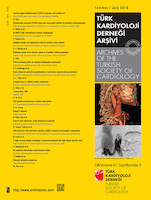
Turk Kardiyoloji Dernegi Arsivi-Archives of the Turkish Society of Cardiology
Connecting global cardiology experts for impactful discoveries.Turk Kardiyoloji Dernegi Arsivi-Archives of the Turkish Society of Cardiology is a prominent peer-reviewed journal dedicated to advancing the field of cardiology and cardiovascular medicine. Published by KARE PUBL, this journal has established itself as a key resource for researchers, healthcare professionals, and students since its inception in 1990. As an Open Access journal since 2017, it ensures that cutting-edge research and clinical findings are readily accessible to a global audience, thus fostering collaboration and knowledge sharing among the cardiology community. With its recent rank in the Q3 quartile for Cardiology and Cardiovascular Medicine in 2023, and a Scopus rank of #282 out of 387, the journal is positioned to enhance its influence in the cardiovascular field, offering valuable insights and promoting evidence-based practices. The journal covers a wide range of topics within cardiology and cardiovascular research, making it an essential platform for scholars aiming to contribute to the ongoing dialogue in this vital area of medicine. For those eager to stay updated with the latest research trends and clinical practices in cardiology, Turk Kardiyoloji Dernegi Arsivi represents a crucial resource.
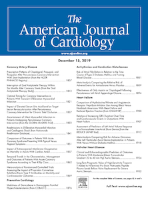
AMERICAN JOURNAL OF CARDIOLOGY
Driving Innovation in Heart Health and Clinical OutcomesThe American Journal of Cardiology is a leading peer-reviewed journal in the field of Cardiology and Cardiovascular Medicine, published by Excerpta Medica Inc-Elsevier Science Inc. Since its inception in 1958, the journal has consistently contributed to the advancement of cardiovascular research, providing a platform for groundbreaking studies and clinical findings that shape modern medical practices. With an impressive impact factor placing it in the Q1 category in its field for 2023, it ranks among the top journals in medicine, with a rank of #155 out of 387 in the Scopus database, reflecting its significance and rigorous editorial standards. The journal is committed to disseminating high-quality research that fosters innovation and enhances clinical outcomes in cardiology. Although it does not provide Open Access options, the American Journal of Cardiology remains an essential resource for researchers, healthcare professionals, and students looking to deepen their understanding of cardiovascular health.