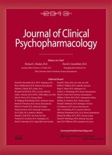
JOURNAL OF CLINICAL PSYCHOPHARMACOLOGY
Scope & Guideline
Exploring the Nexus of Pharmacology and Psychiatry for Enhanced Patient Care
Introduction
Aims and Scopes
- Clinical Efficacy of Psychotropic Medications:
The journal extensively covers the clinical efficacy of various psychotropic medications, including antipsychotics, antidepressants, and mood stabilizers, with a focus on their therapeutic effects in diverse populations. - Case Reports and Clinical Observations:
A significant portion of the journal is dedicated to case reports that highlight unique clinical experiences, treatment responses, and adverse effects, thereby enriching the medical community's understanding of psychopharmacological practices. - Pharmacogenomics and Personalized Medicine:
Research articles often explore pharmacogenomic factors influencing medication response, aiming to personalize treatment strategies based on individual genetic profiles and metabolic pathways. - Emerging Therapies and Innovations:
The journal actively publishes studies on novel pharmacological agents and treatment modalities, including the use of psychedelic substances and new psychotropic medications, to address treatment-resistant conditions. - Adverse Effects and Safety Monitoring:
Safety and efficacy studies are prevalent, particularly regarding the long-term effects and adverse drug reactions associated with psychotropic medications, emphasizing the importance of monitoring and managing side effects.
Trending and Emerging
- Rapid-acting Antidepressants:
The increasing focus on rapid-acting antidepressants, such as ketamine and esketamine, highlights the urgency in treating severe depression, particularly in cases of treatment resistance. - Pharmacogenomics:
There is a burgeoning interest in pharmacogenomics, with studies examining how genetic variations affect medication efficacy and safety, paving the way for personalized treatment plans. - Psychedelic-Assisted Therapies:
Research into the therapeutic potential of psychedelics is gaining traction, with studies exploring their efficacy in treating various psychiatric disorders, reflecting a paradigm shift in psychopharmacological approaches. - Polypharmacy and Medication Management:
A growing body of research addresses the complexities of polypharmacy in psychiatric patients, focusing on strategies to optimize medication regimens and minimize adverse interactions. - Long-acting Injectable Antipsychotics:
The journal is increasingly publishing studies on long-acting injectable formulations, emphasizing their role in improving adherence and treatment outcomes in patients with schizophrenia and other severe mental illnesses.
Declining or Waning
- Traditional Antidepressant Use:
There has been a noticeable decline in articles focusing solely on traditional antidepressants, as newer agents and treatments, such as ketamine and other rapid-acting antidepressants, gain prominence in clinical discussions. - Monoamine Oxidase Inhibitors (MAOIs):
Research and clinical focus on MAOIs has diminished, likely due to the availability of newer antidepressants with better safety profiles and fewer dietary restrictions. - Longitudinal Studies on Established Medications:
The journal has published fewer longitudinal studies examining the long-term effects of established medications like SSRIs and older antipsychotics, possibly due to a shift towards more immediate treatment outcomes and novel therapies. - Pharmacotherapy for Non-Psychiatric Conditions:
There is less emphasis on the use of psychotropic medications for non-psychiatric conditions, as the journal increasingly prioritizes research directly related to psychiatric disorders. - Generalized Anxiety Disorder (GAD) Treatment:
Coverage of treatment approaches specifically for generalized anxiety disorder appears to be waning, as broader categories of anxiety and mood disorders become more prominent.
Similar Journals
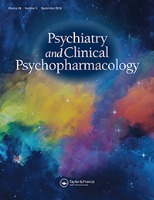
Psychiatry and Clinical Psychopharmacology
Empowering Professionals with Cutting-edge ResearchPsychiatry and Clinical Psychopharmacology, an open-access journal published by AVES since 2017, is dedicated to advancing the fields of psychiatric medicine and psychopharmacology. With an ISSN of 2475-0573 and an E-ISSN of 2475-0581, this journal aims to provide a platform for disseminating innovative research and clinical findings relevant to mental health professionals and researchers. Although it currently holds a Q3 ranking in Pharmacology (medical) and a Q4 ranking in Psychiatry and Mental Health according to the 2023 category quartiles, the journal has established itself as a significant contributor to evolving discussions in these critical fields. Based in the United Kingdom, the journal encompasses diverse topics, ranging from pharmacological treatments to novel therapeutic approaches in psychiatry, thereby appealing to a broad audience of clinicians, scientists, and students. The open-access model ensures that all research is readily available, fostering an environment of collaboration and knowledge-sharing as the journal converges until 2024 to encompass the latest advancements in both pharmacology and clinical psychopharmacology.
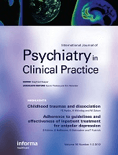
INTERNATIONAL JOURNAL OF PSYCHIATRY IN CLINICAL PRACTICE
Bridging research and clinical excellence in mental health.INTERNATIONAL JOURNAL OF PSYCHIATRY IN CLINICAL PRACTICE is a distinguished publication in the field of Psychiatry and Mental Health, published by TAYLOR & FRANCIS LTD in the United Kingdom. With an impressive 2023 impact factor that places it in the Q2 category among its peers, this journal is an essential resource for researchers, clinicians, and students dedicated to advancing mental health practices and understanding psychiatric disorders. Covering topics from clinical studies to innovative treatment methodologies, the journal welcomes original research, reviews, and case studies that contribute valuable insights into clinical practice. Accessible without any open access restrictions, the journal has been a pivotal platform since its inception in 1997, facilitating knowledge exchange in the field up to 2024. As evidenced by its notable Scopus ranking within the top 73rd percentile of Psychiatry and Mental Health, it remains committed to impacting clinical practices significantly.
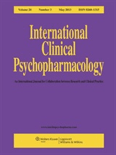
INTERNATIONAL CLINICAL PSYCHOPHARMACOLOGY
Transforming Mental Health Through Rigorous ResearchINTERNATIONAL CLINICAL PSYCHOPHARMACOLOGY, published by Lippincott Williams & Wilkins, stands as a pivotal peer-reviewed journal in the fields of pharmacology and psychiatry. Established in 1986, it has garnered a prominent reputation with a 2023 impact factor placing it in the Q2 category for both Pharmacology and Psychiatry and Mental Health. With an impressive Scopus ranking of #227 in the Psychiatry and Mental Health category and #114 in Pharmacology, it serves as an essential platform for researchers seeking to disseminate critical findings on psychopharmacological interventions and their clinical efficacy. The journal’s rigorous peer-review process ensures that only high-quality research is published, making it a trusted resource for professionals and students alike. By focusing on the latest advancements and evidence-based practices, the INTERNATIONAL CLINICAL PSYCHOPHARMACOLOGY contributes significantly to the understanding of mental health treatments, fostering ongoing dialogue and innovation in the discipline.
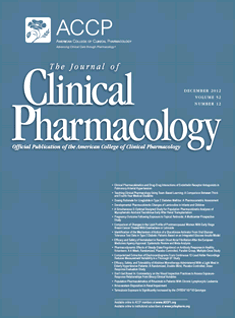
JOURNAL OF CLINICAL PHARMACOLOGY
Pioneering Knowledge in Medical PharmacologyWelcome to the Journal of Clinical Pharmacology, an esteemed publication in the field of pharmacology and medical pharmacology, published by Wiley. Since its inception in 1973, this journal has been at the forefront of disseminating innovative research findings and comprehensive reviews that enhance our understanding of drug therapies and their clinical applications. With an impact factor that reflects its strong reputation and a Scopus ranking placing it in the 64th percentile among 272 journals in medical pharmacology, the journal stands as a critical resource for researchers, healthcare professionals, and students alike. Although currently not an Open Access journal, it provides invaluable insights into therapeutic drug use and safety, the pharmacokinetics of drugs, and the development of new therapeutic strategies. The journal's commitment to advancing the field through high-quality, peer-reviewed articles ensures it remains a vital asset in the continuously evolving landscape of clinical pharmacology.
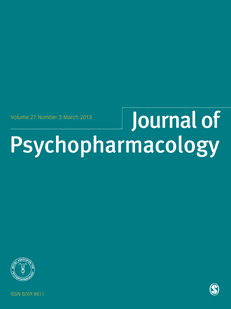
JOURNAL OF PSYCHOPHARMACOLOGY
Advancing the Science of Mental Health MedicationJOURNAL OF PSYCHOPHARMACOLOGY, published by SAGE Publications Ltd, is a leading peer-reviewed journal that explores the intricate dynamics of pharmacological interventions in mental health and psychiatry. With an ISSN of 0269-8811 and an E-ISSN of 1461-7285, this esteemed journal has established its reputation in the field since its inception in 1987, converging research excellence into 2024. Recognized as a Q1 journal in various categories including Medicine (miscellaneous), Pharmacology, and Psychiatry and Mental Health, it ranks impressively within the top percentile in Scopus, standing at #64 out of 567 in Psychiatry and Mental Health, and #31 out of 272 in Medical Pharmacology. The journal serves as a vital resource for researchers, professionals, and students, providing insightful articles that advance the understanding of psychopharmacological effects and innovations. Although it does not offer open access, the journal's extensive research and impactful findings make it essential reading for anyone engaged in the field. For those seeking to stay at the forefront of psychopharmacology, the JOURNAL OF PSYCHOPHARMACOLOGY is an invaluable asset.
BEHAVIOURAL PHARMACOLOGY
Unraveling the Science of Behavior and DrugsBehavioural Pharmacology is a distinguished academic journal published by Lippincott Williams & Wilkins, focusing on the intricate relationship between pharmacology, psychiatry, and behavioral science. With an ISSN of 0955-8810 and an E-ISSN of 1473-5849, this journal serves as a vital platform for researchers and professionals dedicated to exploring the pharmacological mechanisms underlying behavior and mental health. Operating with a robust track record since its inception in 1992, it has established itself in the academic community, as reflected by its Q3 rankings in both the pharmacology and psychiatry categories for 2023. Additionally, the journal holds a credible position in Scopus rankings, with a percentile ranking indicative of significant contributions to the fields of pharmacology and psychiatry. Aimed at advancing knowledge and disseminating research in the behavioral pharmacology domain, this journal is an essential resource for students, researchers, and clinical professionals seeking to stay at the forefront of this rapidly evolving field. While it is not an open access journal, the rich content and research findings published here continue to foster collaboration and innovation within the community, making it a crucial reference point for current and future studies.
CNS DRUGS
Leading the Charge in Neuroscience InnovationCNS DRUGS is a leading journal dedicated to the field of neuroscience, specifically focused on the advancement of pharmacological therapies for central nervous system disorders. Published by ADIS INT LTD, this esteemed journal has maintained a strong impact within its domain, achieving Q1 rankings in 2023 across multiple categories, including Neurology (clinical), Pharmacology (medical), and Psychiatry and Mental Health. With an impressive Scopus ranking as the 11th of 272 in medical pharmacology and high percentiles in psychiatry and neurology, it fosters high-quality research publication and dissemination. Spanning over two decades from 1994 to 2024, CNS DRUGS serves as a vital resource for researchers, professionals, and students alike, providing comprehensive insights that drive innovation in clinical practices. Although primarily a subscription-based journal, the richness of its content makes it an essential addition to any institution's library. Striving to bridge the gap between scientific research and clinical application, CNS DRUGS is positioned at the forefront of neurological and psychiatric pharmacotherapy research.
Expert Review of Clinical Pharmacology
Empowering clinicians with the latest in pharmacological advancements.Expert Review of Clinical Pharmacology, published by TAYLOR & FRANCIS LTD, is a leading peer-reviewed journal dedicated to the field of clinical pharmacology, with a strong focus on the development and application of pharmacological therapies in patient care. Boasting an impressive impact, the journal ranks in the first quartile across multiple categories including Medicine (miscellaneous), Pharmacology (medical), and Pharmacology, Toxicology and Pharmaceutics (miscellaneous), reflecting its influential position within the scientific community. With a Scopus ranking of #6 in General Pharmacology, Toxicology and Pharmaceutics, the journal also achieves a commendable 93rd percentile, further emphasizing its importance as a resource for researchers and clinicians alike. As it continues to publish innovative reviews and research articles from 2008 until 2024, the Expert Review of Clinical Pharmacology plays an essential role in advancing knowledge, improving clinical practice, and fostering collaboration among experts in pharmacology, thereby driving forward the field's evolution towards better patient outcomes.
AMERICAN JOURNAL OF THERAPEUTICS
Navigating the Frontiers of Therapeutic InnovationsThe American Journal of Therapeutics is a prominent academic journal published by Lippincott Williams & Wilkins, specializing in the fields of medicine and pharmacology. With a rich history originating from 1960 and a commitment to advancing therapeutic knowledge through peer-reviewed research, this journal serves as a vital resource for professionals, researchers, and students alike. Its strong impact factor, alongside its classification in the Q2 and Q3 quartiles for diverse categories in medicine and pharmacology, underscores its significance in the academic community. The journal engages with the latest findings and innovations in therapeutic approaches, offering a platform for discussion and dissemination of research that addresses critical healthcare challenges. Although it operates under a traditional subscription model, the journal aims to foster open discourse within the therapeutic landscape, making it essential reading for those dedicated to enhancing patient care and pharmaceutical practices.
Therapeutic Advances in Psychopharmacology
Fostering Collaboration for a Healthier MindTherapeutic Advances in Psychopharmacology is a leading open-access journal published by SAGE Publications Ltd, focusing on the dynamic integration of pharmacological therapies and psychological health. Since its inception in 2011, this journal has made a significant impact on the fields of pharmacology and psychiatry, consistently earning a Q1 ranking in both categories as of 2023, reflecting its esteemed position within the scientific community. With an impressive Scopus rank placing it in the top 15% across relevant disciplines, the journal serves as a vital platform for researchers, professionals, and students eager to explore cutting-edge advancements in psychopharmacology. The open-access model, established in 2019, ensures that groundbreaking research is accessible to a wide audience, fostering collaboration and innovation in therapeutic strategies for mental health disorders. Through the dissemination of high-quality research and reviews, Therapeutic Advances in Psychopharmacology is committed to advancing understanding and practice within this critical field.