
Journal of Composites Science
metrics 2024
Fostering Collaboration in the World of Materials Science
Introduction
The Journal of Composites Science, published by MDPI, is a premier Open Access journal dedicated to advancing the field of composites and materials science. Launched in 2017, this innovative journal provides a platform for researchers, professionals, and students to share findings, methodologies, and insights related to composites, ceramics, and engineering applications. With an impressive Q2 ranking in both the Ceramics and Composites and Engineering (miscellaneous) categories for 2023, the journal is well-positioned within the academic community, ranking 48th out of 204 in miscellaneous engineering and 47th out of 127 in ceramics and composites according to Scopus. The journal's open-access model ensures that high-quality research is widely available to the scientific community, fostering collaboration and innovation. Situated in defensive Switzerland at ST ALBAN-ANLAGE 66, CH-4052 BASEL, the Journal of Composites Science is an essential resource for those seeking to stay at the forefront of the composites domain and drive progress in engineering practices.
Metrics 2024
 0.583.003.3038
Metrics History
Rank 2024
Scopus
IF (Web Of Science)
JCI (Web Of Science)
Quartile History
Similar Journals
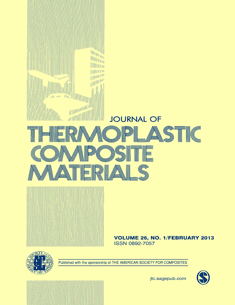
JOURNAL OF THERMOPLASTIC COMPOSITE MATERIALS
Connecting Research and Application in Thermoplastic CompositesJOURNAL OF THERMOPLASTIC COMPOSITE MATERIALS, published by SAGE PUBLICATIONS LTD, is a cutting-edge journal dedicated to advancing the field of thermoplastic composites and their applications within ceramics and condensed matter physics. With an ISSN of 0892-7057 and an E-ISSN of 1530-7980, the journal boasts a strong academic reputation evidenced by its impressive impact factor as well as its classification in the 2023 Q2 category for both Ceramics and Composites and Condensed Matter Physics. Ranked #60 in Condensed Matter Physics and #26 in Materials Science by Scopus, the journal plays a pivotal role in disseminating innovative research findings, trends, and advancements to a global audience. Spanning research from 1988 to 2024, it serves as an essential resource for researchers, professionals, and students alike, fostering collaboration and promoting knowledge in the ever-evolving landscape of thermoplastic composite materials. Although currently not open access, the comprehensive content and critical insights provided by this journal are invaluable for those engaged in cutting-edge research and practical applications in these fields.

JOURNAL OF CERAMIC PROCESSING RESEARCH
Transforming Ideas into Advanced Ceramic SolutionsJOURNAL OF CERAMIC PROCESSING RESEARCH, published by the Korean Association for Crystal Growth, Inc., serves as a vital source of scholarly communication in the field of ceramics and composites. With an ISSN of 1229-9162, this well-regarded journal aims to advance knowledge through rigorous research and publication of innovative studies that push the boundaries of ceramic processing technologies. Indexed in Scopus and boasting a 2023 Q3 ranking in the ceramics category, it provides a platform for researchers to disseminate their findings and engage with emerging trends in material science. The journal reflects a commitment to contributing to the scientific community, emphasizing the importance of interdisciplinary collaboration and advancements in fabrication techniques. Although it operates under a traditional access model, the journal is a beacon for researchers, professionals, and students, inviting them to explore breakthroughs from the years 2000 through 2024 and beyond.

Composites Research
Exploring the Frontiers of Composite TechnologyComposites Research is an esteemed academic journal dedicated to advancing the field of composite materials, published by the Korean Society of Composite Materials. With a focus on innovative research and development, this journal serves as a vital platform for researchers, professionals, and scholars in the field, promoting high-quality papers that discuss both theoretical and practical aspects of composite materials. Although it operates under a traditional access model, the journal remains committed to disseminating essential knowledge and cutting-edge findings relevant to the latest trends and technological advancements in composites. The ISSN 2288-2103 and E-ISSN 2288-2111 ensure the widespread visibility and accessibility of published works. The journal is strategically positioned to contribute to the growing body of knowledge in composite research, enabling the exchange of ideas and collaboration among a global audience.

AIMS Materials Science
Bridging Theory and Application in Materials ScienceAIMS Materials Science is an esteemed open-access journal dedicated to advancing the field of materials science. Published by the American Institute of Mathematical Sciences (AIMS), this journal has been a vital resource for researchers, professionals, and students since its inception in 2014. With an ISSN of 2372-0468 and an E-ISSN of 2372-0484, it focuses on disseminating high-quality research in materials science, ranging from general materials science to cutting-edge advancements in innovative materials applications. Currently ranked Q3 in the 2023 Scopus Materials Science (miscellaneous) category, with a ranking of 253/463, AIMS Materials Science strives to provide an open forum for scholarly dialogue and collaboration, ensuring valuable insights are accessible to the global scientific community. The journal's commitment to open access enhances its visibility and reach, further promoting impactful research in this dynamic field.
Advanced Composites and Hybrid Materials
Innovating the Future of Materials ScienceAdvanced Composites and Hybrid Materials, published by SPRINGER NATURE, is a premier journal dedicated to the field of materials science, with a keen focus on innovative composite materials and their applications. With its ISSN 2522-0128 and E-ISSN 2522-0136, the journal has established itself as a cornerstone for researchers and professionals in materials chemistry, ceramics, and polymers, achieving an impressive Q1 ranking across multiple categories in 2023. In particular, it ranks #3 out of 161 in Polymers and Plastics and #4 out of 127 in Ceramics and Composites, highlighting its influential presence within the academic community. The journal aims to provide a cutting-edge platform for the dissemination of groundbreaking research and developments from 2018 to 2024, facilitating knowledge sharing and collaboration among experts. While currently adopting a traditional access model, the significance and impact of research published in this journal cannot be overstated, making it an essential resource for anyone interested in advancing the field of composite materials.

COMPOSITES PART A-APPLIED SCIENCE AND MANUFACTURING
Exploring New Horizons in Composites ScienceCOMPOSITES PART A-APPLIED SCIENCE AND MANUFACTURING, published by Elsevier Science Ltd, is a premier international journal that serves as a vital platform for the dissemination of high-impact research and innovation in the fields of composite materials and manufacturing technologies. With an impact factor that reflects its outstanding reputation, this journal is categorized in the Q1 quartile for both Ceramics and Composites and Mechanics of Materials, positioning it among the top journals in these disciplines. It holds impressive ranks in Scopus, specifically Rank #16 out of 398 in Engineering - Mechanics of Materials and Rank #10 out of 127 in Materials Science - Ceramics and Composites, reinforcing its authoritative stance in the field. Spanning from 1996 to 2024, the journal features a wide array of research articles, reviews, and case studies that collectively enhance understanding and foster advancements in composite materials. With an open access model facilitating wide dissemination, COMPOSITES PART A is indispensable for researchers, professionals, and students striving to push the boundaries of materials science and engineering.

Composites Part C: Open Access
Pioneering Research in Materials ScienceComposites Part C: Open Access, an esteemed journal published by Elsevier, is at the forefront of research in the fields of Ceramics and Composites, Mechanical Engineering, and Mechanics of Materials. Launched in 2020, this fully open-access journal facilitates unparalleled access to significant advancements in composite materials, ensuring that research findings are disseminated widely and freely throughout the global academic community. With an impressive Q1 ranking across multiple related categories and robust placements in Scopus rankings, specifically #78 in Mechanical Engineering and #24 in Materials Science, the journal serves as a vital platform for researchers, professionals, and students to publish their work and engage with cutting-edge studies. It aims to foster innovation and collaboration in the development and application of composite materials and their technologies, making it an indispensable resource for anyone invested in these dynamic fields.

Functional Composites and Structures
Unleashing the Potential of Advanced Materials.Functional Composites and Structures is a prestigious academic journal published by IOP Publishing Ltd, dedicated to advancing the field of materials science with a focus on innovative composite materials and their structural applications. Established in 2019 and running through 2024, this journal uniquely bridges several disciplines, consistently ranking in the Q2 quartile across key categories including Ceramics and Composites, Electronic, Optical and Magnetic Materials, and Mechanics of Materials. With a commendable Scopus rank that places it within the top tiers of its field, the journal is instrumental for researchers, engineers, and scholars seeking to explore the latest developments in material properties, functionality, and applications. Although access options are not specified, the open-access nature of the journal promotes wider dissemination and engagement with cutting-edge research. As the demand for smarter, more efficient materials continues to grow, Functional Composites and Structures serves as a vital resource for fostering collaboration and driving innovation in material sciences.

Elastomers and Composites
Driving Progress in Elastomers and Composite TechnologiesElastomers and Composites is a leading academic journal dedicated to the advancement of knowledge in the fields of polymer science and materials engineering, specifically focusing on elastomers and composite materials. Published by RUBBER SOC KOREA, this journal serves as a vital platform for researchers and professionals to disseminate innovative research findings and insights in material properties, applications, and synthesis techniques. Although it currently does not offer open access, the journal provides rigorous peer-reviewed content that enhances the global dialogue on elastomeric materials and their composites, reflecting its commitment to high-quality scholarship. With a strong emphasis on practical relevance and theoretical advancements, Elastomers and Composites aspires to reshape industry practices and academic thought, making it an invaluable resource for students, researchers, and practitioners alike. Positioned strategically within its field, this journal fosters collaboration and dialogue among scientific communities, all while supporting the growth of cutting-edge research programs worldwide.
JOURNAL OF ENGINEERING MATERIALS AND TECHNOLOGY-TRANSACTIONS OF THE ASME
Advancing the frontier of engineering materials and technology.JOURNAL OF ENGINEERING MATERIALS AND TECHNOLOGY-TRANSACTIONS OF THE ASME is a premier journal published by the American Society of Mechanical Engineers (ASME), dedicated to advancing the field of engineering materials and technology. With an ISSN of 0094-4289 and E-ISSN 1528-8889, this journal has provided invaluable insights since its inception in 1973. Operating from its headquarters in New York, United States, it serves a global audience of researchers, professionals, and students alike. The journal is recognized for its rigorous peer-review process and its commitment to disseminating high-quality research, currently holding a Q3 quartile ranking across multiple categories including Condensed Matter Physics, Materials Science, Mechanical Engineering, and Mechanics of Materials. With a focus on exploring innovative materials and their applications, it aims to foster collaboration and discovery in the engineering community. Although it is not an open-access journal, it continues to play a vital role in shaping the future of engineering materials research up to 2024. Researchers and practitioners will find in this journal a significant platform to support the development and understanding of engineering materials, making contributions that resonate through academia and industry.