
Journal of Diabetes and Metabolic Disorders
Scope & Guideline
Unlocking Insights into Metabolic Health
Introduction
Aims and Scopes
- Diabetes Pathophysiology:
Research exploring the underlying biological mechanisms of diabetes, including genetic, metabolic, and environmental factors. - Clinical Management and Treatment Strategies:
Studies focusing on the efficacy and safety of various treatment modalities for diabetes, including pharmacological interventions, lifestyle modifications, and emerging therapies. - Epidemiology and Public Health:
Investigations into the prevalence, risk factors, and impact of diabetes and metabolic disorders on populations, highlighting the need for public health strategies. - Innovative Technologies in Diabetes Care:
Research on the development and application of new technologies such as continuous glucose monitoring, telemedicine, and artificial intelligence in managing diabetes. - Complications of Diabetes:
Studies examining the long-term complications associated with diabetes, such as cardiovascular disease, neuropathy, nephropathy, and retinopathy. - Nutritional Science and Diet Therapy:
Research on the role of diet and nutrition in the prevention and management of diabetes, including dietary patterns, supplements, and functional foods. - Psychosocial Aspects of Diabetes:
Exploration of the psychological and social factors affecting diabetes management, including patient education, adherence to treatment, and quality of life.
Trending and Emerging
- Artificial Intelligence and Machine Learning:
An increasing number of studies are applying AI and machine learning techniques to predict diabetes risk, optimize treatment plans, and analyze large datasets for better patient outcomes. - Telemedicine and Remote Monitoring:
Research on telemedicine solutions for diabetes management has surged, particularly in response to the COVID-19 pandemic, illustrating the growing importance of remote healthcare delivery. - Nutritional Interventions and Lifestyle Modifications:
A trend towards investigating the impacts of various dietary patterns and lifestyle changes on diabetes management is evident, emphasizing personalized nutrition. - Psychosocial Interventions:
There is a growing focus on the integration of psychological support and social determinants of health in diabetes care, highlighting the importance of mental health in managing chronic conditions. - Gut Microbiome Research:
An emerging area of interest is the relationship between gut microbiota and metabolic health, with studies exploring how microbiome composition affects diabetes risk and management. - Genomic and Pharmacogenetic Studies:
Research exploring the genetic basis of diabetes and how genetic variations influence treatment responses is gaining traction, reflecting a shift towards personalized medicine.
Declining or Waning
- Basic Science Studies:
There seems to be a decline in purely basic science studies focusing on cellular or molecular mechanisms of diabetes, as recent publications have emphasized clinical and translational research. - Traditional Herbal Remedies:
Interest in traditional herbal remedies for diabetes management appears to be waning, with fewer studies being published compared to previous years. - Historical Epidemiological Studies:
There is a noticeable reduction in studies focused on historical epidemiological data, as the journal shifts towards contemporary and actionable research.
Similar Journals

Journal of Diabetology
Transforming the landscape of diabetes understanding.The Journal of Diabetology, published by Wolters Kluwer Medknow Publications, is a premier platform dedicated to advancing the understanding and management of diabetes and related metabolic disorders. Since its inception in 2010, this Open Access journal has provided researchers and healthcare professionals with a wealth of knowledge through rigorous peer-reviewed articles that cover clinical research, epidemiology, and innovative treatment strategies. With an E-ISSN of 2078-7685 and a commitment to disseminating high-quality scientific work, the journal plays a pivotal role in contributing to the global discourse on diabetes care and prevention. Its dedication to accessibility enhances its impact on both established scholars and emerging researchers seeking to make meaningful contributions in the field. By fostering a collaborative environment, the Journal of Diabetology aims to bridge the gap between research and practical implementation, ultimately improving outcomes for individuals affected by diabetes.
Revista Portuguesa de Endocrinologia Diabetes e Metabolismo
Empowering professionals in diabetes and metabolism.Revista Portuguesa de Endocrinologia Diabetes e Metabolismo is a pivotal journal dedicated to advancing the fields of endocrinology, diabetes, and metabolism. Published by the esteemed SOC PORTUGUESA ENDOCRINOLOGIA, DIABETES & METABOLISMO-SPEDM, this journal serves as a platform for the dissemination of high-quality research, clinical studies, and innovative practices within these related disciplines. With a commitment to providing insightful and impactful content, the journal aims to foster knowledge sharing among researchers, healthcare professionals, and students interested in the latest developments in endocrine disorders and metabolic diseases. Although currently not open access, the journal's comprehensive approach and rigorous peer-review process ensure that it remains a respected source of information for its readers in Portugal and beyond. With its address rooted in the heart of Lisbon, the Revista Portuguesa de Endocrinologia Diabetes e Metabolismo plays a vital role in enhancing the understanding and treatment of endocrine and metabolic conditions in the modern healthcare landscape.
DIABETOLOGIA
Fostering innovation in the field of endocrinology and diabetes.DIABETOLOGIA is a leading journal in the field of endocrinology and diabetes research, published by Springer since its inception in 1965. With an impactful presence in both Internal Medicine and Endocrinology, Diabetes and Metabolism, it is recognized in the Q1 quartile rankings for 2023, underscoring its significance and contribution to these disciplines. The journal holds impressive Scopus rankings, placing it in the top 5% of journals in its categories, making it an essential resource for researchers, healthcare professionals, and students dedicated to advancing knowledge and practices in diabetes care and management. DIABETOLOGIA publishes a range of peer-reviewed articles, original research, and reviews that address the latest scientific developments, clinical practices, and therapeutic innovations, contributing to the global discourse on diabetes and its related health implications. Although it does not offer Open Access options, its rigorous selection process guarantees the quality and relevance of the content, solidifying its position as a reliable reference for contemporary research. For those looking to stay at the forefront of diabetes science, DIABETOLOGIA is a vital communique in the ever-evolving landscape of medical research.
DIABETES
Leading the charge in diabetes research excellence.DIABETES, published by the American Diabetes Association, is a premier journal in the field of endocrinology, diabetes, and metabolism, renowned for its rigorous peer-reviewed research since its inception in 1952. With an impressive impact factor and classified in the Q1 category for both Endocrinology, Diabetes and Metabolism and Internal Medicine as of 2023, it holds a prestigious position within the scholarly community, ranked 17th out of 244 in its specialization. The journal's objective is to disseminate cutting-edge research and advance scientific understanding to ultimately improve diabetes patient care and management. While it does not offer open access options, the journal remains a vital resource for researchers, professionals, and students involved in diabetes-related studies. The ongoing dedication to excellence by the authors, reviewers, and editors ensures that DIABETES continues to be a pivotal platform for innovation and knowledge in the fight against diabetes.
DIABETES CARE
Connecting research and practice in diabetes care.DIABETES CARE, published by the American Diabetes Association, is a premier journal dedicated to advancing the understanding and management of diabetes and related metabolic disorders. Since its inception in 1978, this journal has maintained a commitment to disseminating high-quality research, evidenced by its prestigious ranking in the Q1 category across multiple fields including Advanced and Specialized Nursing, Endocrinology, Diabetes and Metabolism, and Internal Medicine. With an impressive impact factor and distinguished Scopus rankings, DIABETES CARE serves as an essential resource for researchers, clinicians, and students alike, facilitating the exchange of knowledge and fostering innovation in diabetes care. Although not an open-access publication, the journal offers various ways to access groundbreaking studies and advancements in the field. This commitment to excellence reflects the journal's vital role in shaping diabetes research and clinical practices globally.
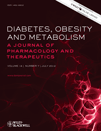
DIABETES OBESITY & METABOLISM
Delivering cutting-edge research for a healthier future.DIABETES OBESITY & METABOLISM, published by Wiley, is a premier international journal dedicated to the fields of endocrinology, diabetes, and metabolic disorders. With an impressive impact factor and its status as a Q1 journal in multiple categories—including Endocrinology and Internal Medicine—this publication is highly regarded in the academic community. Since its inception in 1999, the journal has served as a crucial platform for the dissemination of cutting-edge research, reviews, and clinical studies, driving advancements in understanding and treatment of diabetes and obesity. Researchers and professionals alike benefit from its rigorous peer-review process and extensive reach, as it aims to bridge the gap between laboratory findings and clinical applications. Although not an Open Access journal, articles are accessible through institutional subscriptions, ensuring that vital knowledge reaches those committed to enhancing patient care and expanding the scientific body of work in these pivotal areas.
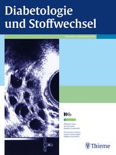
Diabetologie und Stoffwechsel
Advancing the Science of Metabolism and Diabetes CareDiabetologie und Stoffwechsel is a prominent academic journal specializing in the fields of endocrinology, diabetes, and metabolism, published by GEORG THIEME VERLAG KG. Since its inception in 2006, this German journal has strived to disseminate cutting-edge research and innovative findings that advance the understanding of metabolic disorders and the management of diabetes. With an ISSN of 1861-9002 and an E-ISSN of 1861-9010, it caters to a diverse audience ranging from researchers to healthcare professionals and students in the medical field. While it currently holds a Q4 ranking in the 2023 Scopus quartiles for its area, the journal serves as a critical platform for emerging insights and discussions impacting diabetes care and research, fostering collaboration and knowledge-sharing in a rapidly evolving landscape. The convergence of its coverage until 2024 signifies a commitment to ongoing exploration into the complexities of metabolic health, making it a valuable resource for anyone passionate about these vital areas of health.
ACTA DIABETOLOGICA
Advancing Knowledge in Diabetes and MetabolismACTA DIABETOLOGICA, published by SPRINGER-VERLAG ITALIA SRL, is a distinguished peer-reviewed journal dedicated to the rapidly evolving fields of endocrinology, diabetes, and metabolism. With an impressive convergence of research from 1991 to 2024, it is recognized for its significant contributions, boasting a Q1 ranking in Internal Medicine and Q2 rankings in Endocrinology categories as of 2023. Its Scopus rankings further highlight its impact, placing it in the 81st percentile in Internal Medicine. The journal serves as a vital platform for professionals and researchers, facilitating the dissemination of innovative findings and fostering a comprehensive understanding of metabolic disorders. Although the journal is not open access, it remains an essential resource, ensuring high visibility and accessibility of critical research to its scholarly audience.

Journal of the ASEAN Federation of Endocrine Societies
Advancing Endocrinology: Bridging Knowledge Across ASEANWelcome to the Journal of the ASEAN Federation of Endocrine Societies, a pioneering publication dedicated to advancing knowledge and research in the fields of Endocrinology, Diabetes, and Metabolism. Established by the ASEAN Federation Endocrine Society and open access since 2011, this journal enhances the dissemination of critical findings and encourages collaboration among professionals and researchers across Southeast Asia and beyond. With an ISSN of 0857-1074 and E-ISSN of 2308-118X, the journal is indexed within Quartile 4 in the 2023 rankings of its categories, reflecting its commitment to providing a platform for scholarly work despite its emerging status. Situated in the Philippines, the journal focuses on the latest trends, treatments, and innovative research approaches in endocrinology, making it an essential resource for academics, clinicians, and students alike. We invite you to explore our content and contribute to advancing the endocrine sciences.
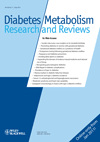
DIABETES-METABOLISM RESEARCH AND REVIEWS
Exploring Innovations in Diabetes ManagementDIABETES-METABOLISM RESEARCH AND REVIEWS, published by WILEY, is an esteemed academic journal focusing on the forefront of research in the fields of endocrinology, diabetes, and metabolism. Since its inception in 1999, this journal has become a crucial resource for researchers, professionals, and students, boasting an impressive impact factor that reflects its high citation rates and contribution to the field. With a 2023 classification of Q1 in several categories including Endocrinology and Internal Medicine, it ranks among the top journals globally, demonstrating its significant influence and authority. The journal serves as a platform for the dissemination of innovative research, reviews, and methodologies that advance understanding and treatment of metabolic disorders. By offering valuable insights and fostering collaboration within the scientific community, DIABETES-METABOLISM RESEARCH AND REVIEWS is essential reading for anyone involved in diabetes research and clinical practice.