Journal of Digestive Diseases
metrics 2024
Driving Excellence in Digestive Disease Research
Introduction
The Journal of Digestive Diseases, published by WILEY, is a premier scholarly platform dedicated to advancing research and dissemination in the field of gastroenterology. With an ISSN of 1751-2972 and an E-ISSN of 1751-2980, this journal has gained notable recognition, achieving a Q2 ranking in the gastroenterology category (2023) and positioning itself in the top 30% of Scopus-ranked journals, with a rank of #49/167. Our objective is to foster a comprehensive understanding of digestive diseases through high-quality research articles, reviews, and case studies that contribute significantly to clinical practice and policy-making. Although not open access, the journal ensures broad accessibility and visibility within the academic community, catering to researchers, professionals, and students alike. As it converges from 2007 to the present, the Journal of Digestive Diseases remains a vital resource for exploring cutting-edge developments and innovative solutions in gastrointestinal health.
Metrics 2024
 0.752.303.0062
Metrics History
Rank 2024
Scopus
IF (Web Of Science)
JCI (Web Of Science)
Quartile History
Similar Journals
Gastroenterology Research and Practice
Advancing Digestive Health Through Innovative ResearchGastroenterology Research and Practice is a leading Open Access journal dedicated to advancing the field of gastroenterology and hepatology. Published by HINDAWI LTD, this journal offers a platform for researchers, clinicians, and healthcare professionals to share their findings and insights on cutting-edge topics in digestive health. With an ISSN of 1687-6121 and an E-ISSN of 1687-630X, it has established its significance within the academic community, evidenced by its ranking in the 2023 Scopus metrics, where it is positioned in the third quartile for both gastroenterology and hepatology disciplines. The journal is recognized for disseminating high-quality, peer-reviewed articles that contribute to the understanding of gastrointestinal disorders, therapeutic advancements, and innovative practices. Since its inception as an Open Access journal in 2008, Gastroenterology Research and Practice has removed barriers to access, ensuring that vital research reaches a global audience. This ongoing commitment to increasing accessibility, alongside its continuous publication from 2009 to 2024, underscores its importance as a resource for the academic and clinical communities striving to improve patient outcomes in digestive diseases.
Gastroenterology Review-Przeglad Gastroenterologiczny
Unlocking Innovations in Gastroenterology ResearchGastroenterology Review-Przeglad Gastroenterologiczny is a premier, peer-reviewed journal published by TERMEDIA PUBLISHING HOUSE LTD, focusing on the dynamic field of gastroenterology. Since its inception in 2006, it has embraced an Open Access model, ensuring that the latest research is readily accessible to a global audience, fostering collaboration and innovation. Based in Poland, this journal serves as a crucial platform for disseminating significant findings in gastrointestinal research, with a current Scopus rank placing it at the 39th percentile in its category. With a commitment to advancing the understanding of gastroenterological conditions, *Gastroenterology Review* publishes original articles, reviews, and case studies that contribute to both clinical practice and academic research. The journal is particularly aimed at researchers, healthcare professionals, and students who ignite dialogues that shape the future of gastrointestinal health. Explore the comprehensive insights that this journal offers, as it encapsulates vital developments from 2008 to 2024 in the ever-evolving landscape of gastroenterology.

Pediatric Gastroenterology Hepatology & Nutrition
Illuminating the path to better nutrition and gastrointestinal health.Pediatric Gastroenterology Hepatology & Nutrition is a pivotal academic journal published by the Korean Society of Pediatric Gastroenterology & Nutrition, focusing on the critical fields of pediatric gastroenterology, hepatology, and nutrition. Located in South Korea, this journal aims to disseminate high-quality research, review articles, and clinical studies to advance knowledge and practice in the care of children with gastrointestinal and nutritional disorders. With a Converged Years span from 2012 to 2024 and categorized in the Q2 and Q3 quartiles in 2023 across multiple related fields, the journal holds a significant position within the academic community, reflecting its impactful contribution to the discipline. Although currently not open access, the journal ensures that content is accessible to a broad audience through various institutional subscriptions. The journal appeals to researchers, healthcare professionals, and students alike, providing an essential platform for the exchange of innovative ideas and research findings aimed at improving pediatric patient care.
REVISTA ESPANOLA DE ENFERMEDADES DIGESTIVAS
Exploring innovative solutions in gastroenterology.REVISTA ESPANOLA DE ENFERMEDADES DIGESTIVAS, a pivotal Open Access journal published by ARAN EDICIONES, S A, has been at the forefront of advancing the field of gastroenterology since its inception in 1990. With a robust commitment to disseminating high-quality research, the journal provides a platform for researchers, clinicians, and students to share innovative findings and insights concerning digestive diseases. The journal is characterized by its Q3 ranking in both Gastroenterology and Miscellaneous Medicine categories, indicative of its significant contributions to these fields, and is positioned within the 36th percentile of Scopus rankings for medicine related to gastroenterology. Based in Spain, REVISTA ESPANOLA DE ENFERMEDADES DIGESTIVAS has embraced the Open Access model since 2004, ensuring that its articles are readily available to a global audience without financial barriers. The journal not only supports academic discourse but also plays a crucial role in improving clinical practices and health outcomes related to digestive health.
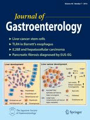
JOURNAL OF GASTROENTEROLOGY
Elevating the understanding of gastrointestinal diseases.JOURNAL OF GASTROENTEROLOGY, published by SPRINGER JAPAN KK, is a premier academic journal that has been at the forefront of gastrointestinal research since its inception in 1994. With an impressive Impact Factor and ranking in the top quartile (Q1) of its category, this journal holds a significant place in the field of gastroenterology, currently ranked 12th out of 167 in Scopus, placing it in the 93rd percentile. The journal serves as an essential platform for disseminating innovative research, clinical studies, and reviews that foster advancements in the understanding and treatment of gastrointestinal diseases. Although it does not offer Open Access options, it provides researchers, clinicians, and students access to crucial insights and breakthroughs pivotal to improving patient care and outcomes in gastroenterology. With a commitment to high-quality peer-reviewed content, JOURNAL OF GASTROENTEROLOGY plays a vital role in shaping the future of gastrointestinal health and research.
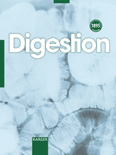
DIGESTION
Advancing gastroenterology through rigorous research.DIGESTION is a prestigious journal dedicated to advancing the field of gastroenterology, published by KARGER, a renowned publisher based in Switzerland. With a rich history dating back to 1896, this journal has continuously evolved and serves as a vital platform for researchers, professionals, and students alike. DIGESTION is recognized for its scholarly contributions, holding an impressive rank of 23 out of 167 in the Scopus database, placing it within the top 14% of gastroenterology journals, as evidenced by its Q2 classification. The journal's commitment to high-quality research is reflected in its wide-ranging scope, addressing various aspects of digestive health, clinical practices, and innovative therapies. Though not an open-access journal, it provides comprehensive access options that ensure the dissemination of crucial research findings to the global community. As we move towards 2024, DIGESTION continues to facilitate dialogue and insights in gastroenterological research, making it an indispensable resource for those in the field.
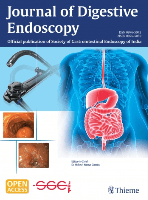
Journal of Digestive Endoscopy
Innovating Techniques for Better Patient OutcomesJournal of Digestive Endoscopy is a premier academic journal published by THIEME MEDICAL PUBL INC, focusing on the rapid advancements and innovative techniques in the field of digestive endoscopy. Established as an Open Access platform since 2011, this journal aims to disseminate high-quality research, reviews, and clinical studies that contribute to the understanding and improvement of digestive health. Featuring a broad spectrum of topics ranging from diagnostic procedures to therapeutic interventions, the journal serves as an essential resource for researchers, clinicians, and students alike who seek to enhance patient outcomes and advance their knowledge in gastroenterology. With its commitment to accessibility and academic rigor, the Journal of Digestive Endoscopy plays a vital role in fostering collaboration and innovation within the scientific community.
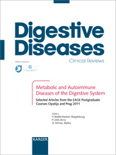
DIGESTIVE DISEASES
Elevating Knowledge in Digestive Diseases.DIGESTIVE DISEASES, published by KARGER, stands as a leading international journal dedicated to the field of gastroenterology and digestive health. With an ISSN of 0257-2753 and E-ISSN 1421-9875, the journal has been providing a platform for high-quality research since its inception in 1983, continuing to disseminate groundbreaking findings and insights through to 2024. Positioned in the second quartile (Q2) of both the gastroenterology and miscellaneous medicine categories as of 2023, DIGESTIVE DISEASES is recognized for its rigorous peer-review process and its contributions to advancing clinical and experimental gastroenterological knowledge. Its Scopus ranking at #62 out of 167 in the gastroenterology field reflects its significant impact, as it reaches a notable 63rd percentile among its peers. While it does not currently offer open access options, its subscription model ensures that vital research is available to professionals and institutions committed to the field. The journal serves as an essential resource for researchers, clinicians, and students alike who seek to deepen their understanding of digestive disorders and their implications in medicine.
DIGESTIVE AND LIVER DISEASE
Transforming the landscape of liver disease research.DIGESTIVE AND LIVER DISEASE is a prominent journal published by Elsevier Science Inc, dedicated to advancing the field of gastroenterology and hepatology. With an ISSN of 1590-8658 and an E-ISSN of 1878-3562, this journal has established itself as a significant resource within the academic community, especially considering its Q2 ranking in both gastroenterology and hepatology categories as of 2023. Spanning from 2000 to 2024, the journal presents a diverse array of peer-reviewed articles, clinical studies, and review papers that explore the latest advancements and research findings in digestive and liver diseases. The journal's robust impact, reflected in its Scopus rankings—40th out of 167 in gastroenterology and 28th out of 82 in hepatology—highlights its critical role in shaping practices and understanding in these vital areas of medicine. With open access options available, DIGESTIVE AND LIVER DISEASE aims to make high-quality research accessible to a wider audience, thereby encouraging collaboration and innovation. Researchers, healthcare professionals, and students alike will find valuable insights into the complex mechanisms, diagnostics, and therapeutic strategies pertinent to digestive and liver health.
ZEITSCHRIFT FUR GASTROENTEROLOGIE
Exploring the Frontiers of Gastroenterology ResearchZEITSCHRIFT FUR GASTROENTEROLOGIE, published by GEORG THIEME VERLAG KG, stands as a notable journal in the field of gastroenterology since its inception in 1971. With an ISSN of 0044-2771 and an E-ISSN of 1439-7803, this journal focuses on advancing knowledge and research in gastrointestinal health. Operating from Germany, its contributions span various aspects of gastroenterology, providing a platform for both established and emerging scholars to share their findings. As of 2023, ZEITSCHRIFT FUR GASTROENTEROLOGIE is ranked in the Q3 quartile in Gastroenterology and Q4 in Medicine (miscellaneous), reflecting its critical yet developing role in the academic community. Despite its current Scopus rank of #117 out of 167 in the gastroenterology category, the journal aims to foster innovative research and discussions vital for tackling contemporary challenges in gastrointestinal medicine. While it does not offer open access, the journal's extensive archival rigor ensures that pertinent studies remain accessible to professionals and academicians seeking to deepen their understanding and engage with evolving clinical practices.