Journal of Electrochemical Science and Technology
metrics 2024
Shaping the Future of Electrochemical Technology
Introduction
Journal of Electrochemical Science and Technology, with the ISSN 2093-8551, is a distinguished publication in the field of electrochemistry, disseminated by the Korean Electrochemistry Society. Based in South Korea, the journal has made significant strides since its inception in 2014, showcasing groundbreaking research that spans various applications of electrochemical science. Currently ranked in the Q2 category for Electrochemistry, it occupies an emerging position within the academic community, evidenced by its Scopus rank of #25 out of 60 in the Electrochemistry domain, placing it in the 59th percentile. Although the journal follows a traditional access model, it remains committed to providing high-quality, peer-reviewed content that fuels innovation and scholarly dialogue. With objectives firmly rooted in advancing the understanding and application of electrochemical phenomena, this journal serves as a crucial resource for researchers, professionals, and students alike, striving to push the boundaries of the electrochemical sciences.
Metrics 2024
 0.812.203.0021
Metrics History
Rank 2024
Scopus
IF (Web Of Science)
JCI (Web Of Science)
Quartile History
Similar Journals
Battery Energy
Driving Progress in Renewable Energy Research.Battery Energy is a pioneering open-access journal established by Wiley in 2022, dedicated to the dynamic field of energy storage and battery technologies. With an E-ISSN of 2768-1696, this journal plays a pivotal role in disseminating innovative research and advancements pertinent to the energy sector, including renewable energy solutions and sustainability practices. It holds a respectable position in Scopus rankings, being placed 32nd out of 78 in the Energy category and 130th out of 270 in Renewable Energy, Sustainability, and the Environment, showcasing its growing impact within the academic community. The journal aims to provide an inclusive platform for researchers, professionals, and students to share insights, foster collaboration, and tackle the pressing challenges associated with battery energy storage. By promoting open access, Battery Energy ensures that cutting-edge research is readily available to a global audience, facilitating the continued evolution of battery technologies for a sustainable future.
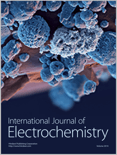
International Journal of Electrochemistry
Advancing the frontiers of electrochemical research.The International Journal of Electrochemistry, published by HINDAWI LTD, serves as a premier outlet for cutting-edge research in the expansive field of electrochemistry. With an ISSN of 2090-3529 and an E-ISSN of 2090-3537, this open-access journal has been contributing to the advancement of scientific knowledge since 2011, making its content freely available to researchers, industry professionals, and students around the globe. The journal aims to foster innovation by disseminating high-quality research articles, reviews, and technical notes that encompass a wide range of topics from fundamental electrochemical principles to practical applications in energy storage, sensors, and material development. With a focus on promoting interdisciplinary collaboration and advancing the understanding of electrochemical systems, the International Journal of Electrochemistry is a vital resource for anyone involved in electrochemical research and its applications.
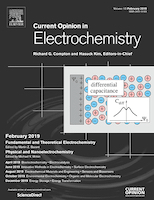
Current Opinion in Electrochemistry
Connecting Scholars to the Pulse of Electrochemical AdvancesCurrent Opinion in Electrochemistry, published by Elsevier, stands at the forefront of research in the fields of Analytical Chemistry and Electrochemistry. With an impressive Impact Factor reflected in its Q1 quartile rankings for both categories, this journal holds a significant place among its peers, ranking 9th in Analytical Chemistry and 8th in Electrochemistry according to Scopus metrics. Launched in 2017, it has rapidly become a vital platform for the dissemination of cutting-edge insights, reviews, and critical assessments that shape the future directions of electrochemical research and applications. As researchers, professionals, and students engage with its content, they find not only a repository of knowledge but also a source of inspiration for innovative experiments and applications. Readers can explore the wealth of information this journal provides to stay updated with contemporary trends and emerging technologies in electrochemistry. With a commitment to high-quality scholarly content, Current Opinion in Electrochemistry is your essential guide to the evolving landscape of electrochemical science.

Energy Materials
Innovating Materials for a Greener Tomorrow.Energy Materials is a pioneering journal published by OAE PUBLISHING INC, dedicated to the dynamic field of energy materials science and engineering. With a focus on advancing knowledge related to materials used in various energy applications such as batteries, fuel cells, and solar cells, this open-access journal aims to disseminate cutting-edge research and innovative methodologies to a global audience. By offering a platform for original research, reviews, and case studies, Energy Materials plays a crucial role in bridging the gap between materials science and energy technology, facilitating the development of sustainable energy solutions. Researchers, professionals, and students alike will find invaluable insights in its pages, fostering advancements in this essential sector. To explore the latest developments in energy materials, visit Energy Materials at OAE PUBLISHING INC.
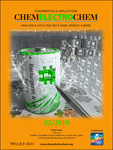
ChemElectroChem
Exploring the dynamic intersection of chemistry and energy.ChemElectroChem is a premier open-access journal published by WILEY-V C H VERLAG GMBH, focusing on the interdisciplinary fields of catalysis and electrochemistry. Established in 2014 and actively publishing until 2024, this journal boasts an impressive reputation, currently ranked in the Q2 category for both catalysis and electrochemistry according to the 2023 metrics. With an Scopus ranking placing it in the 74th percentile for Electrochemistry and 61st for Chemical Engineering and Catalysis, ChemElectroChem serves as an essential platform for researchers, professionals, and students dedicated to advancing knowledge and fostering innovation in these critical scientific domains. Since its transition to open access in 2023, the journal aims to maximize the dissemination of cutting-edge research and facilitate the exchange of ideas among global scholars, thereby enhancing the accessibility and impact of high-quality science within the community. For those engaged in the ever-evolving conversations around energy storage, conversion processes, and sustainable solutions, ChemElectroChem is an invaluable resource.
Journal of Electrochemical Science and Engineering
Connecting Researchers to the Future of Electrochemical Applications.The Journal of Electrochemical Science and Engineering, published by the International Association of Physical Chemists (IAPC), serves as a vital resource for researchers and professionals in the fields of electrochemistry, materials chemistry, and chemical engineering. With an Open Access model since 2011, this journal ensures that groundbreaking research is freely accessible to a global audience, promoting collaboration and knowledge sharing. Situated in Croatia, it showcases cutting-edge developments while focusing on applied aspects related to electrochemical technologies. Notably, the journal holds a commendable Scopus ranking, placing it within the Q3 quartile for multiple categories, including Chemical Engineering (miscellaneous) and Electrochemistry. By fostering innovative research and comprehensive reviews, the Journal of Electrochemical Science and Engineering plays a crucial role in advancing the understanding and application of electrochemical processes, making it an indispensable platform for academics and practitioners alike.
ELECTROCHEMISTRY
Fostering Collaboration in Electrochemical ResearchELECTROCHEMISTRY is an esteemed journal published by the Electrochemical Society of Japan, dedicated to advancing the field of electrochemical science and technology. With an ISSN of 1344-3542 and an E-ISSN of 2186-2451, this journal has been providing a platform for scholarly communication since its inception in 1996, with a converged scope extending to 2024. As an Open Access publication since 2020, it facilitates the wide dissemination of research, fostering collaboration among researchers, professionals, and students alike. Currently positioned in Q3 of the electrochemistry category and ranking 52 out of 60 in Scopus, ELECTROCHEMISTRY is committed to publishing high-quality, peer-reviewed articles that explore novel electrochemical systems, applications, and methodologies. With its base in Tokyo, Japan, the journal serves a global audience, promoting cutting-edge research that drives innovation in energy, materials science, and analytical chemistry.
Electrochemical Science Advances
Connecting Ideas, Inspiring Innovations in ElectrochemistryElectrochemical Science Advances, published by WILEY, is an esteemed Open Access journal that has been making significant contributions to the field of electrochemistry since its inception in 2021. With an ISSN of 2698-5977, this journal serves as a vital platform for researchers and practitioners looking to disseminate their findings on a diverse range of topics within the electrochemical sciences and related areas. The journal has achieved commendable rankings in the Scopus database, placing it in the 2nd quartile in Chemistry (miscellaneous) and the 3rd quartile in Electrochemistry, highlighting its relevance and growing influence in the academic community. As it converges from 2021 to 2024, Electrochemical Science Advances aims to foster collaboration and innovation, offering a vital resource for students, professionals, and researchers dedicated to advancing knowledge and technology in electrochemistry. Access to this cutting-edge research is straightforward, allowing for a comprehensive engagement with the latest advances in the field.
Electrochemical Society Interface
Fostering Collaboration in Electrochemical ResearchElectrochemical Society Interface is a prominent journal within the field of electrochemistry, published by the Electrochemical Society Inc. The journal, carrying the ISSN 1064-8208 and E-ISSN 1944-8783, serves as a vital platform for researchers, professionals, and students alike, aiming to bridge the gap between cutting-edge research and practical applications in the electrochemical domain. With a convergence period spanning from 1992 to 2024, the journal enjoys a respectable ranking in the Q3 Quartile of the 2023 Electrochemistry category. Although it does not currently offer open access options, its articles provide valuable insights into various aspects of electrochemical research and technology, enhancing the scholarly communication in this important field. By maintaining high standards in research dissemination, Electrochemical Society Interface continues to foster innovation and contributes significantly to the developments in electrochemical processes and materials.
RUSSIAN JOURNAL OF ELECTROCHEMISTRY
Bridging Theory and Application in ElectrochemistryThe Russian Journal of Electrochemistry, published by Pleiades Publishing Inc, is a reputable scientific resource that caters to the dynamic field of electrochemistry. Since its inception in 1996, this journal has become a platform for the dissemination of cutting-edge research, exploring both foundational studies and innovative applications within electrochemical science. Despite currently holding a Q4 categorization in its field, the journal is dedicated to enhancing its scholarly impact and visibility, reflecting its commitment to fostering advancements in electrochemical technologies. With its ISSN 1023-1935 and E-ISSN 1608-3342, the journal strives to reach a global audience of researchers, professionals, and students alike. Though the journal is not open access, its contents are crucial for anyone looking to stay at the forefront of electrochemical research and developments. The journal's editorial board includes well-respected experts, ensuring that published articles contribute significantly to the scientific community and pave the way for future innovations in the field.