
Journal of Endocrinology and Metabolism
Scope & Guideline
Transforming insights into action for endocrine and metabolic health.
Introduction
Aims and Scopes
- Endocrine Disorders:
The journal covers a broad spectrum of endocrine disorders including diabetes, thyroid diseases, adrenal dysfunctions, and metabolic syndrome, emphasizing their pathophysiology, diagnosis, and management. - Metabolic Health and Disease:
Research on metabolic diseases, particularly those related to obesity, insulin resistance, and lipid metabolism, is a core focus, exploring both fundamental mechanisms and clinical implications. - Innovative Therapeutics:
The journal features studies on novel therapeutic interventions for endocrine and metabolic disorders, including pharmacological treatments, lifestyle modifications, and surgical options. - Clinical and Epidemiological Studies:
It publishes studies that assess the clinical management and epidemiology of endocrine disorders, providing insights into population health and healthcare strategies. - Biomarkers and Diagnostics:
Research on identifying biomarkers for the diagnosis and monitoring of endocrine and metabolic conditions is emphasized, contributing to personalized medicine approaches.
Trending and Emerging
- Diabetes Management Innovations:
There is a marked increase in research related to innovative diabetes management strategies, including new pharmacological agents and technology-driven solutions such as continuous glucose monitoring. - Metabolic Health in the Context of COVID-19:
Emerging themes include the intersection of metabolic health and COVID-19, with studies exploring how metabolic disorders influence disease severity and recovery. - Impact of Lifestyle Factors:
Research focusing on lifestyle factors such as diet, exercise, and sleep patterns as they relate to metabolic health is gaining traction, highlighting their role in disease prevention and management. - Biomarkers for Metabolic Disease:
There is a growing emphasis on identifying and utilizing biomarkers to assess metabolic health and predict therapeutic responses, which is crucial for personalized medicine. - Psychosocial Aspects of Metabolic Disorders:
An emerging focus on the psychosocial factors affecting patients with metabolic disorders, including the impact of mental health on disease management and outcomes.
Declining or Waning
- Rare Endocrine Disorders:
Research on rare endocrine disorders appears to be declining, with fewer studies published in this area, possibly due to the challenges in recruitment and the niche nature of these conditions. - Traditional Dietary Approaches:
There has been a waning interest in traditional dietary interventions for metabolic disorders, as newer, more innovative dietary strategies such as ketogenic and intermittent fasting approaches gain popularity. - Longitudinal Studies:
The frequency of longitudinal studies examining the long-term impacts of endocrine disorders on health outcomes has decreased, potentially impacting the understanding of chronic disease progression. - Case Reports of Uncommon Conditions:
The publication of case reports detailing uncommon endocrine conditions has diminished, which may reflect a shift towards larger cohort studies and clinical trials.
Similar Journals

Archives of Endocrinology Metabolism
Bridging science and practice in metabolic disorders.Archives of Endocrinology Metabolism is a distinguished open-access journal dedicated to advancing the field of endocrinology and metabolism. Published by SBEM-SOC BRASIL ENDOCRINOLOGIA & METABOLOGIA, this journal has established itself as a vital platform for researchers, clinicians, and scholars since its inception in 2008. With an ISSN of 2359-3997 and E-ISSN of 2359-4292, it aims to disseminate high-quality research articles that explore the latest advancements in endocrinology, diabetes, and metabolism. As of 2023, it has achieved a commendable Q3 ranking in its field, demonstrating its relevancy and increasing visibility among peers. The journal's focus spans various sub-disciplines, including hormonal regulation, metabolic disorders, and innovative therapies, making it an essential resource for both emerging professionals and seasoned experts alike. With a rich repository of research from Brazil and beyond, Archives of Endocrinology Metabolism continuously seeks to contribute to the ongoing dialogue and collaboration within the global scientific community.

Journal of the Endocrine Society
Illuminating the path to breakthroughs in endocrinology.Journal of the Endocrine Society, published by the ENDOCRINE SOC, stands as a prominent platform for disseminating significant research and findings within the field of endocrinology, diabetes, and metabolism. Established as an Open Access journal since 2017, it aims to increase the visibility and accessibility of vital scholarly contributions, allowing researchers and professionals from various backgrounds to engage with the latest insights in this rapidly evolving discipline. With an impressive Q2 ranking in Endocrinology, Diabetes and Metabolism, the journal is recognized for its impact, ranking #100 out of 244 in Scopus, highlighting its role in advancing scientific knowledge and fostering innovation. The journal, based in the United States at 2055 L ST NW, SUITE 600, WASHINGTON, DC 20036, continues to enrich the academic landscape by converging state-of-the-art research and clinical applications through its publication cycle from 2017 to 2024. Researchers, students, and healthcare professionals are encouraged to explore this essential resource to stay at the forefront of endocrinological advancements.
AMERICAN JOURNAL OF PHYSIOLOGY-ENDOCRINOLOGY AND METABOLISM
Driving innovation in diabetes and metabolic research.American Journal of Physiology-Endocrinology and Metabolism, published by the American Physiological Society, stands as a leading platform for disseminating high-quality research in the fields of endocrinology, diabetes, and metabolism, as well as general physiology. With an impressive impact factor placing it within the Q1 category across multiple relevant disciplines (Endocrinology, Diabetes and Metabolism; Physiology; and Medical Physiology), this journal reflects its authoritative position in the scientific community. Spanning from 1980 to 2024, the journal consistently publishes groundbreaking studies and significant findings that advance our understanding of hormonal regulation and metabolic processes. Although it does not currently offer open access, it provides valuable resources for researchers, professionals, and students alike, eager to stay at the forefront of advancements in physiological sciences. Addressed in Rockville, Maryland, its commitment to excellence and rigorous peer review ensures that every article contributes essential insights to the field.
METABOLISM-CLINICAL AND EXPERIMENTAL
Exploring Innovations in Metabolism and Clinical PracticeMETABOLISM-CLINICAL AND EXPERIMENTAL is a premier academic journal published by W B SAUNDERS CO-ELSEVIER INC, with a distinguished history dating back to 1952. This journal serves as a vital repository of knowledge in the fields of Endocrinology, Diabetes, and Metabolism, consistently ranking in the top quartile (Q1) within these categories according to the latest metrics. With an impressive impact factor and recognized for its contributions to Biochemistry, Genetics, and Molecular Biology, it ranks #5 out of 128 in the Scopus database for Endocrinology and #11 out of 244 for Medicine related to Endocrinology, Diabetes, and Metabolism, placing it in the 95th and 96th percentiles, respectively. While the journal does not currently offer open access, it maintains rigorous peer review standards and publishes cutting-edge research that drives forward the understanding of metabolic diseases and clinical practices. By engaging with METABOLISM-CLINICAL AND EXPERIMENTAL, researchers, healthcare professionals, and students can explore groundbreaking advancements and pivotal findings that shape the future of metabolic health.
ENDOCRINE JOURNAL
Empowering research to unlock hormonal mysteries.ENDOCRINE JOURNAL, published by the Japan Endocrine Society, is a pivotal resource for researchers and professionals in the field of endocrinology, diabetes, and metabolism. With a long history dating back to 1954, this journal encompasses a comprehensive range of topics including hormonal regulation, pathophysiology of endocrine diseases, and innovative therapeutic approaches. Despite its classification as open access, the journal remains a beacon of knowledge, with impressive rankings—Q2 in Endocrinology, Diabetes and Metabolism and Q3 in Endocrinology for 2023—ensuring it is a respected source in the academic community. It serves as a critical platform for the dissemination of cutting-edge research, encouraging collaboration and facilitating advancements in understanding complex endocrine disorders. By subscribing to this journal, researchers and students gain access to seminal studies, clinical insights, and a wealth of information that drives this vital field forward.
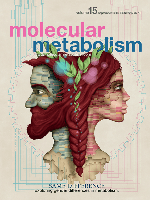
Molecular Metabolism
Pioneering Insights into Metabolic PathwaysMolecular Metabolism is a premier, open-access journal published by Elsevier, dedicated to advancing the understanding of metabolic processes at the molecular level. With an ISSN of 2212-8778 and a proud presence in Germany, the journal has made significant contributions to the fields of Cell Biology and Molecular Biology, consistently achieving a Q1 ranking in both categories as of 2023. The journal’s scope encompasses cutting-edge research that explores metabolic pathways, their regulation, and implications for human health, underscoring the interplay between metabolism and various biological functions. Researchers and professionals benefit from the journal’s robust visibility, as it ranks #40 among 410 journals in Molecular Biology and #35 among 285 in Cell Biology according to Scopus metrics, placing it in the top 10 percentile in its field. With open access since 2012, Molecular Metabolism ensures that groundbreaking research is available to all, fostering a collaborative and inclusive academic environment. Its commitment to excellence and accessibility makes it an invaluable resource for those invested in metabolic research.

Hormones-International Journal of Endocrinology and Metabolism
Exploring the Nexus of Endocrinology and MetabolismHormones - International Journal of Endocrinology and Metabolism, published by Springer International Publishing AG, is a vital resource within the field of Endocrinology, Diabetes, and Metabolism. Since its inception in 2005, this journal has made significant contributions to the understanding of hormonal mechanisms and their implications across various medical disciplines. With a current impact factor that places it in the Q3 category for Endocrinology and the Q2 category for miscellaneous Medicine – as indicated by its Scopus rankings – it stands out as a reputable platform for cutting-edge research and clinical findings. Although it operates under a subscription model, the journal's comprehensive scope encompasses basic and applied scientific studies, making it essential reading for researchers, clinicians, and students alike. The journal is headquartered in Germany with a strong commitment to promoting scholarly communication and knowledge dissemination within its specialized fields through the year 2024 and beyond.
JOURNAL OF MOLECULAR ENDOCRINOLOGY
Uncovering Breakthroughs in Molecular EndocrinologyJOURNAL OF MOLECULAR ENDOCRINOLOGY, published by BIOSCIENTIFICA LTD, is a prestigious academic journal that has made significant contributions to the fields of endocrinology and molecular biology since its inception in 1988. With an impressive impact factor that places it in the Q1 category for Endocrinology and Q2 for Molecular Biology, this journal is recognized for its rigorous peer-reviewed research that addresses key questions at the intersection of molecular mechanisms and hormonal regulation. The journal's accessibility within the Scopus rankings, notably positioned 45th out of 128 in Endocrinology, highlights its relevance and influence in shaping contemporary scientific discourse. Although the journal does not currently offer open access options, it remains an essential resource for researchers, professionals, and students eager to explore groundbreaking discoveries and advancements in the hormonal sciences. The JOURNAL OF MOLECULAR ENDOCRINOLOGY continues to pave the way for critical exploration and innovation, ensuring its place as a vital publication for the advancement of knowledge in molecular endocrinology.

JOURNAL OF CLINICAL ENDOCRINOLOGY & METABOLISM
Advancing Endocrinology: Where Research Meets PracticeJOURNAL OF CLINICAL ENDOCRINOLOGY & METABOLISM, published by the Endocrine Society, stands as a premier academic journal within the field of endocrinology, diabetes, and metabolism. With a legacy spanning from 1941 to 2024, this journal is distinguished by its significant impact factor, ranking in the Q1 category across multiple related disciplines including biochemistry, clinical biochemistry, and medicine. This esteemed journal, ISSN 0021-972X and E-ISSN 1945-7197, is backed by rigorous peer review, ensuring the publication of high-quality research that contributes to the advancement of clinical practices and scientific knowledge. With a commendable Scopus ranking, positioned in the top percentile of multiple categories, JOURNAL OF CLINICAL ENDOCRINOLOGY & METABOLISM serves as an essential resource for researchers, professionals, and students who seek to stay informed about the latest findings and innovations in endocrine research. The journal enriches the existing body of knowledge and fosters discussion among scholars and practitioners alike, solidifying its crucial role in the ongoing discourse in endocrinology and metabolic health.
Cardiovascular Endocrinology & Metabolism
Advancing the Science of Heart and HormonesCardiovascular Endocrinology & Metabolism is a leading open-access journal dedicated to advancing our understanding of the interconnections between cardiovascular health and endocrine functions. Published by Lippincott Williams & Wilkins, this journal serves as a vital resource for researchers and clinicians alike, providing timely insights into the intricate relationships between metabolic disorders and cardiovascular diseases. With an impressive impact factor and categorized in Q2 for both Cardiology and Cardiovascular Medicine as well as Endocrinology, Diabetes, and Metabolism, it holds a significant position within its respective fields. The journal has been fully open access since its inception in 2012, ensuring that critical research is accessible to a global audience. By fostering innovation and collaboration, Cardiovascular Endocrinology & Metabolism aims to promote better health outcomes and stimulate novel research directions, making it an essential resource for professionals striving to bridge the gaps between these two critical domains.