
Journal of Engineering-JOE
Scope & Guideline
Catalyzing Engineering Advancements Through Open Access
Introduction
Aims and Scopes
- Electrical and Power Engineering:
Research related to electrical systems, including power generation, distribution, and renewable energy sources, focusing on improving efficiency, stability, and fault detection. - Control Systems and Automation:
Development and application of control strategies, including robust control, adaptive systems, and fault-tolerant mechanisms in various engineering contexts. - Machine Learning and AI Applications:
Integration of machine learning and artificial intelligence techniques in engineering problems, such as predictive maintenance, fault detection, and optimization of engineering systems. - Robotics and Intelligent Systems:
Innovations in robotics, including mobile robots, automation, and intelligent system designs that enhance operational efficiency and adaptability. - Materials and Manufacturing Technologies:
Exploration of new materials, manufacturing processes, and their applications in engineering, particularly in energy systems and structural applications. - Telecommunications and Networking:
Research on communication technologies, including IoT applications, resource allocation in networks, and enhancing communication protocols for reliability and efficiency.
Trending and Emerging
- Renewable Energy and Sustainability:
There is an increasing emphasis on research related to renewable energy sources, energy storage, and sustainable engineering practices, highlighting the global push for cleaner energy solutions. - Artificial Intelligence and Data-Driven Solutions:
The application of AI and machine learning algorithms in various engineering domains is on the rise, particularly for predictive analytics, automation, and optimization. - Smart Grid and Energy Management Systems:
Research focusing on smart grid technologies and energy management systems is gaining traction, reflecting the need for improved efficiency and reliability in energy distribution. - Advanced Materials and Nanotechnology:
Emerging studies on advanced materials, including nanomaterials and their applications in various engineering fields, are becoming increasingly prominent. - Cybersecurity in Engineering Systems:
With the rise of interconnected systems, research on cybersecurity measures for engineering applications is becoming critical, addressing vulnerabilities in smart devices and networks.
Declining or Waning
- Traditional Mechanical Systems:
Research on conventional mechanical systems and designs has decreased, likely due to the increasing focus on automation and smart technologies. - Basic Electrical Engineering Concepts:
Fundamental studies in electrical engineering, such as basic circuit design and analysis, have been overshadowed by more advanced topics involving AI and machine learning. - General Purpose Robotics:
The focus on generic robotic systems is waning as research shifts towards specialized applications, such as autonomous systems and intelligent robotics. - Conventional Energy Systems:
Traditional energy systems without integration of renewable sources or smart technologies are receiving less attention compared to hybrid and sustainable energy solutions. - Static Data Analysis Methods:
Static analysis methods in data processing are being replaced by dynamic and adaptive approaches that leverage real-time data and machine learning techniques.
Similar Journals
IEEE Canadian Journal of Electrical and Computer Engineering
Advancing Innovation in Electrical and Computer EngineeringWelcome to the IEEE Canadian Journal of Electrical and Computer Engineering, an esteemed publication by IEEE CANADA, dedicated to advancing the field of electrical and computer engineering. Since its inception in 2021, this journal has served as a vital platform for scholarly communication, encouraging the dissemination of innovative research and practical applications within the realms of electrical and electronic engineering, as well as hardware and architecture. With an impressive Q3 ranking in both categories for 2023, the journal is gaining recognition among academics and professionals alike, asserting a solid position within the competitive landscape of engineering publications. The journal is accessible as an open access resource, ensuring that groundbreaking studies are made available to a global audience, fostering collaboration and knowledge transfer. Published in Canada, the journal aims to highlight research from this vibrant region while also welcoming contributions from international experts, ultimately propelling scholarly discourse in electrical and computer engineering forward.

Transactions of the Korean Society of Mechanical Engineers A
Pioneering Insights in Manufacturing and Materials Science.Transactions of the Korean Society of Mechanical Engineers A is a leading academic journal dedicated to the field of mechanical engineering, published by the Korean Society of Mechanical Engineers. With an ISSN of 1226-4873 and an E-ISSN of 2288-5226, this journal serves as a vital platform for disseminating innovative research and advancements in mechanical engineering. Situated in South Korea, the journal aims to foster knowledge exchange among researchers and professionals by publishing high-quality, peer-reviewed articles that cover a broad range of topics, including but not limited to manufacturing processes, thermodynamics, and materials science. Although it currently holds a Q4 ranking in the Mechanical Engineering category and is positioned in the 12th percentile of Scopus rankings, the journal is dedicated to expanding its impact and visibility in the global academic community. As it converges from 2007 to 2024, Transactions of the Korean Society of Mechanical Engineers A represents an essential resource for those seeking to advance their understanding and research within this dynamic discipline.

Studies in Informatics and Control
Fostering Excellence in Computer Science and EngineeringStudies in Informatics and Control is a distinguished academic journal published by the NATL INST R&D INFORMATICS-ICI, specializing in the interdisciplinary fields of Computer Science and Electrical and Electronic Engineering. With an ISSN of 1220-1766 and a recognized standing within its field, this journal aims to foster innovation and disseminate high-quality research findings from 2010 through 2024. It maintains a significant presence in the academic landscape, holding a Q3 ranking in both Computer Science (miscellaneous) and Electrical and Electronic Engineering categories for 2023, which underscores its commitment to advancing knowledge and technology in these areas. While the journal is not open access, it provides valuable insights and results that are essential for researchers, professionals, and students striving to develop their expertise in informatics and control systems. Based in Romania, its contributions traverse international boundaries, appealing to a global audience keen on the latest developments and trends within these rapidly evolving fields.
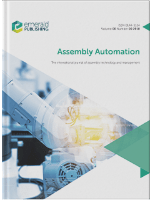
ASSEMBLY AUTOMATION
Transforming Industry Standards with Cutting-Edge StudiesASSEMBLY AUTOMATION, published by EMERALD GROUP PUBLISHING LTD, is a pivotal journal that has been addressing the field of industrial and manufacturing engineering since its inception in 1980. With an ISSN of 0144-5154 and an E-ISSN of 1758-4078, this journal is dedicated to advancing the knowledge and practices in assembly and automation technologies, essential for today’s competitive industrial landscape. Though its coverage in Scopus has been discontinued, it maintains a respectable ranking of #116/355 in Industrial and Manufacturing Engineering and #105/286 in Control and Systems Engineering, placing it in the 67th and 63rd percentiles, respectively. The journal serves as a valuable resource for researchers, professionals, and students seeking insights into the latest developments and trends in the automation sector. While Open Access options are available, readers can immerse themselves in a vast array of impactful studies that delve into operational efficiency, innovative manufacturing solutions, and the future of automation technologies.

Electrical Engineering & Electromechanics
Championing Groundbreaking Research in Engineering SciencesElectrical Engineering & Electromechanics, published by the Natl Technical University, Kharkiv Polytechnic Institute, is a leading open access journal that has been disseminating cutting-edge research in the fields of electrical and electronic engineering, energy engineering, and mechanical engineering since its inception in 2006. With ISSN 2074-272X, this journal not only contributes to the advancement of engineering science but also provides a platform for knowledge sharing among researchers, professionals, and students globally. The journal holds a notable position within the academic community, being classified as Q3 in 2023 across multiple categories, highlighting its relevance and influence in the engineering discipline. With Scopus rankings revealing its percentile standing, the journal is positioned to foster innovation and discussion in a rapidly evolving field. The open access model ensures that all published articles are freely available, enhancing the visibility and impact of high-quality research. As it converges towards the years of 2019 to 2024, Electrical Engineering & Electromechanics aims to continually publish groundbreaking studies while encouraging contributions that drive technology and electrical advancements forward.
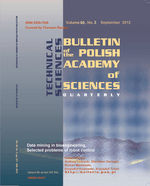
Bulletin of the Polish Academy of Sciences-Technical Sciences
Catalyzing Progress in Scientific UnderstandingBulletin of the Polish Academy of Sciences-Technical Sciences is a distinguished peer-reviewed journal published by the Polish Academy of Sciences, focusing on a broad spectrum of disciplines within technical sciences. With an E-ISSN of 2300-1917 and an established presence since 1983, this journal transitioned to an Open Access model in 2009, ensuring wide dissemination of innovative research findings. Recognized for its contributions, the journal boasts notable rankings in various categories, including Q4 in Artificial Intelligence and Q3 in fields such as Computer Networks and Communications and Atomic and Molecular Physics, as indicated by its Scopus rankings. With its strategic location in Warsaw, Poland, and a commitment to advancing knowledge and technology, the Bulletin serves as a vital platform for researchers, professionals, and students to share and engage with cutting-edge developments in engineering and related fields. Emphasizing high-quality research, this journal offers an essential resource for anyone looking to enhance their understanding of current trends and breakthroughs in technical sciences.

Journal of Electrical Systems
Fostering Collaboration Across Engineering DisciplinesThe Journal of Electrical Systems is a prominent Open Access journal published by the ENGINEERING & SCIENTIFIC RESEARCH GROUPS since 2005, dedicated to presenting valuable research in the realms of Electrical and Electronic Engineering as well as Computer Science. With an ISSN of 1112-5209 and an E-ISSN of 1112-5209, this journal seeks to foster innovation and share knowledge among researchers and practitioners operating in these critical fields. Operating out of Paris, France, the journal has made significant strides despite recent categorizations placing it in the Q4 quartile of Computer Science and Electrical and Electronic Engineering. Its ongoing commitment to disseminating impactful findings is underscored by its open accessibility, enabling a wider audience to engage with research that spans various interdisciplinary applications. The journal continuously invites contributions that enhance our understanding of electrical systems, empowering stakeholders at all levels to push the boundaries of technology and engineering.
Journal of Control Automation and Electrical Systems
Unveiling New Frontiers in Electrical SystemsThe Journal of Control Automation and Electrical Systems, published by SPRINGER, is a prominent academic journal dedicated to advancing research in the interdisciplinary fields of control systems, automation, and electrical engineering. With an ISSN of 2195-3880 and E-ISSN of 2195-3899, this journal has emerged as a vital platform for disseminating high-quality research, contributing significantly to both theoretical and applied aspects of these interrelated domains. As of 2023, it ranks in the Q2 and Q3 quartiles across multiple categories, including Electrical and Electronic Engineering and Energy Engineering, showcasing its relevance and impact in the field. Although not an open-access journal, it provides rich access options for research works, ensuring that findings reach a wide audience. Researchers, professionals, and students alike can draw valuable insights from its curated articles that explore emerging trends, innovative technologies, and practical applications, thus reinforcing its position as a key contributor to the advancement of control and automation systems.
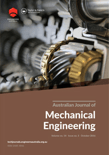
Australian Journal of Mechanical Engineering
Elevating Industry Standards through Rigorous Research and Insight.The Australian Journal of Mechanical Engineering is a distinguished publication in the realm of mechanical engineering, dedicated to advancing the knowledge and application of engineering principles within the industry. Published by TAYLOR & FRANCIS LTD in the United Kingdom, this journal has been integral to the field since its inception, featuring a range of peer-reviewed research articles, reviews, and technical notes that collectively aim to bridge theoretical research with practical applications. With an impressive Scopus ranking of #271 out of 672 in Mechanical Engineering, positioning it within the 59th percentile, the journal continues to uphold rigorous academic standards, currently occupying Q3 in the 2023 quartile rankings. Researchers, professionals, and students alike will benefit from its comprehensive coverage and insightful contributions, providing a vital platform for knowledge exchange and innovation in mechanical engineering.
SAIEE Africa Research Journal
Championing Open Access for Global Knowledge Sharing.SAIEE Africa Research Journal, published by the South African Institute of Electrical Engineers, is a pivotal platform for innovative and impactful research in the fields of electrical engineering and related disciplines. Embracing an Open Access model since 2022, this journal ensures that high-quality research is readily accessible to a global audience, thereby fostering collaboration and knowledge sharing among researchers, professionals, and students alike. With the ISSN 1991-1696, the journal aims to address significant challenges and advancements within the African context and beyond, highlighting local and international studies that contribute to the development of the engineering sector. By maintaining a commitment to rigorous peer review and interdisciplinary dialogue, the SAIEE Africa Research Journal stands out as an essential resource for those seeking to advance their understanding and expertise in electrical engineering and technology.