Journal of the Faculty of Engineering and Architecture of Gazi University
Scope & Guideline
Advancing architectural excellence and engineering innovation.
Introduction
Aims and Scopes
- Engineering Innovations:
The journal highlights research that explores innovative engineering solutions across various fields, including mechanical, civil, electrical, and materials engineering. - Architecture and Urban Design:
It covers research related to architectural design, urban planning, and sustainable building practices, emphasizing the integration of technology and aesthetics. - Sustainable Practices:
A core area of focus is the development and analysis of sustainable engineering practices, including energy efficiency, waste reduction, and the use of renewable resources. - Advanced Materials and Manufacturing:
Research on new materials, manufacturing processes, and the application of additive manufacturing technologies is prominently featured, showcasing advancements that improve product performance. - Data-Driven Approaches:
The journal embraces data science methodologies, including machine learning and computational modeling, to solve complex engineering problems and optimize designs. - Multi-Criteria Decision Making:
Papers that propose frameworks and methodologies for decision-making in engineering and architecture contexts are frequently published, highlighting the importance of systematic approaches to complex problems. - Interdisciplinary Research:
The journal encourages interdisciplinary studies that bridge gaps between engineering, architecture, environmental sciences, and social sciences, promoting comprehensive understanding and solutions.
Trending and Emerging
- Smart Building Technologies:
There is an increasing focus on smart building technologies, including automation, IoT integration, and energy management systems, highlighting the shift towards intelligent infrastructures. - Sustainability and Green Engineering:
Research addressing sustainability, green engineering practices, and the lifecycle assessment of materials and processes is trending, reflecting global environmental concerns. - Artificial Intelligence and Machine Learning Applications:
The integration of AI and machine learning into engineering solutions is gaining momentum, with studies exploring their application in design optimization and predictive maintenance. - Resilience in Engineering Design:
Emerging studies are focusing on resilience in engineering design, particularly in response to climate change and natural disasters, emphasizing adaptive and flexible design principles. - Advanced Computational Modeling:
There is a trend towards the use of advanced computational models, including simulations and numerical analyses, to assess complex engineering problems. - Interdisciplinary Approaches to Problem Solving:
Research that combines perspectives from different disciplines to address engineering and architectural challenges is increasingly prevalent, fostering innovative solutions.
Declining or Waning
- Traditional Manufacturing Techniques:
Research focused on conventional manufacturing methods has decreased, possibly due to the growing interest in advanced and additive manufacturing technologies. - Basic Theoretical Studies:
There has been a notable reduction in purely theoretical studies that do not incorporate practical applications or empirical validation, reflecting a shift towards applied research. - Low-Impact Environmental Studies:
Topics related to low-impact environmental practices are becoming less frequent, potentially overshadowed by more aggressive sustainability initiatives. - Generic Infrastructure Projects:
Research on generic infrastructure projects without specific innovative approaches or technologies has declined as the journal seeks more impactful contributions. - Non-Data-Driven Studies:
There is a noticeable decrease in studies that do not utilize data-driven methodologies, as the trend moves towards incorporating big data and analytics in engineering research.
Similar Journals
Mechanical Engineering Reviews
Empowering researchers with cutting-edge reviews and methodologies.Mechanical Engineering Reviews, published by the Japan Society of Mechanical Engineers, is a leading peer-reviewed journal dedicated to advancing the field of mechanical engineering through extensive reviews and comprehensive analyses. With its ISSN 2187-9753, this journal serves as an essential resource for researchers, professionals, and students alike who seek to stay abreast of the latest developments, methodologies, and technological advancements in mechanical engineering. Although specific details regarding its impact factor and access options are currently unavailable, the journal is recognized for its scholarly contributions and its role in disseminating vital knowledge within the global mechanical engineering community. Located in Tokyo, Japan, the journal strives to foster innovation and interdisciplinary collaboration, making it an indispensable platform for sharing insights that drive the field forward.

Advances in Civil and Architectural Engineering
Unlocking the Potential of Interdisciplinary EngineeringAdvances in Civil and Architectural Engineering is a cutting-edge scholarly journal dedicated to the dissemination of pioneering research in the realm of civil engineering and architecture. Published by the esteemed Josip Juraj Strossmayer University of Osijek, Faculty of Civil Engineering and Architecture, this journal operates under an Open Access model since 2022, allowing for unrestricted access to its rich repository of articles. The journal aims to bridge the gap between academia and industry by providing a platform for innovative studies, technical advancements, and best practices that contribute to the evolution of sustainable construction and architectural design. With its focus on interdisciplinary approaches and contemporary challenges in the field, Advances in Civil and Architectural Engineering serves as an invaluable resource for researchers, professionals, and students seeking to enhance their understanding and impact in this vital area of engineering. The journal's ISSN is 2975-3848, and it is committed to fostering the advancement of knowledge and collaboration within the global engineering community.

MANUFACTURING ENGINEERING
Fostering Collaboration for Manufacturing BreakthroughsManufacturing Engineering is a pivotal journal specializing in the fields of Industrial and Manufacturing Engineering, as well as Mechanical Engineering, with a rich history of publication since its inception in 1975. Published by the esteemed Société des Ingénieurs de Fabrication (SME), this journal plays a crucial role in disseminating innovative research, practical applications, and emerging technologies that shape the manufacturing sector. Despite its recent positioning in the Q4 quartile rankings on Scopus, the journal serves as a platform for rigorous peer-reviewed articles that contribute to the academic dialogue and bolster advancements in manufacturing practices. The journal operates without open access options, making it an essential resource for institutions and professionals looking to stay informed within the manufacturing domain. With a dedicated audience comprising researchers, engineers, and industry professionals, Manufacturing Engineering continues to address the evolving challenges and opportunities in manufacturing, fostering an environment ripe for collaboration and exploration.
Journal of Engineering and Technological Sciences
Advancing Engineering Excellence GloballyJournal of Engineering and Technological Sciences, published by ITB JOURNAL PUBL, is a prominent open-access journal dedicated to advancing knowledge in various engineering disciplines and applied sciences. With an impact factor that highlights its growing influence, this journal supports a broad scope of topics, including Chemical Engineering, Civil and Structural Engineering, Earth-Surface Processes, Environmental Science, and Materials Science, as well as Mechanical Engineering. The journal has been sharing impactful research since 2013 and continues to bridge gaps between theory and practical application within the engineering community. Leveraging its Q2 and Q3 category quartile rankings in key engineering fields and solid standings in Scopus rankings, it provides a vital platform for researchers, practitioners, and students alike. Based in Indonesia, at the LPPM ITB Rectorate Building in Bandung, the journal emphasizes global contributions and innovations in engineering, making it an essential resource for cutting-edge research worldwide.

Machines
Innovating the future of technology through open research.Machines is a leading journal in the fields of engineering and computer science, published by MDPI in Switzerland since 2013. As an Open Access publication, it ensures that researchers, professionals, and students can freely access high-quality peer-reviewed research. The journal covers a diverse range of topics, including control and optimization, mechanical engineering, electrical engineering, and industrial manufacturing, boasting impressive rankings in various Scopus categories, such as Q2 in Computer Science and Control Systems Engineering. With a commitment to advancing knowledge and innovation in these critical areas, Machines serves as an essential platform for disseminating research findings and fostering collaboration within the academic community. By contributing to the ongoing dialogue in these dynamic fields, the journal plays a pivotal role in shaping the future of technology and engineering practices.

Journal of Polytechnic-Politeknik Dergisi
Connecting Researchers, Professionals, and Students in Engineering.The Journal of Polytechnic-Politeknik Dergisi, published by GAZI UNIV, stands as a significant platform in the field of engineering and technology, addressing the needs of a diverse audience including researchers, professionals, and students. With an ISSN of 1302-0900 and an E-ISSN of 2147-9429, this journal is committed to disseminating high-quality research that fosters innovation and collaboration in polytechnic education and applied sciences. Located at CENTER CAMPUS TECHNOLOGY FAC B BLOCK EK BINA, 2ND FL, ANKARA 06500, Turkiye, it aims to serve as a vital resource for advancing knowledge and practical applications within the polytechnic community. The journal promotes open discourse on cutting-edge developments and helps bridge the gap between theory and practice. Engaged and comprehensive, it ensures accessibility to pivotal research findings through various academic channels.
JOURNAL OF THE CHINESE INSTITUTE OF ENGINEERS
Advancing engineering knowledge for a brighter future.The Journal of the Chinese Institute of Engineers, published by Taylor & Francis Ltd, serves as a vital platform for the dissemination of innovative research in the field of engineering. Since its inception in 1978, this journal has been committed to advancing knowledge and fostering academic dialogue in general engineering and its multidisciplinary applications. With its current ranking of Q3 in the 2023 Engineering (miscellaneous) category, it is recognized within Scopus as the 139th out of 307 journals, placing it in the 54th percentile of its field. The journal facilitates access to a diverse range of high-quality articles, promoting a deeper understanding of contemporary engineering challenges. Although it does not operate on an open-access model, its insights are invaluable for researchers, professionals, and students eager to stay at the forefront of engineering advancements. Located in Oxford, England, the journal is poised to continue its influential role in shaping the future of engineering research until 2024 and beyond.
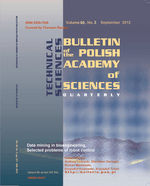
Bulletin of the Polish Academy of Sciences-Technical Sciences
Bridging Theory and Practice in Technical SciencesBulletin of the Polish Academy of Sciences-Technical Sciences is a distinguished peer-reviewed journal published by the Polish Academy of Sciences, focusing on a broad spectrum of disciplines within technical sciences. With an E-ISSN of 2300-1917 and an established presence since 1983, this journal transitioned to an Open Access model in 2009, ensuring wide dissemination of innovative research findings. Recognized for its contributions, the journal boasts notable rankings in various categories, including Q4 in Artificial Intelligence and Q3 in fields such as Computer Networks and Communications and Atomic and Molecular Physics, as indicated by its Scopus rankings. With its strategic location in Warsaw, Poland, and a commitment to advancing knowledge and technology, the Bulletin serves as a vital platform for researchers, professionals, and students to share and engage with cutting-edge developments in engineering and related fields. Emphasizing high-quality research, this journal offers an essential resource for anyone looking to enhance their understanding of current trends and breakthroughs in technical sciences.

Tehnicki Vjesnik-Technical Gazette
Unlocking Insights in Diverse Engineering DisciplinesTehnicki Vjesnik-Technical Gazette is a distinguished open-access journal published by the University of Osijek, Technical Faculty, specializing in the broad field of engineering. With its ISSN 1330-3651 and E-ISSN 1848-6339, the journal has been a platform for disseminating innovative research and technical advancements since its inception in 1994. As part of the Scopus rankings, it holds a respectable position in the Q3 category of Engineering (miscellaneous), specifically ranking #165 out of 307 in the General Engineering field, which places it in the 46th percentile. This journal invites contributions from diverse engineering disciplines and aims to foster collaboration and knowledge sharing amongst researchers, professionals, and students. With its commitment to open access since 2006, Tehnicki Vjesnik ensures that research findings are readily available to a global audience, thereby enhancing visibility and impact. Located in Slavonski Brod, Croatia, this journal serves as a pivotal resource for anyone seeking to stay at the forefront of engineering innovations.
Engineering Reports
Elevating the standards of engineering research and collaboration.Engineering Reports is a premier open-access journal published by Wiley, dedicated to advancing the fields of Engineering and Computer Science. Since its inception in 2019, this journal has rapidly gained recognition, achieving a commendable Q2 ranking in both the engineering and computer science categories in 2023, evidencing its impactful contributions to the scientific community. With an impressive Scopus rank of #70/307 in General Engineering and #63/232 in General Computer Science, the journal is well-positioned to disseminate cutting-edge research and foster innovation. Researchers, professionals, and students will find value in its comprehensive scope, which includes emerging technologies and interdisciplinary studies, making it an essential resource for anyone involved in these dynamic fields. Accessible online, Engineering Reports aims to bridge the gap between complex engineering theories and practical applications, enhancing collaboration and knowledge sharing globally.