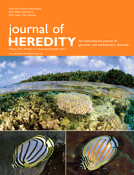
JOURNAL OF HEREDITY
metrics 2024
Fostering Dialogue in the World of Heredity
Introduction
JOURNAL OF HEREDITY is a prominent academic journal published by Oxford University Press Inc, dedicated to the interdisciplinary field of heredity and genetics. With a rich history dating back to 1905 and an anticipated coverage until 2024, this journal has established itself as an essential resource for researchers, professionals, and students alike. It boasts a significant impact as evidenced by its prestigious rankings in various categories, achieving a Q1 status in Biotechnology and notable placements in Genetics and Molecular Biology. The journal fosters open dialogue on contemporary issues and advancements within the field, emphasizing both foundational research and applied studies. Access to its rich content is structured through traditional subscription models, allowing for comprehensive literature engagement. By publishing high-quality research, JOURNAL OF HEREDITY plays a crucial role in shaping the future of genetics and promoting collaboration across scientific disciplines.
Metrics 2024
 1.163.002.80103
Metrics History
Rank 2024
Scopus
IF (Web Of Science)
JCI (Web Of Science)
Quartile History
Similar Journals
EVOLUTION
Pioneering Insights into Life's ComplexitiesEVOLUTION is a premier academic journal published by Oxford University Press, dedicated to the dynamic fields of evolutionary biology, ecology, and genetics. Since its inception in 1948, the journal has established itself as a leading platform for innovative research and critical analyses, achieving a remarkable impact factor that reflects its significance in the scientific community. EVOLUTION is consistently ranked in the Q1 category across key disciplines, including Agricultural and Biological Sciences, Ecology, and Genetics, making it a vital resource for researchers and practitioners alike. With an impressive Scopus ranking placing it in the 79th percentile for Agricultural and Biological Sciences and the 78th percentile for Ecology and Evolution, the journal is essential reading for those seeking to stay at the forefront of evolutionary studies. Although the journal does not currently offer open access options, it remains a crucial vehicle for disseminating cutting-edge research that influences the understanding of biological processes and their implications in diverse ecosystems. The commitment to rigor and excellence ensures that EVOLUTION continues to shape the discourse in evolutionary science and related fields.
AMERICAN JOURNAL OF PHYSICAL ANTHROPOLOGY
Advancing Knowledge in Physical AnthropologyAMERICAN JOURNAL OF PHYSICAL ANTHROPOLOGY, published by Wiley, has established itself as a leading platform in the field of physical anthropology since its inception in 1918. This esteemed journal, identifiable by its ISSN 0002-9483 and E-ISSN 1096-8644, has been instrumental in disseminating groundbreaking research, achieving impressive rankings in both Social Sciences (Rank #18/443, 96th percentile) and Medicine (Rank #9/44, 80th percentile) categories within Scopus. Although its coverage in Scopus has concluded as of 2021, the journal continues to be a vital resource for academics and professionals seeking to explore the biological aspects of human evolution and variation. With a commitment to high-quality, peer-reviewed publications, the journal supports open access to enhance the visibility and accessibility of anthropological research globally. Researchers, students, and professionals are encouraged to engage with the innovative findings published in this journal, contributing to the ongoing dialogue in physical anthropology.
MOLECULAR BIOLOGY AND EVOLUTION
Pioneering Research at the Intersection of Biology and EvolutionMOLECULAR BIOLOGY AND EVOLUTION, published by Oxford University Press, stands as a premier journal in the fields of molecular biology, evolutionary biology, and genetics. With a proud history dating back to its inception in 1983, the journal spans a convergence period through 2024, providing an exceptional platform for disseminating high-quality research. The journal is recognized in the top Q1 quartile across multiple categories, including Ecology, Evolution, Behavior and Systematics, and Genetics, reflecting its significant impact and relevance in these disciplines. With impressive Scopus rankings—10th in Ecology and Evolution, 12th in Genetics, and 22nd in Molecular Biology—it serves as a vital resource for scholars aiming to stay informed on cutting-edge developments in evolutionary processes and molecular genetics. While it currently does not offer open access, its curated contents resonate well with an audience of researchers, professionals, and students deeply interested in accelerating their understanding of the complexities of life through an evolutionary lens.
Conservation Genetics Resources
Fostering Sustainable Ecosystems through Genetic ResearchConservation Genetics Resources, published by SPRINGER in Germany, is a key resource in the field of conservation science, focusing on the genetic aspects essential for biodiversity preservation and ecosystem management. With an ISSN of 1877-7252 and an E-ISSN of 1877-7260, this journal has established its presence as a vital platform for disseminating high-quality research that addresses the challenges of genetic conservation strategies. Notably, it has demonstrated a strong academic impact, currently holding a Q3 ranking in Ecology, Evolution, Behavior and Systematics and Q4 in Genetics for 2023, alongside Scopus ranks that position it as a notable contributor in its fields. This journal invites contributions that enhance the understanding of genetic diversity, population genetics, and conservation genomics, and it serves as an essential reference for researchers, professionals, and students committed to the preservation of our natural heritage. The access options are varied, catering to the needs of its diverse readership, and making it an indispensable addition to academic research spaces.

Annual Review of Genomics and Human Genetics
Unraveling the Complexities of Genetics with AuthorityAnnual Review of Genomics and Human Genetics, published by ANNUAL REVIEWS, represents a pivotal platform in the field of Genetics and Molecular Biology. With an impressive impact factor reflecting its high citation rate and scholarly influence, this journal is renowned for its authoritative reviews that synthesize current research across genomics and human genetics. Highlighting its Q1 category rankings in both Genetics and Clinical Genetics, as well as its ranking within the top tiers of Biochemistry and Genetics, the journal stands out as a leading resource for researchers, professionals, and students eager to stay abreast of groundbreaking developments in these rapidly evolving fields. While not currently an open access journal, its rigorous peer-review process ensures the highest standards of scientific integrity. Researchers can access comprehensive reviews that delve into both fundamental genetics concepts and cutting-edge discoveries, making it an essential resource for advancing understanding in human genetics and its applications.
GENETICA
Unraveling the Mysteries of Life Through GeneticsGENETICA is a prominent journal published by SPRINGER, dedicated to advancing the field of genetics and its applications across various biological disciplines, including animal science, plant science, and insect science. Since its inception in 1919, the journal has consistently served as a vital platform for researchers and professionals to disseminate high-quality research findings that explore the genetic bases of biological phenomena. With its current scope spanning from 1943 to 2024, GENETICA holds a commendable position in the academic community, as evidenced by its Q2 ranking in both animal science and insect science, and its active contribution to interdisciplinary studies in genetics. Although the journal does not offer open access, it remains accessible through institutional subscriptions and libraries, ensuring its vital research is widely circulated. Researchers, professionals, and students alike will find GENETICA an invaluable resource for the latest discoveries and methodologies in the ever-evolving landscape of genetics.
Genetics Research
Exploring the Frontiers of Genetic DiscoveryGenetics Research, published by HINDAWI LTD, is a distinguished open access journal that has been at the forefront of genetic studies since its inception in 1960. With the transition to open access in 2019, this journal has expanded its accessibility, fostering knowledge dissemination across the global scientific community. Operating out of the United Kingdom, it provides a platform for innovative research in the fields of genetics and molecular biology, encompassing a broad range of topics that are highly relevant to medical sciences. As of 2023, it holds a Q4 classification in Genetics and a Q3 classification in miscellaneous Medicine, reflecting its ongoing commitment to scholarly excellence amidst shifting academic landscapes. While the journal's H-index remains unlisted, its indexed ranking within Scopus, with a rank of #325/328 in the Genetics category highlights the challenges ligated to its niche audience. Nevertheless, it serves as a crucial resource for researchers, professionals, and students eager to contribute to and stay informed on the latest genetic research trends and breakthroughs.
RUSSIAN JOURNAL OF GENETICS
Exploring the Frontiers of Genetic ResearchRUSSIAN JOURNAL OF GENETICS is a significant platform in the field of genetics, published by PLEIADES PUBLISHING INC since its inception in 1996. With an ISSN of 1022-7954 and an E-ISSN of 1608-3369, the journal focuses on a wide array of topics within genetics, providing researchers, professionals, and students with insights into advancements and discoveries in this ever-evolving discipline. While it currently holds a Q4 ranking in the 2023 Genetics category according to Scopus, representing invaluable opportunities for knowledge dissemination, the journal is actively working to enhance its impact in future rankings. Readers will find the journal a repository of diverse genetic research findings, methodologies, and theoretical advancements. Although it is not an open-access journal, it is committed to serving the academic community through rigorous peer-reviewed articles. With a consistent publication trajectory spanning to 2024, the RUSSIAN JOURNAL OF GENETICS remains a crucial resource for those aspiring to stay at the forefront of genetic research and applications.
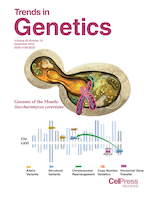
TRENDS IN GENETICS
Pioneering Insights in the World of GeneticsTRENDS IN GENETICS, published by CELL PRESS, is a leading journal in the field of genetics, recognized for its significant impact on research and advancements in the discipline. With an impressive Scopus ranking of #10 out of 347 in the category of Genetics and a 97th percentile ranking, this journal stands as a premier platform for publishing innovative, high-quality articles that shape the future of genetic research. Since its inception in 1985, TRENDS IN GENETICS has been at the forefront of the genetic sciences, continuously disseminating crucial findings while maintaining a strong commitment to scientific rigor and integrity. Although it does not currently offer open access options, its rigorous peer-review process ensures that only the most relevant and groundbreaking studies make it to publication. Scholars and practitioners in genetics will find this journal to be an invaluable resource for keeping abreast of the latest developments, trends, and methodologies that drive the field forward.

BMC Ecology and Evolution
Bridging gaps in research with open access insights.BMC Ecology and Evolution is a premier open access journal published by BMC, dedicated to advancing our understanding of ecological and evolutionary processes in a rapidly changing world. With a growing e-ISSN of 2730-7182, this journal serves as a vital platform for researchers and scholars looking to disseminate high-quality research findings that explore the interplay between ecological dynamics and evolutionary developments. Operating from London, England, BMC Ecology and Evolution provides seamless access to valuable research, ensuring that significant studies are available to a global audience without barriers. The journal fosters a collaborative atmosphere, welcoming diverse research methodologies and interdisciplinary approaches, thus making it a crucial resource for professionals, students, and academics alike. Its commitment to open access ensures that pioneering research in ecology and evolution is readily available, encouraging the continuous exchange of ideas and knowledge in the field.