JOURNAL OF INORGANIC MATERIALS
metrics 2024
Unveiling Innovations in Inorganic Materials
Introduction
JOURNAL OF INORGANIC MATERIALS, published by SCIENCE PRESS, is a prominent platform dedicated to the dissemination of research in the fields of inorganic chemistry and materials science. With a history spanning over three decades since its inception in 1993, this journal has become a key resource for academics and industry professionals alike, aiming to advance the understanding of inorganic materials through rigorous research findings. It operates under a strict peer-review process, ensuring high-quality contributions that uphold its reputation within the scientific community. Currently ranking in the Q3 category for both inorganic chemistry and miscellaneous materials science, the journal holds a significant position in Scopus rankings, further solidifying its relevance and impact. Researchers will find this journal an essential avenue for the latest discoveries and methodologies in inorganic materials, fostering innovation and collaboration in a vital area of science.
Metrics 2024
 0.351.701.2029
Metrics History
Rank 2024
Scopus
IF (Web Of Science)
JCI (Web Of Science)
Quartile History
Similar Journals
Journal of Physical Chemistry C
Charting new territories in nanotechnology research.The Journal of Physical Chemistry C, published by the American Chemical Society, stands as a pivotal resource in the realm of materials science and physical chemistry. With an impact factor reflecting its esteemed reputation, this journal showcases high-quality research spanning topics such as electronic, optical, and magnetic materials, as well as nanoscience and nanotechnology. Hailing from the United States, it operates without an open access model, yet its contributions are critical for advancing our understanding of surfaces, coatings, and films. Notably, the journal is classified in Quartile 1 (Q1) for several categories, underscoring its prominence in Physical and Theoretical Chemistry and related fields. Researchers, professionals, and students alike will find value in the comprehensive discussions and innovative research trends presented. The scholarly articles published from 2007 to 2024 not only drive forward scientific inquiry but also inform practical applications in various industries, making this journal an essential tool for anyone committed to excellence in the sciences.

ACS Macro Letters
Unleashing the Potential of Polymers and PlasticsACS Macro Letters, published by the American Chemical Society, is a leading journal in the fields of Inorganic Chemistry, Materials Chemistry, Organic Chemistry, and Polymers and Plastics. Established in 2012, this journal has swiftly ascended to the forefront of chemical research with an impressive reputation, as evidenced by its 2023 Scopus rankings placing it in the first quartile across multiple categories. The journal's objective is to disseminate timely and concise articles that advance the study of macromolecules and their applications, making it an essential resource for researchers, professionals, and students alike. With a focus on fostering innovation and facilitating collaboration within the chemical community, ACS Macro Letters presents a robust platform for scientists to share their groundbreaking findings. Being based in the United States, it serves as a central hub for global discourse in the chemical sciences, although it does not currently offer Open Access options. The journal's commitment to high-quality content is further underscored by its prestigious impact factor and acceptance into elite academic quartiles, signifying its influence and importance in shaping future research.
NPG Asia Materials
Connecting Academia and Industry through Cutting-edge ResearchNPG Asia Materials, a premier journal published by NATURE PORTFOLIO, stands at the forefront of research in the fields of condensed matter physics, materials science, and modeling and simulation. With an impressive Impact Factor gracing its Q1 rankings in 2023, this open-access journal, established in 2012, offers a vital platform for disseminating high-quality research articles, reviews, and perspectives that advance the understanding of material properties and innovative applications. Based in the United States and catering to a global audience, NPG Asia Materials features cutting-edge contributions that not only enhance academic scholarship but also provoke discussions relevant to both industry and academia. Researchers, professionals, and students are invited to explore its extensive archive of work, covering insights from 2009 to 2024, in a bid to stay abreast of the latest developments in these rapidly evolving scientific domains.
FlatChem
Connecting Researchers to Transformative Material DiscoveriesFlatChem, an esteemed journal published by ELSEVIER, serves as a premier platform for disseminating high-quality research in the dynamic fields of ceramic and composite materials, electronic and optical materials, materials chemistry, and surfaces, coatings, and films. Since its inception in 2017, the journal has garnered a robust reputation, evidenced by its rank in the top quartile (Q1) across multiple categories, including a commendable rank of #25/127 in Ceramics and Composites and #49/284 in Electronic, Optical and Magnetic Materials. With a focus on pioneering advancements and innovative methodologies, FlatChem not only highlights cutting-edge research but also promotes collaboration and knowledge exchange within the scientific community. The journal’s impact is underscored by its impressive rankings in Scopus, marking it as a vital resource for researchers, professionals, and students aiming to stay at the forefront of materials science. As an open-access journal, it ensures that groundbreaking findings are readily accessible, fostering a broader understanding and application of materials innovation worldwide. The journal is based in the Netherlands, with its headquarters located at RADARWEG 29, 1043 NX AMSTERDAM, NETHERLANDS. Join the vibrant community contributing to FlatChem and engage with the forefront of material advancements.
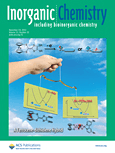
INORGANIC CHEMISTRY
Illuminating the Dynamics of Inorganic MaterialsInorganic Chemistry, published by the American Chemical Society, stands at the forefront of the field of inorganic and physical chemistry, boasting an impressive impact in the academic community with a 2023 classification in the Q1 quartile across multiple categories including Inorganic Chemistry and Miscellaneous Chemistry. Since its inception in 1962, this esteemed journal has been a crucial platform for disseminating groundbreaking research, innovative methodologies, and comprehensive reviews integral to understanding the complex behaviors of inorganic materials. With a ranking of #12 out of 79 in Inorganic Chemistry and #37 out of 189 in Physical and Theoretical Chemistry according to Scopus metrics, Inorganic Chemistry has established itself as a premier destination for researchers, professionals, and students alike, eager to stay abreast of pivotal developments and trends in the discipline. Despite being a subscription-based journal, its esteemed reputation and critical contributions make it essential for anyone engaged in the exploration of inorganic chemical phenomena. As it prepares to converge into a new era by 2024, the journal continues to embody excellence and innovation, fostering a dynamic exchange of ideas essential for advancing this vibrant area of science.
Inorganic and Nano-Metal Chemistry
Advancing Knowledge in Inorganic Chemistry and Nanotechnology.Inorganic and Nano-Metal Chemistry is a premier journal published by Taylor & Francis Inc, focusing on innovative research and advancements in the fields of inorganic chemistry and nano-metal applications. With an increasing impact in the academic community, this journal has established itself within the Q3 category of both Inorganic Chemistry and Physical and Theoretical Chemistry as of 2023, reflecting its global recognition and influence. The journal is accessible as an Open Access publication, ensuring that research findings are freely available to a broad audience, promoting transparency and collaboration in scientific exploration. Based in the United Kingdom, Inorganic and Nano-Metal Chemistry aims to disseminate high-quality peer-reviewed articles that not only highlight fundamental studies but also push the boundaries of technological applications in areas such as catalysis, materials science, and nanotechnology. Researchers, professionals, and students will find this journal an invaluable resource for the latest developments and interdisciplinary insights in the ever-evolving landscape of inorganic and nano-metal chemistry.

JOURNAL OF CLUSTER SCIENCE
Unveiling Complexities in Cluster PhenomenaJOURNAL OF CLUSTER SCIENCE, published by SPRINGER/PLENUM PUBLISHERS, is a prominent and influential journal in the fields of Biochemistry, Chemistry, Condensed Matter Physics, and Materials Science. With an ISSN of 1040-7278 and E-ISSN of 1572-8862, this journal has been contributing to scientific discourse since its inception in 1990 and continues to publish cutting-edge research through 2024. It holds a respectable position in the academic landscape with its category quartiles indicating a Q3 ranking in Biochemistry and Q2 rankings in Chemistry, Condensed Matter Physics, and Materials Science as of 2023. The journal's noteworthy Scopus rankings further underscore its relevance, particularly a rank of #82 in Condensed Matter Physics, showcasing its impact and the quality of research disseminated. Although it does not currently offer open access options, it remains a key resource for researchers, professionals, and students who are invested in understanding the complexities of cluster science and its interdisciplinary applications.
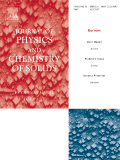
JOURNAL OF PHYSICS AND CHEMISTRY OF SOLIDS
Transforming Knowledge in Physics and ChemistryJOURNAL OF PHYSICS AND CHEMISTRY OF SOLIDS, published by Pergamon-Elsevier Science Ltd, is a distinguished international journal that has been at the forefront of disseminating cutting-edge research in the fields of physics, chemistry, and materials science since its inception in 1956. This journal, which is recognized for its high impact in the Q2 category across multiple subjects—including Chemistry (miscellaneous), Condensed Matter Physics, and Materials Science—serves as a vital platform for researchers, professionals, and students to engage with significant advances in solid-state physics and chemistry. With Scopus rankings placing it in the top 15% of its field across various domains, the journal plays a crucial role in shaping the scientific dialogue surrounding materials properties, synthesis, and applications. Although it does not currently offer open access options, the presented research is widely recognized for its quality and relevance, ensuring that published works contribute meaningfully to ongoing scholarly discussions.
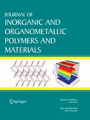
Journal of Inorganic and Organometallic Polymers and Materials
Fostering Innovation in Polymer and Materials ResearchThe Journal of Inorganic and Organometallic Polymers and Materials, published by SPRINGER, is a premier academic journal dedicated to advancing the field of materials science, particularly in the domains of inorganic and organometallic polymers. Established in 1996, this journal has successfully converged multiple years of research, reflecting the dynamic evolution of the field through to 2024. With an impressive Scopus Rank placing it in the top 81st percentile in both Materials Chemistry and Polymers and Plastics, it is recognized for its significant contributions and innovations. The journal is classified in the prestigious Q2 Category, indicating its influence and relevance among leading publications. While it operates under a subscription model, the journal is committed to disseminating cutting-edge research, providing insights that empower researchers, professionals, and students to push the boundaries of materials chemistry and polymer science. Its focus on high-quality, peer-reviewed articles ensures that readers are equipped with the latest findings and methodologies that drive this exciting and rapidly evolving field.

RUSSIAN JOURNAL OF INORGANIC CHEMISTRY
Fostering Insights for a Sustainable FutureThe Russian Journal of Inorganic Chemistry is a distinguished publication that delves into the fundamental and applied aspects of inorganic chemistry. Published by MAIK Nauka/Interperiodica/Springer, this journal has established itself as a vital resource for researchers, professionals, and students alike, contributing significantly to the fields of Inorganic Chemistry, Materials Science, and Physical and Theoretical Chemistry. With an ISSN of 0036-0236 and an E-ISSN of 1531-8613, the journal is indexed for easy access and citation. Though the journal currently operates under a subscription model, its commitment to disseminating high-quality research and fostering scientific discourse remains steadfast. The journal has been maintaining a consistent record since its inception, and its positioning in the Q3 quartile across various chemistry categories in 2023 underscores its relevance in the academic community. As it continues through its converged years from 1996 to 2024, the Russian Journal of Inorganic Chemistry plays a pivotal role in enhancing the understanding and advancement of inorganic chemistry, making it an indispensable tool for anyone engaged in this dynamic field.