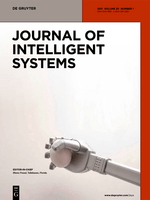
Journal of Intelligent Systems
metrics 2024
Fostering Global Collaboration in Intelligent Research
Introduction
The Journal of Intelligent Systems, published by DE GRUYTER POLAND SP Z O O, is a premier open access journal that has been at the forefront of advancements in the fields of Artificial Intelligence, Information Systems, and Software Engineering since its inception in 1991. With a commitment to disseminating high-quality research, the journal has been recognized in the 2023 category quartiles as Q3 in these critical areas, reflecting its relevance and impact in the academic community. The journal serves as a vital platform for researchers, professionals, and students interested in the evolving landscape of intelligent systems, offering insights into innovative methodologies and applications. As an open access publication since 2020, it ensures that research is readily available to a global audience, fostering collaboration and engagement within the scientific community. With a Scopus rank in the 65th to 69th percentiles across its categories, The Journal of Intelligent Systems continues to contribute significantly to the discourse on intelligent technologies and their implications for the future.
Metrics 2024
 0.482.101.8031
Metrics History
Rank 2024
Scopus
IF (Web Of Science)
JCI (Web Of Science)
Quartile History
Similar Journals
IEEE INTELLIGENT SYSTEMS
Empowering Innovation in AI and NetworksIEEE Intelligent Systems, published by the renowned IEEE Computer Society, stands at the forefront of research in the fields of Artificial Intelligence and Computer Networks and Communications. With an impressive Q1 ranking in both categories as of 2023 and Scopus rankings placing it in the top 5% of its field, this journal not only showcases cutting-edge scientific advancements but also serves as a vital resource for practitioners, academics, and students seeking to deepen their understanding and application of intelligent systems. The journal covers a broad range of topics including machine learning, data mining, and system architectures, reflecting its commitment to addressing contemporary challenges and innovations in technology. Although it does not offer open access, the journal's research contributions are invaluable, ensuring that its readership remains engaged with the latest findings and applications in a rapidly evolving field. For those interested in submitting high-quality research or staying updated on the latest developments, IEEE Intelligent Systems represents an essential hub of knowledge.

Cognitive Computation and Systems
Fostering Collaboration in Cognitive Computation and Systems.Cognitive Computation and Systems is an innovative open-access journal published by Wiley, dedicated to advancing the fields of Artificial Intelligence, Cognitive Neuroscience, and Computer Science Applications. Based in the United Kingdom, this journal has established itself as a key resource for researchers, students, and professionals alike since its inception in 2019. With a focus on the convergence of cognitive theories and computational methodologies, Cognitive Computation and Systems aims to publish high-quality research that bridges holistic cognitive processing with algorithmic design. Although the journal is currently categorized in the lower quartiles of its fields, it provides a unique platform for disseminating pioneering ideas that can drive the vital intersection of computer vision, pattern recognition, and psychology. Scholars can take advantage of its open-access model, ensuring that research findings are freely available, thus promoting wider knowledge sharing and collaboration within these rapidly evolving domains. With its ambitious scope and commitment to quality, this journal is poised to make a significant impact in its respective fields.
PeerJ Computer Science
Elevating Computer Science Through Open ScholarshipPeerJ Computer Science is a leading open access journal published by PEERJ INC, dedicated to the field of computer science. Since its inception in 2015, it has made significant strides in promoting scholarly communication and accessibility to cutting-edge research. With an impressive impact factor reflected by a Q1 ranking in the Computer Science (miscellaneous) category and a Scopus rank of 51 out of 232, this journal stands at the forefront of its field. The journal's open access model ensures that groundbreaking findings are readily available to researchers, professionals, and students alike, fostering collaboration and innovation in the ever-evolving landscape of computer science. As it continues to publish until 2024 and beyond, PeerJ Computer Science remains an essential resource for those seeking to stay ahead in their research and practice.

Applied Computing and Informatics
Leading the Charge in Open-Access Computing ResearchApplied Computing and Informatics, published by Emerald Group Publishing Ltd, is a prominent open-access journal that has been serving the academic community since 2011. With a focus on advancing the fields of Computer Science Applications, Information Systems, and Software, this journal has established itself as a noteworthy publication, currently ranking in the Q3 quartile for each of its categories in 2023. The journal is particularly recognized for its commitment to disseminating high-quality research, as evidenced by its impressive Scopus rankings—placing it in the 92nd percentile for Computer Science Applications and the 91st percentile for both Information Systems and Software. Based in Saudi Arabia, it adopts a global perspective, inviting contributions from researchers worldwide. With its open-access policy, Applied Computing and Informatics ensures that cutting-edge research is accessible to a broad audience, fostering collaboration and innovation within the computing and informatics disciplines. This journal is an essential resource for academics, professionals, and students seeking to keep abreast of the latest trends and developments in their field.

Intelligent Data Analysis
Unlocking Insights Through Intelligent Data ExplorationIntelligent Data Analysis is a highly regarded journal published by IOS Press, specializing in the fields of Artificial Intelligence, Computer Vision, and Pattern Recognition. With its ISSN 1088-467X and E-ISSN 1571-4128, the journal has been a cornerstone of scholarly communication since its inception in 1997, serving as a vital resource for researchers, professionals, and students engaged in advancing methodologies and applications in intelligent data analysis. The journal maintains its significance with impressive Scopus ranks, indicating its notable position within the academic community. Although currently not an Open Access journal, Intelligent Data Analysis offers a wealth of insights and findings, encouraging collaboration and knowledge exchange among its readership. With an impact factor reflective of its rigorous selection processes, the journal traverses a broad range of topics, contributing to ongoing discussions and innovations in its field. As the journal looks toward shaping future research until 2024 and beyond, it remains a pivotal platform for disseminating cutting-edge research and fostering academic inquiry.
INTEGRATED COMPUTER-AIDED ENGINEERING
Exploring Innovative Solutions Through Interdisciplinary ResearchINTEGRATED COMPUTER-AIDED ENGINEERING (ISSN: 1069-2509, E-ISSN: 1875-8835) is a prominent journal published by IOS PRESS in the Netherlands, renowned for its rigorous coverage of the interdisciplinary fields of artificial intelligence, computational theory, and software applications. Since its inception in 1993, this journal has consistently contributed to the academic discourse, standing out in the Q1 and Q2 quartiles across various categories as of 2023. With Scopus rankings placing it in the93rd percentile for computational theory and mathematics and 91st for theoretical computer science, it is a vital resource for researchers and professionals seeking to explore innovative methodologies and advanced engineering solutions. While not an open-access journal, INTEGRATED COMPUTER-AIDED ENGINEERING provides comprehensive access options for institutional subscribers, ensuring the dissemination of vital research findings to a global audience. This journal aims to facilitate the exchange of knowledge, inspire future studies, and foster technological advancements in computer-aided engineering.

International Journal of Advanced Computer Science and Applications
Advancing the Frontier of Computer Science Research.International Journal of Advanced Computer Science and Applications, published by SCIENCE & INFORMATION SAI ORGANIZATION LTD, stands as a significant platform in the ever-evolving field of computer science. With its ISSN 2158-107X and E-ISSN 2156-5570, the journal aims to disseminate high-quality research and innovations from diverse areas within computer science, embracing cutting-edge technologies and methodologies. As of 2023, it holds a commendable Q3 ranking in the field, placing it among a competitive cohort of journals while showcasing its commitment to scholarly excellence. The journal operates under an open access model, ensuring that its content is widely accessible to researchers, professionals, and students alike, thereby fostering a collaborative environment for knowledge-sharing and advancing the discipline. With a history of converged contributions from 2017 to 2024, the International Journal of Advanced Computer Science and Applications serves as a vital resource for those seeking to stay at the forefront of computer science research and applications.
APPLIED INTELLIGENCE
Advancing the frontiers of Artificial Intelligence applications.Applied Intelligence is a prominent peer-reviewed journal that has been instrumental in advancing the field of Artificial Intelligence since its inception in 1991. Published by Springer, a reputable name in academic publishing, the journal focuses on the innovative applications of intelligent systems, algorithms, and methodologies across various disciplines. With an impressive Q2 ranking in the Artificial Intelligence category for 2023, and a Scopus rank of #117 out of 350 in its field, Applied Intelligence is recognized for its significant contributions and rigorous standards. The journal is accessed primarily through subscription, ensuring that high-quality research reaches the academic community and industry professionals alike. Its commitment to disseminating cutting-edge research makes it an invaluable resource for researchers, practitioners, and students interested in the practical implications of AI advancements. Join a community dedicated to exploring the transformative power of artificial intelligence and stay ahead in this ever-evolving field!
INTERNATIONAL JOURNAL OF INTELLIGENT SYSTEMS
Fostering Interdisciplinary Dialogues in Intelligent TechnologiesInternational Journal of Intelligent Systems, published by Wiley-Hindawi, stands at the forefront of the Artificial Intelligence, Human-Computer Interaction, Software, and Theoretical Computer Science fields. With an impressive Q1 ranking across multiple categories in 2023 and a robust track record since its inception in 1986, this journal is essential for researchers, professionals, and students alike who are eager to explore cutting-edge innovations and theoretical advancements. Located in the United Kingdom, the journal operates under the esteemed Wiley-Hindawi publishing house, ensuring a broad dissemination of high-quality research articles. The journal's diverse scope encompasses advancements in intelligent systems and their practical applications, fostering an interdisciplinary dialogue that encourages collaboration across various domains. Although Open Access options are not available, subscribers benefit from the rich repository of knowledge this journal offers, making it a vital resource in the rapidly evolving landscape of intelligent technologies.

KSII Transactions on Internet and Information Systems
Exploring New Dimensions in Digital Research.KSII Transactions on Internet and Information Systems is a leading academic journal dedicated to advancing the fields of Internet technology and information systems. Published by the KSII-Kor Soc Internet Information, this journal has established itself as a significant contributor to research since its inception in 2007, with a focus on innovative solutions and methodologies in computer networks and communications as well as information systems. With a Category Quartile of Q3 in both fields for 2023, it ranks in the 44th percentile among its peers according to Scopus, making it a reputable platform for authors to share their findings. While available in print, the journal also promotes open access, ensuring broad dissemination of research findings. The editorial team is committed to maintaining high scholarly standards and relevance, inviting contributions from researchers, professionals, and students eager to push the boundaries of knowledge in today's rapidly evolving digital landscape. For those engaged in or studying these dynamic fields, the KSII Transactions on Internet and Information Systems remains an invaluable resource for cutting-edge research.