
Journal of the Korean Society for Aeronautical and Space Sciences
metrics 2024
Unveiling Breakthroughs in Space Science
Introduction
The Journal of the Korean Society for Aeronautical and Space Sciences is a dedicated platform for the dissemination of cutting-edge research in the fields of aerospace engineering and space sciences. Published by the esteemed Korean Society for Aeronautical & Space Sciences, this journal aims to bring together innovative findings and technological advancements from around the globe, thereby contributing to the ongoing development of the aerospace sector. Operating from South Korea, the journal holds an ISSN of 1225-1348 and an E-ISSN of 2287-6871, catering to both print and digital scholarly communication. Although categorized in Q4 within the Aerospace Engineering segment and ranked 139 out of 153 on Scopus, the journal plays a crucial role in fostering research collaboration and knowledge exchange among professionals, researchers, and students alike. With converged years from 2019 to 2024, it continuously seeks to enhance its contributions to the academic community through rigorous peer review and publication of original research. Given the evolution of aerospace technologies, this journal is vital for anyone involved in aeronautical research, ensuring that their work reaches the right audience.
Metrics 2024
 0.190.200.204
Metrics History
Rank 2024
Scopus
IF (Web Of Science)
JCI (Web Of Science)
Quartile History
Similar Journals

JOURNAL OF THE AMERICAN HELICOPTER SOCIETY
Transforming Ideas into Flight-Ready Innovations.The Journal of the American Helicopter Society, published by the American Helicopter Society Inc., serves as a leading platform for innovative research in aerospace engineering, mechanical engineering, and materials science. With its ISSN 0002-8711 and E-ISSN 2161-6027, this esteemed journal has been disseminating pivotal findings since 1969 and continues to capture cutting-edge advancements in the field. The journal is distinguished by its position in the top quartile (Q1) for Aerospace Engineering and Mechanics of Materials, and Q2 for Materials Science (miscellaneous), reflecting its rigorous standards and significant influence on both academia and industry. Researchers, professionals, and students benefit from access to comprehensive studies, case analyses, and reviews, all aimed at enhancing knowledge and fostering innovation in rotary-wing aircraft technologies. As the field continues to evolve through new challenges and innovations, the Journal of the American Helicopter Society remains a vital resource for those committed to advancing helicopter design, operation, and safety.
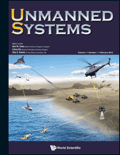
Unmanned Systems
Shaping the Landscape of Control and OptimizationUnmanned Systems is a leading academic journal published by WORLD SCIENTIFIC PUBL CO PTE LTD based in Singapore, that serves as a premier platform for research and advancements in unmanned vehicle technology. Covering a broad range of disciplines, the journal ranks in the Q1 category for Aerospace Engineering, Automotive Engineering, Control and Optimization, and Control and Systems Engineering as of 2023, showcasing its high impact within these fields. With impressive Scopus rankings placing it in the top tiers of its categories—8th in Control and Optimization and 14th in Aerospace Engineering—Unmanned Systems stands out as a vital resource for researchers, professionals, and students eager to explore current trends and innovations. While the journal operates under a traditional access model, it remains committed to disseminating quality original research, reviews, and case studies that contribute significantly to the understanding and application of unmanned technologies from 2013 through 2024.
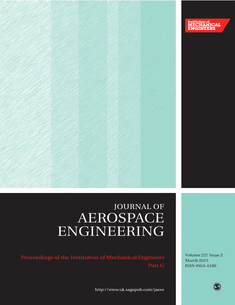
PROCEEDINGS OF THE INSTITUTION OF MECHANICAL ENGINEERS PART G-JOURNAL OF AEROSPACE ENGINEERING
Connecting Theory and Practice in Aerospace InnovationPROCEEDINGS OF THE INSTITUTION OF MECHANICAL ENGINEERS PART G-JOURNAL OF AEROSPACE ENGINEERING, published by SAGE PUBLICATIONS LTD, stands as a pivotal resource for those immersed in the disciplines of aerospace and mechanical engineering. With an ISSN of 0954-4100 and E-ISSN of 2041-3025, this journal not only contributes to the academic community but also reflects a robust commitment to advancing knowledge within these fields. Operating from the United Kingdom, it has garnered a respectable reputation, evidenced by its category quartiles—ranking Q3 in both Aerospace Engineering and Mechanical Engineering as of 2023. Established in 1989, the journal has evolved substantially over the years, serving as a platform for groundbreaking research and innovative methodologies. Researchers, professionals, and students alike will find a wealth of insights that foster collaboration and advance the frontiers of engineering. Although currently not available as an Open Access publication, the journal remains a critical reference point for those looking to deepen their understanding and contribute to ongoing developments in aerospace technology.

Journal of Aerospace Technology and Management
Pioneering Research in Aerospace Engineering and Beyond.The Journal of Aerospace Technology and Management, published by the Instituto de Aeronáutica e Espaço (IAE), serves as a pivotal platform for the dissemination of innovative research in the fields of Aerospace Engineering and Computational Mechanics since its inception in 2009. With an ISSN of 1984-9648 and an E-ISSN of 2175-9146, this Open Access journal facilitates unrestricted access to quality research, fostering knowledge sharing and collaboration among researchers, professionals, and academic institutions worldwide. Based in Brazil, it ranks in the Q3 category according to the latest metrics (2023), highlighting its growing influence and relevance in the competitive landscape of aerospace studies. The journal currently boasts notable Scopus rankings, ensuring that published works achieve widespread recognition and impact within the scientific community. Its diverse scope encompasses a blend of theoretical and applied research, making it an indispensable resource for those seeking to explore groundbreaking advancements in aerospace technologies and management.
ACTA ASTRONAUTICA
Leading the Way in Orbital Mechanics and DesignACTA ASTRONAUTICA is a premier journal in the field of aerospace engineering, dedicated to advancing knowledge in space exploration and technology. Published by PERGAMON-ELSEVIER SCIENCE LTD in the United Kingdom, this journal boasts a prestigious Q1 ranking within its category as of 2023, positioning it in the top tier of aerospace engineering publications. With an ISSN of 0094-5765 and an E-ISSN of 1879-2030, ACTA ASTRONAUTICA has been a crucial resource for researchers and professionals since its inception in 1974, continuing to publish cutting-edge research through to 2024. The journal focuses on a wide range of topics, from orbital mechanics and spacecraft design to astronautics and planetary science, aiming to inspire innovation and facilitate the exchange of ideas among scholars, industry experts, and students. ACTA ASTRONAUTICA is ranked 19th out of 153 in its field, highlighting its importance and influence within the aerospace community. Researchers seeking a reputable platform to share their findings will find this journal to be an essential part of the academic discourse in aerospace engineering.

International Journal of Aeronautical and Space Sciences
Pioneering Insights in Aerospace EngineeringThe International Journal of Aeronautical and Space Sciences, published by Springer, is a prominent platform dedicated to advancing research and innovation in the fields of Aerospace Engineering, Control and Systems Engineering, Electrical and Electronic Engineering, and Materials Science. With an ISSN of 2093-274X and an E-ISSN of 2093-2480, the journal has established itself as a vital resource since its inception in 2011, currently offering insights that span a wide range of contemporary challenges and technological advancements in aeronautics and space exploration. Ranking in the Q2 category across multiple disciplines, including Aerospace and Control Engineering, signifies its recognized impact and quality within the academic community. Although not an open-access journal, it remains accessible to researchers, professionals, and students seeking to enhance their understanding of complex aerospace systems and their applications. The journal’s commitment to publishing high-quality research makes it indispensable for those aiming to contribute to, or stay informed about, the evolving landscape of aerospace technology.

Space Science and Technology-Kosmicna Nauka i Tehnologia
Exploring the cosmos through cutting-edge research.Space Science and Technology-Kosmicna Nauka i Tehnologia is an esteemed journal dedicated to advancing knowledge in the fields of Aerospace Engineering and Space and Planetary Science. Published by the well-regarded PUBLISHING HOUSE AKADEMPERIODYKA in Ukraine, this journal serves as a vital platform for researchers, professionals, and students to share groundbreaking findings and innovative technologies related to space exploration and engineering techniques. Since its establishment in 2019, Space Science and Technology has contributed significantly to the academic discourse in its category, currently holding a Q4 quartile ranking in both Aerospace Engineering and Space and Planetary Science as of 2023. Although it does not offer open-access publication, its listed ISSN (1561-8889) and E-ISSN (2518-1459) ensure wide accessibility to its published content. As the journal continues its journey from 2019 to 2024, it strives to enhance its impact and H-index while fostering collaboration and knowledge dissemination across the global space science community.
Chinese Journal of Aeronautics
Transforming ideas into aerospace breakthroughs.Chinese Journal of Aeronautics, published by Elsevier Science Inc, serves as a premier platform for cutting-edge research in the field of aerospace and mechanical engineering. With an impressive impact factor that reflects its significant contribution to the discipline, this Open Access journal has been disseminated globally since 2002, allowing unrestricted access to high-quality articles and research findings. The journal is recognized for its exceptional ranking, holding a prestigious Q1 category in both Aerospace Engineering (Rank #8/153, 95th percentile) and Mechanical Engineering (Rank #46/672, 93rd percentile) as of 2023. It publishes original research, reviews, and technical notes that enhance our understanding of aeronautics and its applications, making it an essential resource for researchers, professionals, and students alike. Located in New York, USA, the journal continues to foster innovation and collaboration in aeronautical sciences, shaping the future of aviation and space exploration.

Aerospace
Shaping the Future of Flight Through Open AccessAerospace is a premier open-access journal published by MDPI, established in 2014 and dedicated to the dynamic field of aerospace engineering. With an impressive Q2 ranking in the 2023 category of Aerospace Engineering, this journal is a vital resource for researchers, professionals, and students interested in advancements and innovations in aerodynamics, avionics, propulsion, and more. Operating from Switzerland, Aerospace provides a platform for the dissemination of high-quality research articles and reviews, contributing to the ongoing dialogue in the aerospace community. This journal not only enhances visibility through its open access model but also ensures that critical knowledge is freely available, fostering collaborative efforts and inspiring the next generation of aerospace engineers. With a Scopus ranking of #60 out of 153 in the Aerospace Engineering category, it plays a significant role in shaping the future of aviation and space exploration.
Space: Science & Technology
Connecting Global Minds in Space and TechnologySpace: Science & Technology is a premier, open-access journal published by the American Association for the Advancement of Science, dedicated to advancing knowledge in the rapidly evolving fields of aerospace engineering and space sciences. Since its inception in 2021, the journal has rapidly established itself as a vital resource, achieving an impressive Q1 ranking in Aerospace Engineering and Q2 ranking in Space and Planetary Science as of 2023. With a Scopus rank placing it 45th out of 153 in Aerospace Engineering and 47th out of 104 in Space and Planetary Science, it serves as a critical platform for researchers, engineers, and students alike to disseminate their findings and engage with the latest developments in their field. The journal encourages innovative research articles, technical notes, and reviews that push the boundaries of what's possible in space exploration and technology. With its commitment to open access since 2021, Space: Science & Technology ensures that pioneering research is readily available to a global audience, promoting collaboration and knowledge sharing in an increasingly interconnected scientific community.