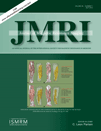
JOURNAL OF MAGNETIC RESONANCE IMAGING
metrics 2024
Shaping the Future of Medical Imaging with Excellence.
Introduction
JOURNAL OF MAGNETIC RESONANCE IMAGING (ISSN: 1053-1807; E-ISSN: 1522-2586), published by WILEY, stands as a leading academic platform in the field of Radiology, Nuclear Medicine, and Imaging. With an impressive impact factor that reflects its Q1 ranking in the respective category and a notable Scopus rank of 30 out of 333 journals, this journal serves as a critical resource for cutting-edge research and innovative practices in magnetic resonance imaging. Since its inception in 1991, it has provided a repository of high-quality research, reviews, and clinical applications aimed at enhancing the understanding and technological advancements within the imaging community. Although it does not offer Open Access, the journal's comprehensive approach ensures that professionals, researchers, and students alike can gain crucial insights and contribute significantly to the evolving landscape of medical imaging. With a commitment to excellence and relevance, the journal continues to push the boundaries of knowledge and practice in its field.
Metrics 2024
 1.343.304.40182
Metrics History
Rank 2024
Scopus
IF (Web Of Science)
JCI (Web Of Science)
Quartile History
Similar Journals
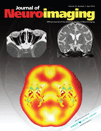
JOURNAL OF NEUROIMAGING
Charting New Territories in Medical ImagingJOURNAL OF NEUROIMAGING, published by Wiley, serves as a premier platform for advancing knowledge in the fields of neurology, radiology, and clinical imaging. With its ISSN 1051-2284 and E-ISSN 1552-6569, the journal spans influential research dating from 1991 to 2024, making it an essential resource for professionals and researchers engaged in neuroimaging. It holds a commendable position in Quartiles—ranking Q2 in both Medicine (miscellaneous) and Neurology (clinical), and Q1 in Radiology, Nuclear Medicine, and Imaging as of 2023. The journal's standing in the Scopus rankings, particularly its percentile ranks of 68th and 60th in their respective categories, underscores its impact within the academic community. Although it does not offer open access, it remains pivotal for disseminating high-quality, peer-reviewed research that enriches the understanding of neuroimaging techniques and their clinical applications. The JOURNAL OF NEUROIMAGING is an invaluable resource for scholars seeking to contribute to the evolving landscape of medical imaging and neurodiagnosis.
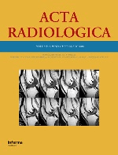
ACTA RADIOLOGICA
Transforming Medical Imaging with Groundbreaking StudiesACTA RADIOLOGICA, published by SAGE Publications Ltd, is a premier journal dedicated to the evolving field of radiology, bridging the gap between clinical practice and research from its inception in 1921 to its anticipated continuation until 2024. With an ISSN of 0284-1851 and an E-ISSN of 1600-0455, this esteemed journal holds a significant position in the academic landscape, reflected in its 2023 rankings as Q3 in several categories, including Medicine (miscellaneous), Radiological and Ultrasound Technology, and Radiology, Nuclear Medicine and Imaging. Although currently not an open-access journal, ACTA RADIOLOGICA offers robust subscription options allowing a wide readership among researchers, healthcare professionals, and students striving to stay at the forefront of radiological advancements. The journal publishes original research, reviews, and clinical studies that contribute to the understanding and application of imaging technologies, underscoring its vital role in shaping modern medical practices.

Chinese Journal of Academic Radiology
Exploring the Future of Imaging Technology and Patient OutcomesChinese Journal of Academic Radiology is a leading publication in the field of Radiology, Nuclear Medicine, and Imaging, published by SpringerNature. With an ISSN of 2520-8985 and E-ISSN 2520-8993, the journal aims to bridge the gap between academic research and practical application in radiological sciences. Recognized for its contributions to the advancement of imaging technology and patient care, it currently holds a Q3 quartile ranking for 2023. The journal has a commitment to sharing innovative research findings that address pressing challenges in the field, thereby fostering collaboration and knowledge exchange among researchers, professionals, and students. Although it does not currently offer open access options, the journal's comprehensive reviews and high-quality research articles present a significant resource for those seeking to deepen their understanding of radiological practices and innovations. The Chinese Journal of Academic Radiology continues to play a vital role in shaping the future of radiological science through rigorous scholarship and global discourse.

MAGNETIC RESONANCE MATERIALS IN PHYSICS BIOLOGY AND MEDICINE
Transforming Knowledge in Physics, Biology, and MedicineMAGNETIC RESONANCE MATERIALS IN PHYSICS BIOLOGY AND MEDICINE, published by SPRINGER, is a premier academic journal dedicated to advancing the fields of biophysics, radiology, and medical imaging. With a strong presence in Germany and an international readership, this journal has established itself as a vital resource for researchers and professionals engaged in the interdisciplinary study of magnetic resonance applications. Featuring a commendable 2023 impact factor and categorized in Q2 quartiles across several domains—including Biophysics and Radiological Technologies—this journal provides a platform for innovative research and practical implementations in the field. Although it does not follow an Open Access model, it offers extensive archives dating back to 1984, affirming its long-standing commitment to scholarly excellence. The journal not only ranks impressively within Scopus metrics, but it also promotes ongoing discourse that bridges gaps between physics, biology, and medicine, making it an essential read for professionals and students aiming to stay informed about cutting-edge developments.
BMC MEDICAL IMAGING
Elevating Standards in Diagnostic Imaging Through Open Knowledge.BMC Medical Imaging is a premier open-access journal dedicated to advancing the field of radiology, nuclear medicine, and imaging technologies. Published by BMC in the United Kingdom, this journal serves as a vital resource for researchers, clinicians, and students, fostering a collaborative environment for sharing innovative findings and methodologies in medical imaging. With a commendable impact factor and an impressive Scopus ranking within the top 35% of its category, BMC Medical Imaging provides a platform for high-quality research to be disseminated widely and freely since its inception in 2001. The journal aims to cover a diverse array of topics, from advanced imaging techniques to their clinical applications, enhancing the understanding and effectiveness of diagnostic practices. By contributing to the body of knowledge and facilitating open access to research, BMC Medical Imaging plays a pivotal role in shaping the future of medical imaging and improving patient care.
JOURNAL OF NEURORADIOLOGY
Elevating standards in neuroradiological practices.JOURNAL OF NEURORADIOLOGY is a leading peer-reviewed journal dedicated to advancing the field of neuroradiology. Published by MASSON EDITEUR, and based in France, this journal serves as a vital resource for professionals and researchers focusing on clinical neurology and various imaging technologies. With an impressive impact factor reflective of its robust contribution to the literature—ranking in the Q2 quartile across categories such as Neurology (clinical), Radiological and Ultrasound Technology, and Radiology, Nuclear Medicine and Imaging—the journal is positioned prominently within its field. Researchers can access the journal through subscription options, providing valuable insights into the latest developments, techniques, and empirical studies that shape neuroradiological practices. With its inception dating back to 1974 and coverage extending to current advancements, JOURNAL OF NEURORADIOLOGY is crucial for fostering knowledge and innovation, making it indispensable for both seasoned experts and emerging scholars alike.
NEUROIMAGING CLINICS OF NORTH AMERICA
Pioneering Research in Neuroimaging and NeurologyNEUROIMAGING CLINICS OF NORTH AMERICA is a premier peer-reviewed journal published by W B SAUNDERS CO-ELSEVIER INC, focusing on the evolving field of neuroimaging and its applications in clinical practice. Established in 1993, this journal has become a pivotal resource for researchers, professionals, and students alike, providing in-depth articles, reviews, and case studies that address both cutting-edge advancements and standard practices in neuroimaging. With its impressive credentials, ranking in the top quartiles of various medical categories—including Q2 in Medicine (Miscellaneous) and Q2 in Radiology, Nuclear Medicine, and Imaging—the journal is vital for advancing knowledge and clinical applications in the disciplines of neurology and radiology. Although it does not offer open access, the journal maintains a robust reputation with a broad readership, embodying a commitment to excellence in medical literature. The ISSN number is 1052-5149 and the E-ISSN number is 1557-9867, ensuring the accessibility and dissemination of high-quality neuroimaging research.

MAGNETIC RESONANCE IMAGING
Advancing the Frontiers of Imaging ScienceMAGNETIC RESONANCE IMAGING, published by Elsevier Science Inc, stands at the forefront of research in the fields of Biomedical Engineering, Biophysics, and Radiology, Nuclear Medicine and Imaging. Since its inception in 1982, the journal has become a vital resource, currently enjoying a Q2 ranking in its respective categories as of 2023, underscoring its influence and significance within the scientific community. With an ISSN of 0730-725X and an E-ISSN of 1873-5894, it provides an essential platform for disseminating groundbreaking studies and advancements in magnetic resonance imaging technology and applications. Researchers, professionals, and students benefit from its comprehensive articles that address both theoretical advancements and practical implementation in clinical settings. The journal's commitment to advancing knowledge is reflected in its recognition in Scopus Rankings, where it lies in the 67th percentile for Radiology, Nuclear Medicine and Imaging. By fostering an environment of critical dialogue and innovation, MAGNETIC RESONANCE IMAGING remains a cornerstone publication for those dedicated to pioneering the future of imaging science.

JACC-Cardiovascular Imaging
Driving Excellence in Cardiovascular Imaging StudiesJACC-Cardiovascular Imaging, published by Elsevier Science Inc, is a premier journal that focuses on the rapidly evolving field of cardiovascular imaging, providing a vital platform for the dissemination of high-quality research and clinical studies. With an impressive impact factor and ranking within the top tier of cardiology and radiology specialties, the journal is recognized for its commitment to advancing knowledge in diagnostic imaging techniques, including echocardiography, MRI, and CT in cardiovascular contexts. Since its inception in 2008 and converging through 2024, JACC-Cardiovascular Imaging has maintained a distinguished position, currently ranking Q1 both in Cardiology and Cardiovascular Medicine as well as in Radiology, Nuclear Medicine and Imaging. This ensures its relevance and influence, as evidenced by its Scopus rankings—ranked #2 in Radiology and #8 in Cardiology, placing it in the top echelons of scholarly output. Although it does not offer open access, the journal's content is crucial for researchers, clinicians, and students who seek to remain at the forefront of cardiovascular imaging advancements.
EUROPEAN RADIOLOGY
Elevating Standards in Radiology ResearchEUROPEAN RADIOLOGY, published by SPRINGER, stands as a prestigious international journal in the field of radiology, nuclear medicine, and imaging, with an impressive impact factor that underscores its significance among peers. With an ISSN of 0938-7994 and an E-ISSN of 1432-1084, this journal provides a platform for cutting-edge research and advancements in medical imaging from 1991 to 2024. Recognized as a Q1 journal in both general Medicine and the specialized Radiology category by 2023, EUROPEAN RADIOLOGY ranks an impressive #17 out of 333 in its field according to Scopus, placing it in the 95th percentile. While it does not currently offer Open Access options, the journal remains essential reading for researchers, professionals, and students striving to stay at the forefront of developments in diagnostic imaging and related technologies. By contributing to a comprehensive understanding of radiological practices, EUROPEAN RADIOLOGY plays a crucial role in shaping the future of medical diagnosis and patient care.