
JOURNAL OF THE METEOROLOGICAL SOCIETY OF JAPAN
metrics 2024
Unlocking Insights into Weather and Climate Dynamics
Introduction
Journal of the Meteorological Society of Japan, ISSN 0026-1165 (E-ISSN 2186-9057), is a leading academic journal published by the Meteorological Society of Japan, dedicated to advancing the field of atmospheric sciences. Established in 1905, the journal has a long-standing tradition of publishing high-quality research that contributes to our understanding of meteorology, climatology, and environmental science. As an Open Access journal since 2018, it ensures wide dissemination of knowledge, allowing researchers, professionals, and students to access cutting-edge studies without barriers. With an impressive impact factor and ranked in the Q1 category in Atmospheric Science, it is recognized for its significant contributions, currently holding a Scopus rank of #36 out of 148 in the field. The journal serves as a vital resource for those involved in meteorological research, policy-making, and education, fostering collaboration and innovation within and beyond Japan.
Metrics 2024
 1.592.402.7093
Metrics History
Rank 2024
Scopus
IF (Web Of Science)
JCI (Web Of Science)
Quartile History
Similar Journals
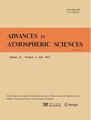
ADVANCES IN ATMOSPHERIC SCIENCES
Advancing Knowledge for a Sustainable EnvironmentADVANCES IN ATMOSPHERIC SCIENCES is a highly esteemed journal published by SCIENCE PRESS, dedicated to advancing the field of atmospheric sciences. With an impressive impact factor and ranking as Q1 in Atmospheric Science as of 2023, this journal serves as a leading platform for researchers, professionals, and students to disseminate substantial findings and innovative methodologies across various topics within the atmospheric sciences domain. Established in 1984 and continuously publishing through to 2024, it has successfully positioned itself among the top ranks, currently standing at #17 out of 148 in the Scopus category, highlighting its significance in the field with a remarkable 88th percentile. Although it operates under traditional access, the journal provides invaluable insights into climate dynamics, meteorology, and environmental processes that are crucial for both academic and practical applications. Based in Beijing, China, ADVANCES IN ATMOSPHERIC SCIENCES is committed to fostering a global dialogue and collaboration among scholars and industry experts, making it an essential resource for those invested in understanding and addressing contemporary atmospheric challenges.

Journal of Tropical Meteorology
Advancing the Science of Tropical WeatherJournal of Tropical Meteorology, published by JOURNAL OF TROPICAL METEOROLOGICAL PRESS, is a leading scholarly journal dedicated to advancing the understanding of atmospheric phenomena and meteorological patterns in tropical regions. With an ISSN of 1006-8775, this journal plays a vital role in disseminating high-quality research, focusing on critical issues such as climate variability, weather forecasting, and tropical cyclone dynamics. The journal, which is indexed in Scopus with a respectable rank in the low quartile of Q3 in Atmospheric Science, aims to provide a platform for researchers and professionals to share groundbreaking insights and foster collaboration within the scientific community. Although it follows a traditional access model, the Journal of Tropical Meteorology encourages submissions from a diverse range of disciplines, thus enriching the field with a variety of perspectives. By bridging theory and practical applications, this journal serves as an essential resource for students, researchers, and practitioners striving to expand their knowledge and contribute to the global conversation on meteorology.
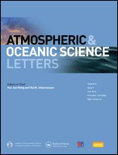
Atmospheric and Oceanic Science Letters
Exploring the Frontiers of Atmospheric and Oceanic ResearchAtmospheric and Oceanic Science Letters is a premier open-access journal dedicated to the rapidly evolving fields of atmospheric science and oceanography. Published by KEAI PUBLISHING LTD, this journal aims to foster research dissemination and collaboration by providing a platform for high-quality research articles, reviews, and case studies that address critical issues impacting atmospheric and oceanic systems. With an impressive impact factor reflecting its esteemed position—including being ranked Q2 in Atmospheric Science and Q1 in Oceanography in 2023—this journal is an essential resource for researchers, professionals, and students alike. The journal's Open Access model, adopted since 2016, ensures that groundbreaking research is readily available to a global audience, enhancing knowledge transfer and facilitating innovative solutions to environmental challenges. Operating out of the United Kingdom and reaching an international readership, Atmospheric and Oceanic Science Letters plays a pivotal role in shaping our understanding of the interactions between the atmosphere and oceans, making it a vital publication for anyone aiming to stay at the forefront of these dynamic scientific fields.

Journal of Southern Hemisphere Earth Systems Science
Unveiling Insights into Southern Hemisphere Environmental Dynamics.The Journal of Southern Hemisphere Earth Systems Science, published by CSIRO PUBLISHING, stands as a pivotal resource for researchers and professionals in the fields of Atmospheric Science, Global and Planetary Change, and Oceanography. Established in 2016 and operating under an Open Access model since 2019, this journal provides a platform for innovative research and critical discourse on earth systems in the Southern Hemisphere. It has achieved impressive rankings with a Q1 classification across key disciplines and is recognized in Scopus with significant percentile rankings, showcasing its influence and relevance within the scientific community. The journal is dedicated to fostering scholarship that addresses the complex interactions of earth systems, offering valuable insights for those engaged in environmental science and sustainability initiatives. Its commitment to facilitating open access resources makes it an invaluable tool for researchers and students alike, striving to enhance our understanding of global environmental changes.

Mausam
Fostering Scientific Inquiry in Earth's Dynamic SystemsMausam, an esteemed publication by the India Meteorological Department, serves as a pivotal platform for advancing research in the fields of atmospheric science and geophysics. With its origins tracing back to 1979, this journal has consistently provided valuable insights into weather patterns, climatic variations, and geophysical phenomena, making it a crucial resource for researchers and professionals in Earth and Planetary Sciences. Although it currently holds a Q4 rating in Atmospheric Science and Q3 in Geophysics as of 2023, the journal's commitment to rigorous scientific exploration fosters an enriching environment for emerging studies. The journal is indexed in Scopus with specific rankings highlighting its scope, ranking #116 out of 165 in Geophysics, and #130 out of 148 in Atmospheric Science. This reflects a growing global interest in the journal's contributions to vital areas of scientific inquiry. While Mausam is not available as an open-access journal, it remains accessible to a wide audience, providing critical research that informs both local and global meteorological practices. Researchers, students, and professionals alike are encouraged to engage with its rich archive, as it continues to evolve to meet the needs of the scientific community.
JOURNAL OF THE ATMOSPHERIC SCIENCES
Transforming Knowledge into Atmospheric UnderstandingJOURNAL OF THE ATMOSPHERIC SCIENCES, published by the American Meteorological Society, stands as a premier resource for the latest research in atmospheric sciences. With an impressive impact factor and a Q1 ranking in the Atmospheric Science category for 2023, this journal is recognized for its rigorous peer-reviewed articles that contribute to the understanding and advancement of weather, climate, and dynamics of the atmosphere. Established in 1969, the journal has maintained high academic standards and delivers valuable insights spanning over five decades, thus catering to an audience of researchers, professionals, and students alike. Although it does not offer open-access options, it provides critical access through various institutional subscriptions, ensuring that significant research findings are disseminated widely within the scientific community. The journal's address is located at 45 Beacon St, Boston, MA 02108-3693, United States, and it accepts submissions and articles until 2024, continuing its legacy of excellence in atmospheric research.
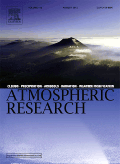
Atmospheric Research
Elevating Knowledge in Atmospheric ResearchAtmospheric Research is a premier journal published by Elsevier Science Inc, specializing in the field of Atmospheric Science. With a commendable impact factor, it holds a distinguished position in the Scopus rankings, being placed 14th out of 148 journals within its category and achieving a remarkable 90th percentile rank. This journal serves as a vital outlet for rigorous research on atmospheric processes, climate variability, and meteorological phenomena, providing a platform for scientists, researchers, and students to disseminate their findings and contribute to the advancement of knowledge in this critical field. Although it is not an open-access journal, its strong reputation and selective publication criteria ensure that only high-quality and impactful studies are featured. Since its inception in 1986, Atmospheric Research has continuously evolved to meet the dynamic nature of atmospheric studies, making it a fundamental resource for anyone engaged in understanding and addressing atmospheric challenges worldwide.
SOLA
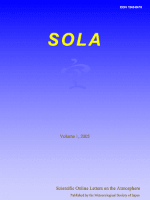
Fostering global dialogue in atmospheric phenomena.SOLA is a distinguished journal published by the Meteorological Society of Japan, focusing on cutting-edge research in the field of atmospheric science. Since transitioning to an Open Access model in 2018, SOLA aims to facilitate the dissemination of knowledge and foster collaboration among researchers from around the globe. With a proud history spanning from 2005 to 2024, the journal has earned a reputation for high-quality publications, achieving a Q1 ranking in Atmospheric Science according to the 2023 category quartiles. Although its H-Index is currently not available, SOLA is recognized in Scopus rankings, standing at #82 out of 148 in Earth and Planetary Sciences, demonstrating its impact in the field. With its headquarters in Tokyo, Japan, and an unwavering commitment to advancing scientific understanding, SOLA serves as an essential resource for researchers, professionals, and students dedicated to exploring the complexities of atmospheric phenomena.
Journal of Meteorological Research
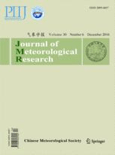
Fostering Innovation in Atmospheric and Oceanic Research.The Journal of Meteorological Research, published by SPRINGER HEIDELBERG, stands as a vital resource in the fields of Atmospheric Science and Ocean Engineering, boasting an impressive impact factor that reflects its scholarly significance. With its ISSN 2095-6037 and E-ISSN 2198-0934, the journal offers an open access platform, fostering accessibility and dissemination of cutting-edge research. Established in 2014 and running through to 2024, it is particularly distinguished in 2023 as Q2 in Atmospheric Science and Q1 in Ocean Engineering, underscoring its important contributions to these disciplines, with remarkable rankings in Scopus that place it in the top tiers of both categories. The journal accepts a broad range of research articles, reviews, and innovative methodologies, catering to a diverse audience of researchers, professionals, and students eager to advance their knowledge and expertise in meteorological studies. This makes the Journal of Meteorological Research an essential platform for anyone engaged in understanding and addressing the complex challenges of our changing climate.
THEORETICAL AND APPLIED CLIMATOLOGY
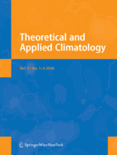
Exploring Theories and Applications in ClimatologyTHEORETICAL AND APPLIED CLIMATOLOGY is a prestigious international journal published by Springer Wien, dedicated to advancing knowledge in the field of climatology and atmospheric sciences. With an ISSN of 0177-798X and an E-ISSN of 1434-4483, this journal serves as a vital platform for researchers and professionals to disseminate essential findings and theoretical advancements in climate studies. Notably ranking in the Q2 category of Atmospheric Science with a Scopus rank of #44 out of 148, it holds a significant 70th percentile position in the field, underscoring its reputation and impact within the academic community. An established publication since 1986, it attracts contributions that explore both theoretical frameworks and applied methodologies, enhancing climate-related policymaking and real-world applications. As a non-open access journal, it provides depth and rigor in its peer-reviewed articles, making it an essential read for anyone engaged in climatology research, whether you are a seasoned expert or an emerging scholar eager to contribute to this dynamic field.