
Journal of Micro-Bio Robotics
metrics 2024
Fostering Collaboration Across Disciplines in Robotics
Introduction
The Journal of Micro-Bio Robotics, published by SPRINGER HEIDELBERG, is an esteemed periodical dedicated to the dynamic intersection of robotics and biological systems. With an ISSN of 2194-6418 and an E-ISSN of 2194-6426, this journal spans a broad spectrum of interdisciplinary research from 2013 to 2024, reflecting its commitment to advancing knowledge in fields such as biomedical engineering, biotechnology, electrical and electronic engineering, materials science, and mechanical engineering. This journal holds a Q4 ranking in Biomedical Engineering and a Q3 ranking in several other critical categories, demonstrating its growing influence within the scientific community. The journal serves as a vital resource for researchers, professionals, and students aiming to explore cutting-edge developments in micro-bio robotics, providing a platform for high-impact research that helps facilitate innovation and collaboration in this emerging field. While currently not offering Open Access options, the journal's rigorous peer-review process ensures the highest quality of published work, making it an essential tool for anyone looking to stay abreast of advancements in micro-bio robotic technology.
Metrics 2024
 0.231.601.5022
Metrics History
Rank 2024
Scopus
IF (Web Of Science)
JCI (Web Of Science)
Quartile History
Similar Journals

Cyborg and Bionic Systems
Connecting Minds: Where AI Meets Biomedical InnovationCyborg and Bionic Systems, published by the American Association for the Advancement of Science, stands as a pivotal open access journal that has enriched the academic landscape since its inception in 2020. With an E-ISSN of 2692-7632, this journal focuses on interdisciplinary research that converges on advances in Artificial Intelligence, Biomedical Engineering, Human-Computer Interaction, and Mechanical Engineering. Notably, the journal has attained impressive rankings, securing Q1 status across these categories and exhibiting a commendable Scopus ranking with percentile standouts in each discipline, thus establishing its influence and relevance in the scientific community. Based in Washington, DC, this journal provides a platform for innovative ideas and findings that aim to enhance our understanding of cyborg systems and bionic devices. The open access model ensures that groundbreaking research is readily available to researchers, professionals, and students alike, fostering collaboration and knowledge dissemination within these rapidly evolving fields.
Micro and Nano Systems Letters
Fostering Global Collaboration in Cutting-edge ResearchMicro and Nano Systems Letters, published by SPRINGERNATURE, is a prominent peer-reviewed journal dedicated to advancing the field of micro and nanosystems, with a special focus on biomaterials and biomedical engineering. Since its inception in 2013, this Open Access journal has provided a vital platform for researchers and practitioners to disseminate innovative findings and share insights that contribute to the growing body of knowledge in these rapidly evolving disciplines. With a remarkable impact reflected in its Q1 quartile rankings in both biomaterials and biomedical engineering, and impressive Scopus ranks placing it within the top tier of its fields, Micro and Nano Systems Letters plays a critical role in fostering collaboration and knowledge exchange among scientists and engineers worldwide. The journal is accessible globally, ensuring that research is widely disseminated and impacting a diverse audience to drive progress in technology and healthcare solutions.
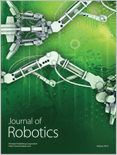
Journal of Robotics
Transforming Ideas into Robotic RealitiesJournal of Robotics, published by HINDAWI LTD, is a premier open-access journal dedicated to the rapidly evolving field of robotics. With its ISSN 1687-9600 and E-ISSN 1687-9619, the journal has been an essential resource for researchers, professionals, and students since its establishment in 2009. Based in England, the journal not only aims to disseminate cutting-edge research but also provides a platform for critical discussions on the latest advancements in robotics. Recognized for its quality, the journal holds a Q2 ranking in Computer Science (miscellaneous) and a Q3 ranking in Control and Systems Engineering for the year 2023. Spanning topics from autonomous systems to robotic engineering, the Journal of Robotics is indexed in various esteemed databases, making it a credible source for innovative research. The journal's commitment to open access ensures that its research reaches a broad audience, encouraging collaboration and driving forward the boundaries of technology and engineering.
JOURNAL OF INTELLIGENT & ROBOTIC SYSTEMS
Pioneering Research in Robotics and AIJOURNAL OF INTELLIGENT & ROBOTIC SYSTEMS, published by Springer, is a premier interdisciplinary journal that focuses on the rapidly evolving fields of artificial intelligence, robotics, and their applications across various engineering domains. With an impressive impact factor and ranked in the Q1 and Q2 quartiles of multiple relevant categories—including Electrical and Electronic Engineering, Control and Systems Engineering, and Mechanical Engineering—this journal is essential for researchers, industry professionals, and graduate students seeking to stay at the forefront of innovation in intelligent systems. The journal publishes high-quality research articles, reviews, and technical notes that contribute to advancing theory, practice, and the integration of intelligent robotic systems better suited to meet contemporary challenges. Founded in 1988, and with a robust indexing in Scopus, the journal continues to foster scholarly discourse and serves as a critical resource for those passionate about the future of intelligent technologies, despite not currently providing open access options.

ROBOMECH Journal
Advancing Robotics and Mechanical Engineering through Open ResearchROBOMECH Journal, published by SpringerNature, is a prominent open-access journal dedicated to the fields of robotics, mechanical engineering, and artificial intelligence. Established in 2014, the journal has quickly established itself as a vital platform for disseminating innovative research in control and optimization, instrumentation, and modeling and simulation, earning a commendable Q2 ranking in Mechanical Engineering and multiple Q3 rankings across other relevant fields in 2023. With a commitment to facilitating accessible knowledge sharing, ROBOMECH Journal promotes cutting-edge research that drives advancements in both theoretical frameworks and practical applications within the robotics community. Scholars, engineers, and professionals seeking to contribute to or stay informed about the latest developments in these dynamic fields will find the journal's rich array of articles invaluable. With its open-access model, all published research is freely available, ensuring wide dissemination and increased visibility for authors, thus fostering collaboration and innovation across disciplines.

Intelligent Service Robotics
Exploring Frontiers: Bridging AI and Robotics for a Smarter WorldIntelligent Service Robotics, published by SPRINGER HEIDELBERG, is a leading journal that focuses on the transformative intersection of intelligent systems and robotics, establishing itself as a pivotal resource for researchers, professionals, and students in the fields of Artificial Intelligence, Computational Mechanics, and Mechanical Engineering. With an impressive impact factor reflective of its relevance—featuring a 2023 Q1 ranking in Computational Mechanics and Mechanical Engineering, and Q2 in Artificial Intelligence—this journal disseminates high-quality, peer-reviewed research that propels innovation and application in various engineering disciplines. Operating from its headquarters in Heidelberg, Germany, Intelligent Service Robotics aims to foster a dynamic academic community, encouraging open dialogue and collaboration among thought leaders and emerging scholars alike. The journal invites submissions that provide novel insights and solutions in the rapidly evolving landscape of service robotics, ensuring that it remains at the forefront of scientific discourse. With a converged publication timeline from 2008 to 2024 and robust Scopus rankings, the journal is committed to shaping the future of robotic intelligence and its applications.
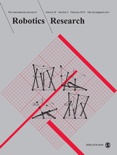
INTERNATIONAL JOURNAL OF ROBOTICS RESEARCH
Transforming Theoretical Concepts into Practical ApplicationsINTERNATIONAL JOURNAL OF ROBOTICS RESEARCH (ISSN: 0278-3649, E-ISSN: 1741-3176), published by SAGE PUBLICATIONS LTD, is a leading journal in the fields of robotics and engineering. With an impressive impact factor and recognized as a Q1 journal in various categories including Applied Mathematics, Artificial Intelligence, Electrical and Electronic Engineering, Mechanical Engineering, Modeling and Simulation, and Software, it has established itself as an essential resource for researchers and practitioners alike. The journal covers a wide array of topics relevant to the advancing disciplines of robotics, ensuring comprehensive perspectives on both theoretical and practical applications. Notably, it ranks at the top percentile in Scopus rankings across multiple fields, which underscores its significance in the research community. Published continuously since 1982, the journal invites submissions that push the boundaries of robotics research, offering a platform for innovative ideas and solutions that address complex engineering problems. While it operates under a subscription model, its vast reach and reputation make it an invaluable resource for advancing knowledge in robotics.

Bioinspiration & Biomimetics
Emulating Nature, Advancing InnovationBioinspiration & Biomimetics is a premier journal published by IOP Publishing Ltd, specializing in the innovative study of biological inspiration across various scientific disciplines. Since its inception in 2006, this journal has been a vital platform for researchers who aim to emulate nature's processes in engineering, biochemistry, and medicine. With an impressive classification in the Q1 and Q2 quartiles across categories such as Biophysics and Engineering as of 2023, it ranks highly within the Scopus database, including a notable 81st percentile ranking in Engineering (miscellaneous). While currently not offered as an open-access publication, Bioinspiration & Biomimetics continues to deepen the understanding of biomimetic applications, encouraging interdisciplinary collaboration and innovative solutions to complex challenges in both academia and industry. Researchers and professionals seeking to drive forward the future of sustainable technologies will find this journal an invaluable resource for the latest advancements and insights in the field.

Journal of Bionic Engineering
Fostering Interdisciplinary Collaboration for Real-World ImpactJournal of Bionic Engineering is a prominent publication in the field of bioengineering, biophysics, and biotechnology, published by Springer Singapore Pte Ltd. Since its inception in 2006, this journal has provided a vital platform for researchers and professionals to disseminate groundbreaking work and innovative approaches in the rapidly evolving realm of bionic systems and biomimetic technologies. With an impact factor that reflects its quality and relevance, it is currently positioned in the Q2 quartile across several key categories, underscoring its substantial influence in academia. The journal is indexed in Scopus, where it ranks competitively in biochemistry, genetics, molecular biology, and chemical engineering, showcasing its appeal to a broad spectrum of scientific disciplines. Although it does not offer open access, it remains a critical resource for those engaged in advanced research and development, fostering connections among scholars, practitioners, and educators dedicated to pushing the boundaries of bionic engineering. As the journal continues to converge from 2006 to 2024, it aims to uphold its mission of promoting interdisciplinary research that contributes to the understanding and application of bionic technologies in solving real-world challenges.
Journal of Field Robotics
Advancing Robotic Solutions for Complex ChallengesJournal of Field Robotics, published by WILEY, is an esteemed peer-reviewed journal focusing on the cutting-edge developments in the area of robotics applied to real-world environments. With an ISSN of 1556-4959 and an E-ISSN of 1556-4967, this journal serves as a vital platform for researchers and professionals keen on advancing the fields of Computer Science Applications and Control and Systems Engineering, where it has earned a prestigious Q1 ranking in both categories as of 2023. The journal, which converges in its studies from 2006 to 2024, showcases original research that enhances the understanding and implementation of robotic systems in various fields, thus promoting innovative solutions to complex challenges. Access to the journal is through subscription-based options, ensuring a rigorous selection of high-quality research articles, reviews, and technical notes that contribute significantly to the academic community. With a solid Scopus ranking—39th out of 817 in Computer Science Applications and 17th out of 321 in Control and Systems Engineering, both in the 95th and 94th percentiles respectively—Journal of Field Robotics is essential reading for anyone interested in the future of robotics technologies and their transformative impact.