
Journal of Mining Institute
Scope & Guideline
Transforming Challenges into Opportunities in Earth Sciences
Introduction
Aims and Scopes
- Mining Engineering and Technology:
Research in this area focuses on innovative methods and technologies for mining operations, including extraction techniques, equipment optimization, and operational efficiencies. - Geological Studies and Resource Assessment:
The journal publishes studies on geological formations, mineral deposits, and the assessment of recoverable resources, contributing to better understanding and utilization of mineral wealth. - Environmental Impact and Sustainability:
An important scope of the journal is the investigation of the environmental impacts of mining activities, including pollution control, waste management, and rehabilitation of disturbed areas. - Geomechanics and Rock Mechanics:
This area covers studies on the behavior of rock masses, stability analysis, and the mechanics of excavation, essential for safe and efficient mining practices. - Hydrometallurgy and Mineral Processing:
The journal includes research on the extraction of metals from ores, focusing on process optimization and the development of new technologies for mineral processing. - Waste Management and Resource Recovery:
Research on the management of mining waste, recycling of materials, and the development of sustainable practices in resource recovery is a critical focus of the journal. - Energy Efficiency and Technological Innovations:
Emphasis on improving energy efficiency in mining operations and the introduction of innovative technologies that enhance productivity and sustainability.
Trending and Emerging
- Sustainable Mining Practices:
There is a significant increase in studies dedicated to sustainable mining methods, focusing on minimizing environmental impact and promoting responsible resource management. - Advanced Computational and Analytical Methods:
The use of machine learning, artificial intelligence, and advanced modeling techniques in mining operations is on the rise, indicating a trend towards data-driven decision-making. - Waste Management Innovations:
Research on innovative strategies for managing mining waste, including recycling and recovery of valuable materials, is becoming a prominent theme in recent publications. - Environmental Remediation Techniques:
Emerging themes around environmental cleanup and remediation efforts are gaining attention, particularly in relation to the impacts of mining on ecosystems. - Energy Management and Efficiency:
There is a growing focus on energy efficiency in mining operations, with studies exploring renewable energy integration and optimization of energy use in mining processes. - Geomechanical Modeling and Risk Assessment:
Enhanced focus on geomechanical modeling and risk assessment techniques is evident, as these are crucial for ensuring safety and stability in mining operations. - Circular Economy in Mining:
Research addressing the principles of the circular economy within the mining sector, including resource recovery and sustainable practices, is increasingly prevalent.
Declining or Waning
- Traditional Mining Methods:
There has been a noticeable decrease in papers focusing solely on conventional mining techniques as the industry increasingly shifts towards more advanced and sustainable practices. - Geological Mapping Techniques:
Research specifically centered on traditional geological mapping techniques appears to be waning, possibly due to the rise of more sophisticated geophysical and remote sensing methods. - Basic Mineralogy Studies:
Basic studies in mineralogy are less frequently addressed, as the journal seems to favor applied research that directly impacts mining operations and technologies. - Historical Mining Practices:
There is a decline in discussions surrounding historical mining practices, suggesting a move towards contemporary challenges and innovations rather than historical analysis. - Non-renewable Resource Exploitation:
Research focused exclusively on the exploitation of non-renewable resources without consideration of sustainability and environmental impact is becoming less prevalent.
Similar Journals
Mineral Economics
Shaping the Future of Mineral EconomicsMineral Economics is a leading interdisciplinary journal published by SPRINGER HEIDELBERG, focusing on the economic aspects of mineral resources and their sustainable use. Established in 2011, this journal aims to facilitate the exchange of research on the economics of mineral exploration, extraction, and usage, addressing global challenges such as resource scarcity, environmental impacts, and policy implications. With impressive rankings placing it in the Q2 category of Economic Geology, Economics, Econometrics, and Finance, as well as Geography and Social Sciences, it occupies a vital space in academic discourse. Notably, the journal ranks in the 90th percentile in Social Sciences and 82nd percentile in Economics, indicating its relevance and scholarly impact. The journal is available without open access restrictions, ensuring that high-quality research is accessible to a broad audience. With an evolving publication timeline slated through 2024, Mineral Economics is an essential resource for researchers, practitioners, and students committed to advancing knowledge in the economics of mineral resources.

Journal of Sustainable Mining
Leading the charge in sustainable mining research.Journal of Sustainable Mining, published by the Glowny Instytut Gornictwa in Poland, is a premier open-access journal dedicated to advancing research in the field of sustainable mining practices. Since its inception in 2013, this journal has been a vital resource for specialists in Environmental Engineering, Geology, and Geotechnical Engineering, with an increasing focus on sustainability within these disciplines. With its current rankings placing it in the Q3 category across multiple related fields, the journal aims to foster innovation by disseminating high-quality, peer-reviewed research essential for the development of environmentally friendly mining solutions. Notably, it is indexed in Scopus, catering to a global audience of researchers, professionals, and students interested in sustainable practices that minimize environmental impact. As it continues to converge until 2024, the Journal of Sustainable Mining plays an integral role in shaping the discourse around responsible resource extraction, making it a must-read for anyone invested in the future of mining and environmental stewardship.

Boletin de Ciencias de la Tierra
Advancing Knowledge in Earth and Planetary SciencesBoletin de Ciencias de la Tierra is a distinguished open-access journal dedicated to the field of Earth and Planetary Sciences, published by the Universidad Nacional de Colombia, Sede Medellín. Since its transition to open access in 2006, it has become an essential platform for disseminating high-quality research that addresses critical geological and environmental issues pertinent to Latin America and beyond. With an ISSN of 0120-3630 and an E-ISSN of 2357-3740, the journal aims to promote scientific dialogue and share innovative findings in various areas including geology, geochemistry, and environmental sciences. Although it currently holds a Scopus rank of #184 in the General Earth and Planetary Sciences category, indicating a percentile of only 5, Boletin de Ciencias de la Tierra is committed to fostering a rich academic discourse and enhancing the visibility of scholarly works. Situated in Medellín, Colombia, the journal serves as a vital resource for researchers, professionals, and students looking to explore advancements and participate in the global conversation on Earth sciences.
JOURNAL OF MINING SCIENCE
Elevating Standards in Geotechnical Research and DevelopmentJOURNAL OF MINING SCIENCE, published by PLEIADES PUBLISHING INC, is a leading platform for research and development in the fields of geology, geotechnical engineering, and engineering geology. With an ISSN of 1062-7391 and E-ISSN of 1573-8736, this journal has established itself as a notable contributor to the mining and earth sciences communities since its inception in 1991. The journal is indexed in prestigious databases and currently holds a Q3 ranking in both geology and geotechnical engineering categories, recognizing the impact and quality of the research it publishes. Although it does not offer open access, it provides extensive insights from cutting-edge studies that appeal to researchers, professionals, and students alike. The Journal of Mining Science aims to disseminate significant advancements in mining technology and its environmental implications, promoting sustainability and innovation within the industry. With its comprehensive scope and commitment to excellence, this journal serves as an invaluable resource for stakeholders in academia and industry striving to enhance their knowledge and practices in mining science.

Minerals
Empowering researchers to shape the future of mineral sciences.Minerals, an esteemed open-access journal published by MDPI, has been at the forefront of advancing knowledge in the fields of geology, geotechnical engineering, and engineering geology since its inception in 2011. With an E-ISSN of 2075-163X, this journal aims to foster innovative research and disseminate critical findings that influence both academia and industry practices. Based in Switzerland, Minerals has made significant strides in its impact, evidenced by its 2023 Scopus rankings placing it in the 74th percentile in Geology and 63rd percentile in Geotechnical Engineering. The journal, which will continue to publish until 2024, encourages submissions that explore the multifaceted aspects of mineral sciences, highlighting the importance of sustainable practices and advancements in technology. Researchers, professionals, and students are invited to engage with this vital resource, which not only contributes to the expansion of geological knowledge but also supports the global understanding of mineral resources.

Journal of the Southern African Institute of Mining and Metallurgy
Pioneering Research for a Sustainable Future.The Journal of the Southern African Institute of Mining and Metallurgy (ISSN: 2225-6253; E-ISSN: 2411-9717), published by the Southern African Institute of Mining and Metallurgy, stands as a pivotal resource in the fields of mining and metallurgy, with a particular focus on geotechnical engineering and materials chemistry. Since its inception in 1969, this Open Access journal has aimed to disseminate high-quality research that addresses pressing challenges and innovations within these industries. With its categorization in the Q3 quartile for 2023 across multiple disciplines, including Geotechnical Engineering, Materials Chemistry, and Metals and Alloys, the journal has established a notable presence in the academic community. Researchers and practitioners can explore a wide array of studies and insights, enhancing their understanding of new methodologies and advancements. Based in South Africa, this journal not only reflects regional developments but also connects with global trends, making it an essential platform for knowledge exchange among researchers, professionals, and students eager to contribute to the advancement of mining and metallurgical sciences.
MINERALS ENGINEERING
Empowering the Future of Engineering Through ResearchMINERALS ENGINEERING, an esteemed journal published by PERGAMON-ELSEVIER SCIENCE LTD, is at the forefront of disseminating cutting-edge research in the fields of minerals processing, geotechnical engineering, and control systems. Since its inception in 1988, this journal has become a pivotal platform for researchers, professionals, and students alike, offering insights and advancements that contribute significantly to both academia and industry. With a strong emphasis on interdisciplinary approaches, MINERALS ENGINEERING is ranked in the top quartile (Q1) for multiple engineering categories, including Mechanical Engineering and Geotechnical Engineering, highlighting its relevance and influence in the global scientific community. Although not an open access journal, it provides comprehensive analyses and robust methodologies that are critical for advancing technological innovations and environmental sustainability within engineering. Researchers can rely on this journal to stay informed about the latest developments, trends, and challenges they face in the field, ensuring they are at the forefront of minerals engineering research.

Applied Earth Science-Transactions of the Institutions of Mining and Metallurgy
Pioneering Research for Practical Earth Science ApplicationsApplied Earth Science - Transactions of the Institutions of Mining and Metallurgy, published by SAGE Publications Inc, is a vital academic journal located in the United Kingdom that seeks to illuminate the intricate relationship between earth sciences and the mining and metallurgy industries. With an ISSN of 2572-6838 and an E-ISSN of 2572-6846, the journal features peer-reviewed research encompassing various subfields such as Geochemistry, Petrology, and Geotechnical Engineering. As an open-access journal, it ensures that cutting-edge findings are readily available, promoting broad access to knowledge crucial for professionals, researchers, and students alike. With its convergence of research years from 2018 to 2024, the journal maintains a Q3 ranking in Earth and Planetary Sciences and Q4 rankings in Geochemistry and Petrology as well as Geotechnical Engineering, which demonstrates its emerging influence in these disciplines. The journal not only provides a platform for innovative research but also addresses practical challenges faced within the field, making it essential reading for those engaged in the applied earth sciences.

Mining of Mineral Deposits
Bridging Knowledge Gaps in Earth SciencesMining of Mineral Deposits, published by the NATIONAL MINING UNIVERSITY in Ukraine, stands as a pivotal journal in the fields of engineering and earth sciences, evidenced by its commendable rankings across various categories, including a Q1 classification in Engineering (miscellaneous) and notable placements in Geochemistry and Geotechnical Engineering (Q2) for 2023. With an ISSN of 2415-3435 and E-ISSN 2415-3443, this journal provides a dedicated platform for researchers, professionals, and students alike to disseminate significant findings pertaining to mineral deposits and mining technologies. The journal has evolved over the years, bridging vital research gaps since its inception in 2016, and aims to enhance knowledge and collaboration within the mining community. Although it operates under limited access options, its rigorous peer-review process ensures that only high-quality research is published, all contributing to its respectable impact factor and visibility in the academic landscape. Located in Dnipropetrovsk, this journal not only serves as a repository of knowledge but also promotes advancements in sustainable mining practices and resource management, making it an essential resource for those engaged in mineral exploration and extraction.
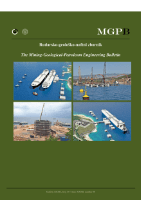
Rudarsko-Geolosko-Naftni Zbornik
Pioneering Research in Natural Resource ManagementRudarsko-Geolosko-Naftni Zbornik, the esteemed journal published by the University of Zagreb's Faculty of Mining, Geology and Petroleum Engineering, serves as a vital platform for advancing knowledge in the fields of Earth sciences, energy, and geology. With an ISSN of 0353-4529 and an E-ISSN of 1849-0409, this open-access journal has been disseminating high-quality research since 1989, contributing significantly to scientific discourse in Croatia and beyond. As of 2023, it holds an impressive categorization in various quartiles, notably achieving Q2 in Earth and Planetary Sciences and Q3 in several related domains, showcasing its relevance and impact within the academic community. The journal's commitment to quality is reflected in its Scopus rankings, placing it in competitive positions across diverse disciplines. Researchers, professionals, and students alike will find invaluable resources and insights that foster innovation and collaboration in their respective fields, making Rudarsko-Geolosko-Naftni Zbornik an essential read for those dedicated to exploring the complexities of natural resources and environmental challenges.