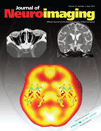
JOURNAL OF NEUROIMAGING
metrics 2024
Elevating Standards in Neuroimaging Research
Introduction
JOURNAL OF NEUROIMAGING, published by Wiley, serves as a premier platform for advancing knowledge in the fields of neurology, radiology, and clinical imaging. With its ISSN 1051-2284 and E-ISSN 1552-6569, the journal spans influential research dating from 1991 to 2024, making it an essential resource for professionals and researchers engaged in neuroimaging. It holds a commendable position in Quartiles—ranking Q2 in both Medicine (miscellaneous) and Neurology (clinical), and Q1 in Radiology, Nuclear Medicine, and Imaging as of 2023. The journal's standing in the Scopus rankings, particularly its percentile ranks of 68th and 60th in their respective categories, underscores its impact within the academic community. Although it does not offer open access, it remains pivotal for disseminating high-quality, peer-reviewed research that enriches the understanding of neuroimaging techniques and their clinical applications. The JOURNAL OF NEUROIMAGING is an invaluable resource for scholars seeking to contribute to the evolving landscape of medical imaging and neurodiagnosis.
Metrics 2024
 0.792.302.3073
Metrics History
Rank 2024
Scopus
IF (Web Of Science)
JCI (Web Of Science)
Quartile History
Similar Journals

Neurobiology of Language
Pioneering research that transforms our grasp of language processing.Neurobiology of Language, published by MIT Press, is a premier scholarly journal dedicated to pioneering research at the intersection of linguistics and neuroscience. As part of the prestigious Q1 quartile in both Linguistics and Neurology, this journal not only ranks in the top tier of its fields—placing 41st out of 1167 in Linguistics and 57th out of 192 in Neurology according to Scopus—but also serves as a vital platform for innovative studies that explore the complexities of language from a neurobiological perspective. Though offered under a traditional subscription model, the journal ensures accessibility to groundbreaking research that is crucial for advancing our understanding of how language is processed and represented in the brain. With a focus on works produced between 2020 and 2024, the Neurobiology of Language is committed to disseminating influential and transformative research that shapes the future of cognitive science, language development, and neuropsychology, making it an essential resource for researchers, professionals, and students alike.

PSYCHIATRY RESEARCH-NEUROIMAGING
Pioneering Research at the Intersection of Mind and MachinePSYCHIATRY RESEARCH-NEUROIMAGING, published by Elsevier Ireland Ltd, stands at the intersection of neuroscience, psychiatry, and medical imaging, specializing in the latest advancements in neuroimaging techniques and their applications in psychiatric research. With a robust history since 1990, this esteemed journal features original research, reviews, and case studies that contribute significantly to the understanding of brain function in mental health disorders. Holding a notable Impact Factor and classified in Q2 for the fields of Neuroscience and Psychiatry and Q1 for Radiology, it serves as a vital resource for scholars and practitioners seeking to advance their knowledge in these domains. The journal is indexed in major databases, enhancing visibility and accessibility for global researchers. While it currently does not follow an open-access model, its reputable standing in Scopus ranks, alongside its targeted scope, makes it indispensable for those invested in neuroimaging research and its implications in psychiatry.

Brain Imaging and Behavior
Unlocking Potential: Pioneering Research in Brain ImagingBrain Imaging and Behavior is a premier journal published by SPRINGER, dedicated to advancing the understanding of the relationship between brain function and behavior through innovative imaging techniques. Since its inception in 2007, the journal has provided a crucial platform for researchers and professionals in fields such as Behavioral Neuroscience, Cognitive Neuroscience, and Psychiatry and Mental Health. With an impressive ranking within the Q1 category in Radiology, Nuclear Medicine and Imaging and maintaining strong Q2 status in several other categories, the journal is positioned as a leading resource for groundbreaking research. The journal aims to disseminate high-quality studies that explore neurobiological underpinnings of behavior, utilizing cutting-edge imaging technologies. Although it is not an open-access journal, the visibility and impact of published works in Brain Imaging and Behavior continue to influence the scientific community significantly, underscoring the critical intersection between imaging science and neuroscience.

RADIOLOGY
Fostering knowledge for the next generation of radiologists.RADIOLOGY, published by the Radiological Society of North America (RSNA), stands as a premier journal in the fields of radiology, nuclear medicine, and imaging. Established in 1945, this esteemed journal has consistently provided groundbreaking research and insights, helping to shape advancements in diagnostic imaging and therapeutic interventions. With a commendable Q1 ranking in its category and a remarkable 99th percentile ranking in Scopus, RADIOLOGY continues to be a pivotal resource for clinicians, researchers, and students alike. Although not an Open Access journal, it offers a wealth of high-quality peer-reviewed articles that contribute significantly to the ongoing discourse in the medical community. With a strong focus on innovative techniques and the integration of new technologies, RADIOLOGY remains essential for professionals aiming to stay at the forefront of medical imaging practices.

Archives of Neuroscience
Connecting research and therapy for neurological breakthroughs.Archives of Neuroscience is a multidisciplinary journal dedicated to advancing the field of neuroscience through the publication of original research articles, review papers, and case studies. Published by BRIEFLAND, this journal aims to bridge the gap between neuroscience research and clinical applications, fostering a deeper understanding of brain function, neurological disorders, and potential therapeutic approaches. With an ISSN of 2322-3944 and an E-ISSN of 2322-5769, Archives of Neuroscience serves as an essential platform for researchers, professionals, and students alike, encouraging open access to knowledge and insights that drive innovation in the field. Although coverage was discontinued in Scopus from 2016 to 2017, the journal continues to uphold rigorous standards of academic excellence, making it a valuable resource for the neuroscience community seeking to explore and disseminate new findings. The journal is committed to providing timely access to research tools and findings that are crucial for informed decision-making in both academic and clinical settings.

Clinical Neuroradiology
Empowering Professionals with the Latest in Neuroradiology.Clinical Neuroradiology, published by SPRINGER HEIDELBERG, is a leading journal in the fields of neurology and radiology, focusing on the intersection of clinical practice and cutting-edge imaging technologies. With an impressive impact factor and categorized within Q2 in Neurology (clinical) and Q1 in Radiology, Nuclear Medicine and Imaging, this journal is positioned at the forefront of scientific discourse, facilitating high-quality research dissemination from its origins in 2000 through to 2024. Situated in Germany, Clinical Neuroradiology provides a platform for researchers, professionals, and students to explore the latest advancements and insights in neuroimaging, ensuring that its readership remains at the vanguard of clinical practice. While it does not offer open access, the journal remains committed to fostering a vibrant academic community dedicated to enhancing patient care through innovative neuroradiological techniques and findings.

Neuroradiology Journal
Illuminating the path of medical imaging advancements.Neuroradiology Journal is a prominent publication in the fields of medicine, neurology, and radiology, published by SAGE PUBLICATIONS INC. Located in Italy, this journal has been a key resource since its inception in 2006 and continues to showcase vital research up to 2024. With an ISSN of 1971-4009 and an E-ISSN of 2385-1996, it provides an open platform for groundbreaking studies, effectively bridging clinical practices and advancements in imaging techniques. Holding a respectable position in Q3 of the 2023 category rankings for medicine, neurology, and radiology, the journal caters to a diverse audience of researchers, professionals, and students, driving innovations in neuroradiology and influencing best practices worldwide. Although not an open-access journal, it remains accessible through various subscription options, ensuring that significant findings are distributed widely within the medical community. Stay informed on the latest research and trends that continue to shape the landscape of neuroradiological science through Neuroradiology Journal.
HUMAN BRAIN MAPPING
Mapping the complexities of brain structure and function.HUMAN BRAIN MAPPING, published by Wiley, is a premier journal in the field of neuroscience, devoted to comprehensively advancing understanding of brain structure and function through innovative mapping techniques. With an impressive impact factor and ranked in the Q1 category across multiple relevant disciplines—including Anatomy, Neurology, and Radiology—this journal is recognized as a vital resource for researchers and professionals passionate about the complexities of the human brain. Founded in 1993 and continuously publishing groundbreaking research, HUMAN BRAIN MAPPING is essential for those looking to stay at the forefront of developments in anatomical and neurological research. Though it does not currently offer Open Access options, the journal remains committed to disseminating high-quality research that influences clinical practices and academic inquiry. Its esteemed position within Scopus highlights its significance; charting at the top percentiles across various medical and health fields serves as a testament to the critical contributions made by the authors and researchers involved. As it converges toward 2024, HUMAN BRAIN MAPPING continues to be the go-to platform for publishing pivotal insights into the intricacies of brain mapping methodologies and applications.
JOURNAL OF NEURORADIOLOGY
Elevating standards in neuroradiological practices.JOURNAL OF NEURORADIOLOGY is a leading peer-reviewed journal dedicated to advancing the field of neuroradiology. Published by MASSON EDITEUR, and based in France, this journal serves as a vital resource for professionals and researchers focusing on clinical neurology and various imaging technologies. With an impressive impact factor reflective of its robust contribution to the literature—ranking in the Q2 quartile across categories such as Neurology (clinical), Radiological and Ultrasound Technology, and Radiology, Nuclear Medicine and Imaging—the journal is positioned prominently within its field. Researchers can access the journal through subscription options, providing valuable insights into the latest developments, techniques, and empirical studies that shape neuroradiological practices. With its inception dating back to 1974 and coverage extending to current advancements, JOURNAL OF NEURORADIOLOGY is crucial for fostering knowledge and innovation, making it indispensable for both seasoned experts and emerging scholars alike.

Biological Psychiatry
Transforming understanding of psychiatric disorders with rigorous research.Biological Psychiatry is a premier journal dedicated to advancing the understanding of the biological underpinnings of psychiatric disorders. Published by Elsevier Science Inc, this esteemed journal is recognized globally for its rigorous peer-reviewed research and contributes significantly to the field of biological psychiatry. With an impressive impact factor that places it in Q1 of its category and ranks 3rd out of 51 in Neuroscience Biological Psychiatry, it reflects the journal's strength in disseminating high-quality findings that push the boundaries of knowledge. Since its inception in 1969, the journal has undergone continuous evolution, aiming to integrate biological and clinical perspectives to optimize the understanding of mental health conditions. Although it does not offer open access, Biological Psychiatry serves as a critical resource for researchers, practitioners, and students, offering insights that influence both theoretical frameworks and practical applications in the realm of psychiatric science.