JOURNAL OF PHYSICAL ORGANIC CHEMISTRY
metrics 2024
Pioneering insights into the dynamics of organic materials.
Introduction
JOURNAL OF PHYSICAL ORGANIC CHEMISTRY, published by Wiley, serves as a vital platform for researchers and professionals in the fields of organic and physical theoretical chemistry. With a rich history of publication dating back to 1988 and continuing through 2024, this esteemed journal aims to advance the understanding of the physical principles underlying organic reactions and processes. Although it operates without an open access model, the journal maintains a respectable impact factor and has achieved Q3 rankings in both Organic Chemistry and Physical and Theoretical Chemistry as of 2023, affirming its relevance within the scientific community. Researchers looking to publish innovative studies will find a competitive space given its Scopus rankings—placed at #105 in Physical and Theoretical Chemistry and #123 in Organic Chemistry. The journal not only curates high-quality research but also encourages collaboration and the exchange of ideas, making it a cornerstone for anyone dedicated to exploring the complexities of organic materials and their physical interactions.
Metrics 2024
 0.341.901.8074
Metrics History
Rank 2024
Scopus
IF (Web Of Science)
JCI (Web Of Science)
Quartile History
Similar Journals

HELVETICA CHIMICA ACTA
Catalyzing Knowledge Across Chemical DisciplinesHELVETICA CHIMICA ACTA, published by WILEY-V C H VERLAG GMBH, stands as a pivotal journal in the fields of chemistry and chemical research. Established in 1918, this esteemed journal spans a diverse array of topics, including biochemistry, catalysis, drug discovery, inorganic and organic chemistry, as well as physical and theoretical chemistry. With influence reflected in its noteworthy Q2 and Q3 quartile rankings across these categories as of 2023, HELVETICA CHIMICA ACTA continues to capture the interest of the global scientific community. Although not an open-access journal, it remains accessible through various academic institutions, ensuring broad reach and collaboration opportunities. Researchers, professionals, and students alike will find its meticulously peer-reviewed articles critical for advancing knowledge and fostering innovation within the chemical sciences. As the journal converges toward 2024, it remains committed to publishing high-quality, impactful research that supports the evolution of chemistry across its multifaceted disciplines.

Chemical Physics Reviews
Connecting Theory and Experiment in Chemical ScienceChemical Physics Reviews is a premier academic journal published by AIP Publishing, focusing on the dynamic interplay between chemistry and physics. With its E-ISSN: 2688-4070, the journal is committed to advancing the field through high-quality reviews that address key challenges, emerging trends, and innovative applications in chemical physics. Although currently not open access, it offers valuable insights for both researchers and practitioners seeking to deepen their understanding of theoretical and experimental aspects of chemical interactions. The journal serves as a vital resource for professionals and students alike, ensuring they stay abreast of the latest developments in this interdisciplinary field. As a part of AIP Publishing’s esteemed catalogue, Chemical Physics Reviews plays an essential role in shaping the discourse and fostering collaboration within the global scientific community.
Journal of Saudi Chemical Society
Empowering Chemists Through Open Access Innovation.The Journal of Saudi Chemical Society, published by ELSEVIER, stands as a premier platform for advancing knowledge in the field of chemistry. Since its inception in 2009, this Open Access journal has garnered significant attention, securing a prestigious Q1 ranking in the Chemistry (miscellaneous) category for 2023, reflecting its position among the top journals in the discipline. With an impressive Scopus ranking of #66 out of 408 in General Chemistry, this journal boasts a commendable 83rd percentile, underscoring its impact and relevance in the global research community. The journal aims to disseminate high-quality research articles, reviews, and case studies, fostering innovation and collaboration among chemists and allied professionals. By enabling widespread access to cutting-edge research, the Journal of Saudi Chemical Society plays a crucial role in supporting the educational and professional development of students, researchers, and practitioners alike, making it an essential resource for anyone invested in the dynamic field of chemistry.

JOURNAL OF CHEMICAL RESEARCH
Exploring the Frontiers of Chemical Science.JOURNAL OF CHEMICAL RESEARCH, published by SAGE PUBLICATIONS LTD, serves as a pivotal platform for scholars and practitioners in the field of Chemistry. With its ISSN 1747-5198 and E-ISSN 2047-6507, this journal has established itself as a reliable source of innovative research since its inception in 2000. The journal's comprehensive scope encompasses various facets of chemical research, providing a broad spectrum of articles that foster scientific advancement and technological innovation. Ranked in the Q3 tier of miscellaneous chemistry journals in 2023, with a Scopus rank of #246 out of 408, it represents a solid outlet for emerging and established researchers alike. Although currently not an open-access journal, its rigorous peer-review process ensures that only high-quality studies are published, catering to the academic and professional community's demand for credible and impactful findings. Positioned in the vibrant research landscape of the United Kingdom, the JOURNAL OF CHEMICAL RESEARCH is dedicated to expanding the frontiers of chemical sciences and is an essential resource for anyone committed to advancing this dynamic field.
TETRAHEDRON
Pioneering insights in organic chemistry and biochemistry.TETRAHEDRON, published by Pergamon-Elsevier Science Ltd, is a leading peer-reviewed journal that has been pivotal in advancing the fields of Biochemistry, Drug Discovery, and Organic Chemistry since its inception in 1957. With an ISSN of 0040-4020 and an E-ISSN of 1464-5416, this journal provides a platform for the dissemination of cutting-edge research and innovative methodologies that contribute significantly to the scientific community. Recognized for its rigorous editorial standards, TETRAHEDRON has been categorized in the Q3 quartile for 2023 across its relevant fields, reflecting its solid impact within the scientific sphere. Despite the current absence of Open Access options, the journal continues to engage a diverse readership, offering invaluable insights and advancements that fuel both academic and industrial applications. With an ongoing commitment to excellence, TETRAHEDRON remains an essential resource for researchers, professionals, and students aiming to stay at the forefront of chemistry and biochemistry research.
STRUCTURAL CHEMISTRY
Unveiling the Mysteries of Molecular ArchitectureSTRUCTURAL CHEMISTRY is a premier journal published by SPRINGER/PLENUM PUBLISHERS, dedicated to advancing the study and understanding of the structural aspects of chemistry. With an ISSN of 1040-0400 and an E-ISSN of 1572-9001, this journal serves as a critical resource for researchers and professionals engaged in the fields of Condensed Matter Physics and Physical and Theoretical Chemistry. Since its inception in 1990, it has become an essential platform for disseminating high-quality research, featuring articles that explore innovative methodologies, experimental techniques, and theoretical frameworks. As evidenced by its Scopus rankings, including #192 in Condensed Matter Physics and #101 in Physical and Theoretical Chemistry, the journal occupies a respected position within the academic community, promoting interdisciplinary collaboration and insight. While it operates on a traditional subscription model, the journal continues to broaden its reach to foster knowledge exchange among scholars worldwide. With a commitment to excellence and relevance, STRUCTURAL CHEMISTRY remains a vital contributor to the scientific dialogue surrounding chemical structure and its myriad implications across various scientific disciplines.
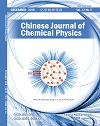
CHINESE JOURNAL OF CHEMICAL PHYSICS
Bridging Theory and Practice in Chemical PhysicsChinese Journal of Chemical Physics, published by the Chinese Physical Society, serves as a pivotal platform for advancing the field of chemical physics, encompassing groundbreaking research and innovative methodologies since its inception in 2000. With an ISSN of 1674-0068 and E-ISSN of 2327-2244, the journal has established itself within the academic community, reflected in its 2023 classification as Q3 in Physical and Theoretical Chemistry and a Scopus rank of #142 out of 189, representing the 25th percentile in this competitive field. Although it does not currently operate as an open-access publication, its commitment to disseminating pivotal scientific research continues to attract scholars and professionals alike. The journal aims to bridge the gap between theoretical principles and practical applications in chemical physics, thereby fostering collaboration and innovation. By contributing significantly to the discourse in this dynamic domain, the Chinese Journal of Chemical Physics remains an essential resource for researchers, professionals, and students eager to stay abreast of contemporary developments.
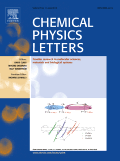
CHEMICAL PHYSICS LETTERS
Your Gateway to Cutting-Edge Research in Physics and ChemistryCHEMICAL PHYSICS LETTERS, published by Elsevier, is a prestigious journal that has been at the forefront of advancing knowledge in the fields of physical and theoretical chemistry and physics since its inception in 1967. With an impressive impact factor reflective of its high-quality research output, this journal holds Q2 quartile rankings in both the Physical and Theoretical Chemistry and Physics and Astronomy categories for 2023. It is recognized as a key platform for disseminating groundbreaking findings, with Scopus rankings placing it within the top 76th and 66th percentiles in its respective categories. Researchers and professionals benefit from its insightful contributions and rigorous peer-review process, making it an essential resource for those engaged in cutting-edge chemical physics studies. Although the journal is not open access, it remains accessible through various institutional subscriptions, ensuring that a wide audience can explore its wealth of knowledge. Located in Amsterdam, Netherlands, the journal continues to drive innovation and collaboration across diverse scientific disciplines.

JOURNAL OF THE INDIAN CHEMICAL SOCIETY
Empowering Chemists through High-Quality ResearchJournal of the Indian Chemical Society, published by Elsevier, stands as a cornerstone in the field of chemistry, particularly representing the rich chemical research emanating from India.
With a significant history dating back to its establishment, this journal encompasses diverse disciplines including Drug Discovery, Electrochemistry, Inorganic Chemistry, Organic Chemistry, and Physical and Theoretical Chemistry, reflecting the evolving landscape of chemical sciences.
Despite being positioned in the Q3 category across multiple quarters, the journal demonstrates promising rankings in various chemistries, highlighting its commitment to advancing the knowledge and application of chemical sciences. While currently not available as an open access journal, the Journal of the Indian Chemical Society is dedicated to providing a platform for high-quality research that fosters innovation and collaboration among researchers, professionals, and students worldwide.
With its continuous publication from 1973 to the present, it serves as an essential repository for cutting-edge findings and developments in chemistry, striving to connect academia with industry and practice.

THEORETICAL CHEMISTRY ACCOUNTS
Catalyzing Dialogue in the World of Theoretical ChemistryTHEORETICAL CHEMISTRY ACCOUNTS is a prestigious journal dedicated to promoting the advancement of theoretical and computational chemistry. Published by Springer, this journal has become a vital resource for researchers, professionals, and students seeking to explore innovative theoretical approaches in chemistry since its inception in 1996. With a current impact factor positioning it in the Q3 category of Physical and Theoretical Chemistry, it underscores its importance in the academic landscape, ranking 113 out of 189 in its field according to Scopus. The journal embraces an Open Access model, making cutting-edge research widely accessible to the global community. Researchers are encouraged to submit their latest findings and theoretical advancements, contributing to the ever-expanding body of knowledge within this dynamic field. Addressing contemporary challenges and breakthroughs, THEORETICAL CHEMISTRY ACCOUNTS serves as an essential platform for dialogue and discovery among scholars dedicated to the intersection of chemistry and theory.