Journal of Scandinavian Cinema
metrics 2024
Celebrating the Rich Tapestry of Scandinavian Cinema
Introduction
The Journal of Scandinavian Cinema, established in 2014 and published by INTELLECT LTD, serves as a premier platform dedicated to the interdisciplinary field of film studies with a specific focus on Scandinavian cinema. With an impressive Q2 category ranking in Visual Arts and Performing Arts for 2023, and a Scopus rank placing it in the top 62nd percentile of its category, this journal is instrumental in advancing scholarly dialogue within the arts community. The journal strives to explore and critique cinematic expressions from the Nordic countries, contributing to a nuanced understanding of cultural narratives and filmic innovations. Committed to fostering accessibility and engagement, it caters to a diverse audience including researchers, professionals, and students keen to delve into the artistic, cultural, and political dimensions of cinema. The Journal of Scandinavian Cinema is essential for anyone interested in the evolution and impact of film in the Scandinavian context, promising rich insights and a robust collection of scholarly articles.
Metrics 2024
 0.150.100.206
Metrics History
Rank 2024
Scopus
JCI (Web Of Science)
Quartile History
Similar Journals

CINEJ Cinema Journal
Illuminating Cinema's Cultural and Social Narratives.CINEJ Cinema Journal, published by the University of Pittsburgh Library System, stands as a pivotal platform for scholarly discourse in the dynamic field of cinema studies. With an ISSN of 2159-2411 and an E-ISSN of 2158-8724, this Open Access journal has been dedicated to disseminating high-quality research since its inception in 2011. CINEJ provides an essential resource for researchers, practitioners, and students alike, exploring varied dimensions of cinema, including its cultural, historical, and technological implications. The journal is committed to fostering interdisciplinary dialogue, making it a vital asset for those seeking to deepen their understanding of cinema as an art form and social phenomenon. By engaging with contemporary issues and trends in the cinematic landscape, CINEJ encourages contributions that illuminate the intersection of film and social inquiry, ensuring its relevance in today’s academic ecosystem.

CINEFORUM
Bridging Theory and Practice in the Artistic RealmCINEFORUM is a distinguished journal published by the FEDERAZIONE ITALIANA CINEFORUM, focusing on the vibrant field of Visual Arts and Performing Arts. With an ISSN of 0009-7039, this journal serves as a significant platform for researchers and practitioners interested in critical discussions and analyses pertaining to cinema and performance. Although coverage in Scopus discontinued in 2020, CINEFORUM has established its standing with a category ranking in the Q4 quartile for Visual Arts, reflecting its niche yet passionate readership in the arts community. Based in Bergamo, Italy, the journal aims to foster a deeper understanding of cinematic and performative texts, offering insights and scholarly contributions that enhance the discourse within these artistic domains. Catering to an audience that includes researchers, professionals, and students, CINEFORUM remains an essential resource for those looking to explore the intersection of theory and practice in cinema and performing arts.

Canadian Journal of Film Studies-Revue Canadienne d Etudes Cinematographiques
Celebrating the Evolution of Cinematic ArtsCanadian Journal of Film Studies-Revue Canadienne d'Études Cinématographiques is a distinguished publication dedicated to the exploration of film studies within the context of Canadian cinema and global visual arts. Published by University of Toronto Press Inc., this journal offers a platform for innovative and critical scholarship, having achieved a notable Q2 ranking in the Visual Arts and Performing Arts category for 2023, with an impressive Scopus rank of 207 out of 667, positioning it in the 68th percentile among peers. With a continuous publication record since its established years from 1998 to 2001 and 2004 to 2024, it has become an essential resource for researchers, professionals, and students interested in the evolving landscape of film and cinema. The journal not only addresses theoretical perspectives but also engages with contemporary practices, thereby fostering a deeper understanding of cinematic arts. Despite not offering open access, it remains a vital repository of knowledge for those seeking to advance their studies and contribute to the discourse in film studies.
Studies in European Cinema
Unveiling the Stories Behind European ScreensStudies in European Cinema is an esteemed journal published by Routledge Journals, Taylor & Francis Ltd, focusing on the multifaceted realms of European cinema and its contextual relevance. With an ISSN of 1741-1548 and an E-ISSN of 2040-0594, this journal provides a dynamic platform for researchers and practitioners in the fields of Communication, Visual Arts, and Performing Arts. As reflected by its recent Scopus rankings, it holds a respectable position in the Arts and Humanities with an 84th percentile rank, indicating its significance and impact in the scholarly community. While not entirely open access, Studies in European Cinema seeks to foster critical discourse and analysis from 2004 to 2024, covering a broad spectrum of topics related to film studies, cultural representations, and the evolving narratives within European cinematic practices. Engaging with diverse theoretical frameworks, the journal aims to contribute to the vibrant dialogue surrounding European cinema, making it an essential resource for academics, filmmakers, and students alike who are passionate about exploring cinematic expression in a European context.

Hrvatski Filmski Ljetopis
Advancing Insights into Croatian Cinema.Hrvatski Filmski Ljetopis, published by the Croatian Film Clubs Association, serves as a pivotal academic journal in the field of film studies, celebrating and analyzing the rich cinematic heritage of Croatia and beyond. With an ISSN of 1330-7665, this journal caters to researchers, practitioners, and students who are passionate about the art of filmmaking, encompassing both theoretical discourse and practical implications. Although it is not currently available as an open-access publication, its curated content is of significant value to anyone interested in the evolution, critique, and history of film in a Croatian context, having previously been indexed in Scopus until coverage was discontinued. The journal operates out of Zagreb, Croatia, at the Croatian Film Clubs Association headquarters, and aims to foster scholarly dialogue while contributing to the broader field of national and international cinematography.

MILLENNIUM FILM JOURNAL
Engaging Minds Through Interdisciplinary Film Scholarship.MILLENNIUM FILM JOURNAL, published by MILLENNIUM FILM WORKSHOP INC, stands as a pivotal platform for exploration and discourse within the realm of film studies. With its ISSN 1064-5586, the journal has been noteworthy in delineating the complexities of visual arts and performing arts, contributing significantly to academic scholarship between the years 2009 to 2016, and in 2018. Though its coverage has been discontinued in Scopus, the journal has attained a respectable position within its category, ranking #320 out of 502 in the Arts and Humanities field. Researchers, professionals, and students alike are invited to engage with interdisciplinary discussions that illuminate the cultural and theoretical dimensions of cinema. While currently not offering open access options, the journal continues to serve as a vital resource for those deeply invested in the study of film, making it a respected voice in visual arts and performance research.

POSITIF
Fostering Critical Insights in Visual and Performing ArtsPOSITIF is a distinguished journal, published by POSITIF EDITIONS, focusing on the dynamic fields of Visual Arts and Performing Arts. With ISSN 0048-4911, this journal has been a significant contributor to the arts community since its establishment in 2002, and it continues to captivate readers with its upcoming issues projected until 2024. Based in the heart of France at 12 RUE PIERRE ET MARIE CURIE, 75005 PARIS, POSITIF serves as an invaluable platform for researchers, professionals, and students alike, promoting innovative discourse and critical analysis within the arts. Despite holding a Q4 category ranking in the 2023 classification and a Scopus rank of 637/667, its commitment to enhancing the understanding and appreciation of visual and performing arts remains steadfast. Researchers are invited to contribute to this growing body of knowledge, enriching the journal's scope and impact in a vibrant artistic landscape.

French Screen Studies
Unveiling the Artistry of French Film and MediaFrench Screen Studies is a distinguished journal published by Routledge Journals, Taylor & Francis Ltd, focusing on the dynamic interactions between film, media, and cultural studies within the context of French cinema. Since its inception in 2020, the journal has contributed significantly to the academic landscape, providing a platform for innovative research and critical discussion on visual arts and performance as reflected in its prestigious Q1 ranking in Visual Arts and Performing Arts for 2023. Despite being a burgeoning journal, it holds an impressive position within Scopus rankings, particularly in the Arts and Humanities sphere. Researchers and scholars will find the journal a vital resource, as it endeavors to explore the intersections of screen studies with broader social and cultural implications. Although currently not open access, French Screen Studies continues to foster an inclusive dialogue among academics, paving the way for future exploration of France’s influential cinematic heritage.

Studies in Eastern European Cinema
Fostering Dialogue on Visual Arts in Eastern EuropeStudies in Eastern European Cinema is a distinguished journal dedicated to exploring the rich and diverse landscape of cinematic art in Eastern Europe. Published by Routledge Journals, Taylor & Francis Ltd, this journal has carved a unique niche since its inception in 2010, providing insightful analysis and fostering dialogue among scholars, professionals, and students in the fields of Communication and Visual Arts and Performing Arts. With a current impact factor reflected in its respective quartile rankings, which position it in Q4 in Communication and Q2 in Visual Arts and Performing Arts, the journal serves as an essential platform for research and discourse on the cinematic contributions of Eastern Europe. Featuring contributions that analyze historical contexts, artistic trends, and cultural implications, it aims to broaden the understanding of Eastern European cinema's role within the global film landscape. While it offers a traditional subscription model, its ongoing commitment from 2010 to 2024 ensures it remains at the forefront of academic inquiries, appealing to a growing audience dedicated to the appreciation and scholarship of Eastern European cinematic arts.
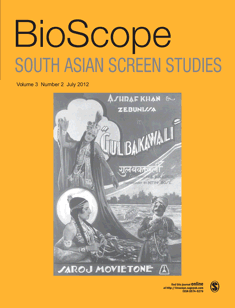
Bioscope-South Asian Screen Studies
Unveiling the Stories Behind the ScreenBioscope-South Asian Screen Studies is an influential journal dedicated to advancing the field of screen studies in the South Asian context, published by SAGE Publications India Pvt Ltd. With an ISSN of 0974-9276 and an E-ISSN of 0976-352X, this journal spans a convergence of scholarly research from 2010 to 2024, providing a significant platform for interdisciplinary dialogue. Holding a Q3 rating in Communication and a Q2 rating in Visual Arts and Performing Arts in the 2023 category quartiles, it ranks 212th in its field on Scopus, reflecting its vital contribution to academic discourse. Bioscope aims to explore and critically analyze the rich tapestry of South Asian cinema, media, and performance arts, offering researchers, professionals, and students a valuable resource for deepening their understanding of regional and global cinematic narratives. Readers will find insightful articles that probe the cultural, social, and political dimensions of screen studies, making this journal an essential reference for anyone engaged in the evolving landscape of South Asian visual culture.