JOURNAL OF TROPICAL ECOLOGY
metrics 2024
Connecting Researchers to the Heart of Tropical Biodiversity
Introduction
The JOURNAL OF TROPICAL ECOLOGY, published by Cambridge University Press, serves as a pivotal platform for advancing knowledge in the field of ecology, particularly within tropical environments. With an ISSN of 0266-4674 and an E-ISSN of 1469-7831, this esteemed journal has been a key resource since its inception in 1985, maintaining a focus on empirical research that addresses the complexities of tropical ecosystems. It holds a respectable Q3 ranking in the Ecology, Evolution, Behavior and Systematics category as of 2023, indicating its significant contribution to the field, although it remains within the competitive mid-range. The journal publishes original research, reviews, and methodological articles that illuminate the rich biodiversity and unique ecological processes of tropical regions, fostering a deeper understanding of conservation challenges. Accessible from the United Kingdom, this publication appeals to a diverse audience of researchers, professionals, and students keen on exploring ecological dynamics in tropical settings, and plays a crucial role in promoting scientific discourse and collaborative efforts aimed at preserving our planet's vital ecosystems.
Metrics 2024
 0.401.001.3095
Metrics History
Rank 2024
Scopus
IF (Web Of Science)
JCI (Web Of Science)
Quartile History
Similar Journals

GLOBAL ECOLOGY AND BIOGEOGRAPHY
Exploring the Interconnectedness of Life on EarthGLOBAL ECOLOGY AND BIOGEOGRAPHY is an esteemed academic journal published by Wiley that focuses on the dynamic interplay between ecological and biogeographical processes across the globe. With a strong commitment to advancing our understanding of biodiversity, conservation, and global change, this journal has secured a prestigious Q1 ranking in several categories, including Ecology, Ecology, Evolution, Behavior and Systematics, and Global and Planetary Change, highlighting its significant influence in the field. Since its inception in 1998, the journal has consistently provided a platform for high-quality research, featuring original articles that address critical ecological questions and emerging biogeographical trends. Researchers aiming to publish impactful work will appreciate the journal's rigorous peer-review process and its accessibility to a global audience. With a commendable track record reflected in its Scopus rankings, this journal is an essential resource for anyone dedicated to the study of ecology and biogeography.
NATURAL AREAS JOURNAL
Illuminating Pathways to Sustainable EcosystemsNATURAL AREAS JOURNAL, published by the NATURAL AREAS ASSOCIATION, serves as a vital resource for scholars and practitioners in the fields of ecology and nature conservation. Since its inception in 1993, this quarterly academic journal delivers original research, case studies, and reviews that focus on the preservation of natural areas and the intricate relationships within ecosystems. The journal, indexed under ISSN 0885-8608 and E-ISSN 2162-4399, currently holds a Q3 quartile ranking in both Ecology and Nature and Landscape Conservation as of 2023, reflecting its commitment to advancing knowledge in these essential areas. With Scopus rankings placing it at the 39th percentile in Nature and Landscape Conservation and 36th in Ecology, the NATURAL AREAS JOURNAL is an influential platform that fosters interdisciplinary collaboration and advocacy for conservation efforts. Although it currently does not offer Open Access options, its contributions are pivotal for researchers, professionals, and students seeking to explore, understand, and contribute to conservation science.

Ecosistemas
Exploring the intricate web of ecosystems and sustainability.Ecosistemas is a prominent Open Access journal published by the ASOCIACION ESPANOLA ECOLOGIA TERRESTRE, specializing in the field of ecology. Since its inception in 2001, it has dedicated itself to advancing ecological knowledge and research, fostering an inclusive platform for the dissemination of cutting-edge studies that span ecological interactions, sustainability, and biodiversity. The journal, based in Spain, has established its reputation with notable rankings such as Q3 in the field of Ecology and Q4 in Ecology, Evolution, Behavior, and Systematics, reflecting its commitment to quality research. With a Scopus Ranks position placing it in the 40th and 37th percentiles for its categories, Ecosistemas is integral to the academic community, serving researchers, professionals, and students alike. It provides a vital resource for those seeking to understand ecological dynamics and environmental challenges, facilitating open access to important findings and discussions that shape the future of our ecosystems.
BASIC AND APPLIED ECOLOGY
Bridging theory and practice in the realm of ecology.BASIC AND APPLIED ECOLOGY, published by Elsevier GmbH in Germany, stands out as a premier journal in the field of ecology, evolution, behavior, and systematics. With its ISSN 1439-1791 and E-ISSN 1618-0089, the journal enjoys a distinguished reputation, evidenced by its classification in the Q1 category for Ecology in 2023 and impressively ranking #89 out of 721 in this domain according to Scopus. Since its inception in 2000, it has served as a vital platform for disseminating high-quality research that bridges theoretical insights and practical applications in ecology. Researchers, professionals, and students alike can look forward to the latest findings that not only foster a deeper understanding of ecological processes but also inform sustainable practices crucial for our environment. As the journal continues its journey through to 2024, it remains committed to advancing ecological knowledge and supporting innovative research in an ever-evolving field.

NORTHWEST SCIENCE
Unveiling the complexities of nature through rigorous research.NORTHWEST SCIENCE, published by the NORTHWEST SCIENTIFIC ASSOCIATION, serves as a vital resource for researchers and professionals in the fields of ecology, evolution, and systematics. With an ISSN of 0029-344X and an E-ISSN of 2161-9859, this journal has been disseminating valuable scientific insights since its inception in 1975 and continues to do so into 2024. Although currently positioned in the Q4 quartile for its category, it plays a crucial role in advancing the understanding of ecological and biological sciences, reflecting a diverse range of studies and methodologies. Researchers will find the journal particularly appealing due to its emphasis on regional studies and their implications on a global scale. While NORTHWEST SCIENCE is not an open-access publication, it provides significant contributions to the academic dialogue within its discipline, making it an essential addition to the library of any dedicated researcher, student, or professional in the environmental sciences.
AUSTRAL ECOLOGY
Unveiling the future of ecology through rigorous research.AUSTRAL ECOLOGY, published by WILEY, is a key journal in the field of ecology, with a focus on ecological research from the Southern Hemisphere and beyond. With an ISSN of 1442-9985 and an E-ISSN of 1442-9993, this journal serves as a vital platform for the dissemination of significant findings related to ecology, evolution, behavior, and systematics. Currently holding a commendable Q2 ranking in both Ecology and Ecology, Evolution, Behavior and Systematics categories as of 2023, AUSTRAL ECOLOGY is recognized for its rigorous peer-review process and impactful research contributions, as evident from its Scopus rankings in the 56th percentile for both Agricultural & Biological Sciences and Environmental Science. Researchers, professionals, and students engaged in ecological studies can benefit from the journal's open access options, enabling wider accessibility to critical ecological insights and advancements in the field. Established in 1981, with an evolving legacy through its converged years from 1996 to 2024, AUSTRAL ECOLOGY remains committed to advancing ecological knowledge and fostering a deeper understanding of ecological dynamics in our ever-changing environment.
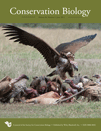
CONSERVATION BIOLOGY
Illuminating the path to ecological resilience and conservation.CONSERVATION BIOLOGY, published by Wiley, is a leading journal in the field of ecology and conservation, with a focus on disseminating high-quality research that addresses pressing environmental challenges. With a strong impact factor and categorized in the top quartile (Q1) across various relevant fields including Ecology, Evolution, Behavior and Systematics, and Nature and Landscape Conservation, the journal plays a pivotal role in advancing the scientific understanding of biodiversity and conservation practices. Since its establishment in 1987, CONSERVATION BIOLOGY has provided a vital platform for researchers, professionals, and students to share innovative findings and facilitate discussions surrounding ecological sustainability and conservation strategies. Although it is not an open-access publication, it ensures that a wide range of significant research is accessible to the global scientific community. The journal’s rigorous peer-review process and reputation for excellence make it an essential resource for anyone involved in the study of ecology and conservation.
AFRICAN JOURNAL OF ECOLOGY
Exploring Africa's Ecological RichnessThe African Journal of Ecology, published by Wiley, is a leading academic journal in the field of Ecology, Evolution, Behavior, and Systematics. Established in 1963 and continuing its vital contributions to the field until 2024, this journal serves as a premier platform for researchers and scholars to share groundbreaking studies that explore the intricate relationships within ecosystems, particularly in the African context. With an impressive Scopus Rank of #423 out of 721 and a Q3 Quartile ranking, it stands as a credible source of scholarly information, gaining recognition among peers for its rigorous peer-review process and impactful publications. While the journal is not open access, it remains influential in driving advancements in ecological research and providing insights vital for conservation efforts and biodiversity studies. Authors and readers alike will find that the African Journal of Ecology not only promotes scientific inquiry but also fosters a deeper understanding of ecological dynamics that affect our world.
TROPICAL ZOOLOGY
Championing innovative discoveries in animal sciences.TROPICAL ZOOLOGY is a prestigious academic journal dedicated to advancing knowledge and research in the fields of animal science, zoology, and ecology. Published by PAGEPRESS PUBL, this journal has been an integral part of the scientific community since its inception in 1988, providing a platform for the dissemination of innovative research and discoveries related to tropical wildlife and ecosystems. With an impact factor placing it in the Q3 category for both Animal Science and Zoology, as well as Ecology, Evolution, Behavior, and Systematics, it ranks among the noteworthy publications in these fields. Researchers, professionals, and students will find that TROPICAL ZOOLOGY is an essential resource for the latest findings, fostering a deeper understanding of biodiversity and conservation in tropical environments. The journal is based in the United Kingdom, with additional administrative support from MEDIGROUP in Italy, ensuring a broad international perspective and reach. While it does not operate under an open access model, it remains committed to high-quality peer-reviewed content that contributes significantly to the understanding of tropical ecosystems and the species that inhabit them.
AFRICAN JOURNAL OF AQUATIC SCIENCE
Innovating solutions for freshwater and marine challenges.AFRICAN JOURNAL OF AQUATIC SCIENCE, published by TAYLOR & FRANCIS LTD, is a premier scholarly journal dedicated to the field of aquatic science, ecology, and environmental management, playing a crucial role in advancing research and knowledge in these vital areas. With an impressive Q2 ranking in both Aquatic Science and Ecology, Evolution, Behavior and Systematics, the journal seeks to publish high-quality research encompassing a wide range of topics related to freshwater and marine ecosystems, including biodiversity, conservation strategies, and the impacts of climate change. Featuring a rich history of publication from 2000 to 2024, the journal not only embraces rigorous peer review but also aims to foster collaboration and dialogue among researchers, practitioners, and students interested in aquatic environments. Readers will find that the journal’s commitment to impactful scientific communication is reflected in its notable rankings within the Scopus database, making it an essential resource for those engaged in aquatic research and management.