KOREA-AUSTRALIA RHEOLOGY JOURNAL
metrics 2024
Bridging disciplines in condensed matter physics and materials science.
Introduction
KOREA-AUSTRALIA RHEOLOGY JOURNAL, published by the Korean Society of Rheology, serves as a pivotal platform for disseminating high-quality research in the realms of Condensed Matter Physics and Materials Science. Established in 2003 and running through to 2024, this journal has made notable strides with a 2023 ranking of Q3 in both categories within Scopus, indicating its impactful contributions to the scientific community. Although currently not an open-access journal, it stands out for its rigorous peer-reviewed articles that span a diverse range of topics, fostering advancements in rheology across various applications. Researchers, professionals, and students alike can expect to engage with insightful studies and cutting-edge findings through this essential publication based in South Korea, headquartered at the Korea Science Technology Center in Seoul. As the field evolves, KOREA-AUSTRALIA RHEOLOGY JOURNAL remains a critical resource for those looking to stay abreast of developments and innovations in rheological science.
Metrics 2024
 0.302.201.7034
Metrics History
Rank 2024
Scopus
IF (Web Of Science)
JCI (Web Of Science)
Quartile History
Similar Journals

Applications in Engineering Science
Empowering Innovation in Engineering ScienceApplications in Engineering Science is an innovative and highly-regarded open-access journal, published by ELSEVIER in the United Kingdom, focusing on the cross-disciplinary fields of Civil and Structural Engineering, Computational Mechanics, and Mechanical Engineering. Since its inception in 2020, the journal has rapidly established a solid reputation, landing in the Q2 quartile category across multiple engineering disciplines, reflecting its commitment to quality and relevance in the rapidly evolving engineering landscape. With Scopus rankings placing it prominently in the 66th percentile for Computational Mechanics and 58th for Mechanical Engineering, it serves as a vital platform for researchers, professionals, and students alike to share advanced methodologies, innovative applications, and interdisciplinary insights. The journal is committed to fostering open access to cutting-edge research, empowering readers worldwide to stay abreast of significant technological advancements and practical applications in engineering science.

JOURNAL OF DISPERSION SCIENCE AND TECHNOLOGY
Connecting theory and practice in dispersion science.The Journal of Dispersion Science and Technology, published by Taylor & Francis Inc, stands as a vital resource in the fields of Physical and Theoretical Chemistry, Polymers and Plastics, and Surfaces, Coatings and Films. With an impressive history spanning over four decades, from 1980 to 2024, this journal plays a crucial role in advancing the understanding of dispersion science, emphasizing the intricacies of material interactions and their technological applications. Currently positioned in the Q2 and Q3 quartiles across relevant categories as of 2023, the journal demonstrates a robust impact within academic circles, reflected in its rankings: 49th in Materials Science - Surfaces, Coatings and Films and 63rd in Materials Science - Polymers and Plastics. Researchers, professionals, and students alike will find a wealth of innovative studies, comprehensive reviews, and experimental insights that contribute significantly to advancements in material science and technology. The journal's commitment to quality and rigor makes it an essential read for those seeking to stay at the forefront of these dynamic fields.
MACROMOLECULAR CHEMISTRY AND PHYSICS
Connecting Theoretical Insights with Practical ApplicationsMACROMOLECULAR CHEMISTRY AND PHYSICS, published by WILEY-V C H VERLAG GMBH, is a prominent journal dedicated to advancing the fields of condensed matter physics, materials chemistry, organic chemistry, physical and theoretical chemistry, and polymers and plastics. With an impressive H-index and a Q2 ranking in various relevant categories for 2023, this journal serves as a crucial platform for researchers and professionals to publish their innovative findings and theoretical advancements from 1994 to 2024. The journal's commitment to high-quality research is reflected in its Scopus rankings, which highlight its significant impact within the scientific community. Although it does not currently offer open access, it remains an essential resource for those seeking to explore the intricacies of macromolecular science. With a growing global audience, MACROMOLECULAR CHEMISTRY AND PHYSICS continues to shape the future of materials and polymer research, making it a must-read for students, researchers, and industry professionals alike.
JOURNAL OF RHEOLOGY
Unraveling the Secrets of Soft MaterialsJOURNAL OF RHEOLOGY, published by the SOCIETY OF RHEOLOGY, is a premier academic journal that has been disseminating significant research in the field of rheology since its inception in 1957. With a focus on the behavior of complex fluids and soft materials, this journal plays a crucial role in bridging the disciplines of Condensed Matter Physics, Materials Science, and Mechanical Engineering. Its esteemed ranking in the top quartile (Q1) of multiple categories highlights its impact, particularly in Mechanical Engineering and Mechanics of Materials. Researchers and professionals can benefit from the comprehensive studies published within its pages, which combine theoretical insights with practical applications in diverse industries. Although it does not offer open access, the journal remains a vital resource for those seeking cutting-edge developments and discussions in rheology. The editorial office is located in Japan, under the guidance of Ralph H. Colby at Pennsylvania State University, ensuring a strong academic foundation and international collaboration. The JOURNAL OF RHEOLOGY continues to shape the future of rheological research, making it an essential part of any scholar's library.
PHYSICS OF FLUIDS
Bridging Academia and Industry in Fluid ResearchPHYSICS OF FLUIDS is a premier journal published by AIP Publishing that serves as a vital resource for the fluid mechanics community. With an impressive impact factor and a consistent ranking in the Q1 quartile across multiple related disciplines—including Computational Mechanics, Condensed Matter Physics, Fluid Flow and Transfer Processes, Mechanical Engineering, and Mechanics of Materials—this journal is renowned for disseminating high-quality research in the dynamic field of fluid dynamics. Covering a wide range of topics, from fundamental fluid mechanics to advanced computational modeling, PHYSICS OF FLUIDS plays a crucial role in advancing understanding and fostering innovation in both academic and industrial applications. With its strong reputation and significant readership, this journal is essential for researchers, professionals, and students seeking to stay updated on the latest developments in fluid physics.

APPLIED RHEOLOGY
Bridging Theory and Application in RheologyApplied Rheology, published by De Gruyter Poland Sp. z o.o., is an esteemed open access journal dedicated to the field of rheology, the study of material flow and deformation. Established in 1996 and transitioning to open access in 2019, this journal serves as a vital resource for researchers, professionals, and students in both Condensed Matter Physics and Materials Science. With its current impact factor reflecting a Q3 quartile ranking in two categories as of 2023, Applied Rheology consistently publishes high-quality research that advances our understanding of material behaviors across various applications. Located in Germany and accessible online, the journal aims to foster collaboration and innovation in rheological studies by providing a platform for groundbreaking research and discussion. The utilization of open access options ensures that cutting-edge findings are readily available to a global audience, further solidifying the journal's importance in the scientific community.

MATERIALS SCIENCE-POLAND
Pioneering Research in Materials ScienceMATERIALS SCIENCE-POLAND, published by SCIENDO, is an esteemed open access journal dedicated to the rapidly evolving field of materials science. Since its inception in 2002 and transitioning to an open access model in 2015, the journal has been a vital platform for researchers and professionals to disseminate their findings and contribute to the scientific community. With an ISSN of 2083-134X and an E-ISSN of 2083-134X, it spans a comprehensive range of disciplines, focusing on condensed matter physics, materials science, and mechanical engineering among others. In the 2023 rankings, it holds a position in the Q4 and Q3 quartiles across various categories, showcasing its relevance and ongoing contribution to these fields. Researchers benefit from its accessibility, enabling wider reach and engagement with contemporary topics in material innovation and applications. As the journal continues to evolve until 2024, it remains a cornerstone for scholars looking to advance their knowledge and research in materials science.
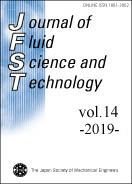
Journal of Fluid Science and Technology
Transforming Mechanical Engineering Through Fluid InsightsThe Journal of Fluid Science and Technology, published by the Japan Society of Mechanical Engineers, serves as a pivotal platform for the dissemination of cutting-edge research in the fields of fluid mechanics and mechanical engineering. With an ISSN of 1880-5558, this Open Access journal has been dedicated to advancing the understanding of fluid flow and transfer processes since its establishment. As of 2023, it holds a significant position with a Q3 quartile ranking in both Fluid Flow and Transfer Processes and Mechanical Engineering categories. Researchers and practitioners are encouraged to explore the journal’s extensive collection of articles, contributing to the body of knowledge that impacts various practical applications in engineering and technology. The journal, which has established a reputation for quality amidst a competitive landscape, further fosters international collaboration and education by providing unrestricted access to its content. For professionals and students alike, the Journal of Fluid Science and Technology represents an invaluable resource for the latest findings and innovations in fluid dynamics and mechanical systems.

COLLOID JOURNAL
Illuminating the pathways of physical and theoretical chemistry.COLLOID JOURNAL, published by PLEIADES PUBLISHING INC in the United States, is a pivotal platform for disseminating cutting-edge research in the fields of Colloid and Surface Chemistry, Physical and Theoretical Chemistry, and Surfaces and Interfaces. With an ISSN of 1061-933X and E-ISSN 1608-3067, this journal offers a valuable resource for researchers and professionals seeking to explore advancements in colloidal systems and surface phenomena. Although currently categorized in the lower quartiles (Q4) within its respective fields, the journal serves as an essential space for emerging ideas and methodologies, contributing to the broader understanding of material interactions at the micro and nano scales. The H-index and specific impact factor data are yet to be determined, but the journal maintains a dedication to high-quality peer-reviewed content that continues to shape the landscape of colloid science. Researchers and students alike will find the COLLOID JOURNAL an indispensable reference for keeping abreast of the latest developments, despite the absence of open access options, reflecting the journal's traditional publishing model. With converged years from 1989 to 2024, it represents a long-standing commitment to scholarly dissemination and exploration in its fields of study.
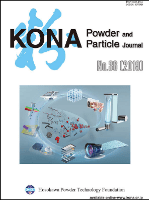
KONA Powder and Particle Journal
Pioneering research in powder and particle innovation.KONA Powder and Particle Journal, published by the HOSOKAWA POWDER TECHNOL FOUNDATION since 1983, is a leading open-access journal dedicated to advancing research in the fields of powder technology and particle science. Situated in Japan, this journal serves as a vital platform for researchers, professionals, and students, offering a wealth of knowledge on various applications and innovations in Chemical Engineering, Chemistry, Engineering, and Materials Science. With an impressive Q2 ranking across multiple categories in 2023 and notable Scopus rankings that position it among the top journals in its field, KONA fosters collaboration and discovery by providing immediate and unrestricted access to groundbreaking research. The journal not only promotes the dissemination of high-quality articles but also emphasizes the practical implications of powder and particle technology in real-world applications, making it an essential resource for advancing scientific knowledge and industrial practices.