LANCET ONCOLOGY
Scope & Guideline
Transforming the landscape of cancer treatment and prevention.
Introduction
Aims and Scopes
- Innovative Cancer Therapies:
The journal publishes studies on novel therapeutic approaches including immunotherapy, targeted therapies, and combination treatments across various cancer types. - Patient-Centered Outcomes:
Research focusing on health-related quality of life, patient-reported outcomes, and the psychosocial aspects of cancer care is a significant area of interest, emphasizing the importance of patient perspectives in treatment efficacy. - Clinical Trials and Methodological Advances:
LANCET ONCOLOGY features a wide range of clinical trials, from phase 1 to phase 3, and promotes methodological innovations that enhance trial designs, patient recruitment, and outcome assessments. - Global Cancer Burden and Health Disparities:
The journal addresses disparities in cancer care and outcomes, particularly in low- and middle-income countries, highlighting global health initiatives and the need for equitable access to cancer treatments. - Translational Research and Precision Medicine:
Research that bridges laboratory findings with clinical applications, focusing on biomarkers and genomic profiling to tailor cancer treatments to individual patients.
Trending and Emerging
- Immunotherapy and Combination Treatments:
A significant increase in studies exploring the efficacy of immunotherapies, particularly in combination with other treatment modalities, highlights the growing interest in harnessing the immune system to combat cancer. - Real-World Evidence and Patient Outcomes:
There is a notable trend towards incorporating real-world evidence in oncology research, focusing on patient outcomes, treatment adherence, and the impact of socio-economic factors on cancer care. - Health Equity and Access to Care:
Emerging research emphasizes the importance of addressing health disparities, with a focus on improving access to cancer care for underrepresented populations and in low-resource settings. - Precision Medicine and Genomics:
A rising trend in the application of genomic profiling and precision medicine approaches is evident, with studies exploring how genetic insights can guide tailored cancer therapies. - Environmental and Societal Impacts on Cancer Outcomes:
Research examining the effects of environmental factors, lifestyle changes, and public health policies on cancer incidence and outcomes is becoming increasingly relevant in the journal.
Declining or Waning
- Traditional Chemotherapy Approaches:
As newer therapies such as immunotherapy and targeted treatments gain traction, traditional chemotherapy regimens are discussed less frequently, indicating a potential shift in treatment paradigms. - Single-Agent Drug Studies:
There has been a noticeable decrease in studies focusing solely on single-agent chemotherapy drugs, as combination therapies and multi-drug regimens are increasingly favored for their improved efficacy. - Local Treatment Modalities:
Research on localized treatment modalities, such as traditional surgery and radiotherapy alone, appears to be waning as the focus shifts towards integrated approaches that combine systemic therapies. - Conventional Diagnostic Techniques:
The rise of advanced imaging techniques and liquid biopsies has resulted in a decline in the publication of studies centered on conventional diagnostic methods like biopsy and standard imaging. - Basic Science Research in Oncology:
There is a diminishing focus on basic science research unrelated to clinical applications, as the journal prioritizes translational research that directly impacts patient care.
Similar Journals

Cancer Medicine
Pioneering discoveries in cancer research for a healthier tomorrow.Cancer Medicine is a leading open access journal published by WILEY, focusing on innovative research and advancements in the fields of Cancer Research, Oncology, and Radiology, with an impressive impact evidenced by its 2023 Q2 ranking in Cancer Research and Q1 rankings in both Oncology and Radiology, Nuclear Medicine and Imaging. With an ISSN of 2045-7634, this journal has been committed to disseminating pivotal findings since its inception in 2012, serving as a vital platform for researchers, practitioners, and students alike. The journal proudly embodies the spirit of open access, ensuring that groundbreaking cancer research is accessible to a global audience. Located in the United Kingdom, it spans a wide array of topics, promising comprehensive insights into cancer therapies, molecular mechanisms, and imaging techniques, thereby significantly contributing to the enhancement of cancer care and treatment outcomes. Researchers interested in exploring the latest advancements in cancer medicine will find this journal an indispensable resource.
BREAST CANCER RESEARCH AND TREATMENT
Innovating Research, Transforming TreatmentBreast Cancer Research and Treatment, published by Springer, stands as a pivotal journal within the domains of Cancer Research and Oncology, exemplified by its impressive Q2 and Q1 quartile rankings, respectively, in the 2023 category rankings. Since its inception in 1981, this journal has provided a vital platform for disseminating cutting-edge research focused on all aspects of breast cancer, ranging from molecular biology to treatment strategies. With an ISSN of 0167-6806 and E-ISSN of 1573-7217, it captures a broad audience of researchers, clinicians, and students dedicated to improving patient outcomes. The journal emphasizes high-quality, peer-reviewed studies that pave the way for advancements in therapy and direct novel insights into oncological practices. By maintaining a strong ranking in Scopus with percentile placements of 74th in Oncology and 61st in Cancer Research, Brest Cancer Research and Treatment continues to foster innovation and collaboration in the fight against breast cancer.

JTO Clinical and Research Reports
Unlocking Knowledge for a Healthier TomorrowJTO Clinical and Research Reports is an esteemed open-access journal published by Elsevier, dedicated to advancing knowledge in the fields of Oncology and Pulmonary and Respiratory Medicine. Since its inception in 2020, the journal has rapidly gained recognition, achieving a commendable Q1 ranking in both fields as of 2023, highlighting its significant contribution to high-quality research and clinical practice. With an inclusive global reach, JTO Clinical and Research Reports fosters collaboration by allowing unrestricted access to its content, ensuring that vital research findings can be disseminated widely among researchers, clinicians, and students alike. Located in the United States, and with its editorial base in the Netherlands, this journal not only embraces the mission of open science but also strives to publish impactful studies that address critical challenges in cancer treatment and respiratory health. Through its rigorous peer-review process and commitment to excellence, JTO Clinical and Research Reports aims to be at the forefront of scientific discourse and innovation in these dynamic areas of medicine.
eCancerMedicalScience
Connecting minds to conquer cancer.eCancerMedicalScience, a leading open-access journal published by the eCancer Global Foundation, is dedicated to advancing the field of cancer research and oncology. With its inception in 2007, this esteemed journal has emerged as a pivotal platform for disseminating groundbreaking research, innovative treatments, and comprehensive reviews in the cancer domain. Based in the United Kingdom, eCancerMedicalScience has continuously contributed to the academic community with its rigorous peer-review process and broad-ranging scope, now encompassing topics from clinical oncology to molecular biology. Currently ranked in the Q3 quartile for both Cancer Research and Oncology in 2023, the journal provides a significant opportunity for researchers, professionals, and students to access valuable insights and share their findings within a global network. The commitment to open access ensures that knowledge is readily available, fostering collaborative efforts to combat cancer and improve patient outcomes.
Oncology Research and Treatment
Innovating solutions for tomorrow's cancer challenges.Oncology Research and Treatment, published by KARGER, is a highly regarded academic journal dedicated to advancing the field of oncology through rigorous research and clinical insights. With a history spanning from 1978 to 1997 and continuing from 2013 to 2024, this journal provides a vital platform for researchers and professionals in cancer research, hematology, and related disciplines. Though currently listed in the Q3 tier of 2023 for Cancer Research, Hematology, and Oncology, its growing readership and open access policy enhance its visibility and impact within the scientific community. Based in Switzerland, the journal features diverse access options, reflecting the global importance of oncology research. With a focus on innovative treatments and the latest methodologies, Oncology Research and Treatment plays a crucial role in fostering collaboration and dialogue among researchers, professionals, and students alike, helping to shape the future of cancer care and management.
ACTA ONCOLOGICA
Elevating standards in oncology research and practice.ACTA ONCOLOGICA is a prestigious multidisciplinary journal published by Medical Journal Sweden AB, dedicated to advancing cancer research and clinical practice. As a key resource in the field of oncology, the journal aims to publish high-quality articles that cover significant developments in cancer biology, treatment modalities, and innovative imaging techniques. With an ISSN of 0284-186X and an E-ISSN of 1651-226X, ACTA ONCOLOGICA operates in the United Kingdom and is recognized for its substantial impact, currently holding a Q2 ranking in the categories of Hematology, Medicine (miscellaneous), Oncology, and Radiology, Nuclear Medicine and Imaging in 2023. The journal’s commitment to disseminating pivotal research is reflected in its inclusion in Scopus, with rankings placing it in the top half of its fields. Though it does not currently offer Open Access, it remains an essential resource for researchers, healthcare professionals, and students seeking to stay informed on the latest trends and findings in oncology. Established in 1963, the journal continues to be a cornerstone of cancer research well into 2024.
South Asian Journal of Cancer
Connecting researchers for a cancer-free future.South Asian Journal of Cancer, published by GEORG THIEME VERLAG KG, is a pivotal platform for research in the fields of oncology and cancer research. Established in 2012 and operating under an Open Access model, this journal aims to disseminate high-quality, peer-reviewed articles that address crucial developments in cancer treatment, prevention, and research, particularly within the South Asian context. Despite its young history, the journal has been positioned within the Q4 quartile for both Cancer Research and Oncology, and while current Scopus rankings indicate it resides in the lower percentiles, its commitment to amplifying regional voices and research is invaluable. With its headquarters in Stuttgart, Germany, and a global readership, South Asian Journal of Cancer is dedicated to enhancing collaboration among researchers, healthcare professionals, and students, fostering a space for innovative ideas and advancements in cancer care as we progress through to 2024.
Cancers
Exploring the frontiers of cancer biology and therapy.Cancers is a leading peer-reviewed journal published by MDPI, dedicated to advancing the field of oncology and cancer research. Established in 2009 and based in Switzerland, this Open Access journal provides a platform for the rapid dissemination of high-quality research findings, reviews, and clinical studies related to all aspects of cancer biology and treatment. With an impressive impact factor and recognized as Q1 in Oncology and Q2 in Cancer Research for 2023, Cancers strives to foster a collaborative environment among researchers, healthcare professionals, and students seeking to deepen their knowledge and understanding of cancer. The journal’s commitment to accessibility and its broad scope make it an invaluable resource for anyone passionate about combating cancer and improving patient outcomes. For more information and to access its diverse publications, visit the journal’s website.
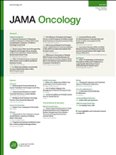
JAMA Oncology
Transforming cancer care with cutting-edge findings.JAMA Oncology, published by the American Medical Association, stands at the forefront of cancer research as a premier peer-reviewed journal in the field. With an ISSN of 2374-2437 and an impressive impact factor reflecting its critical insights, the journal has achieved a top-tier position, being ranked in the Q1 quartile for both Cancer Research and Oncology as of 2023, and demonstrating exceptional performance in Medicine as well. Spanning a converged publication period from 2015 through 2024, JAMA Oncology publishes cutting-edge research, clinical trials, and reviews that are pivotal in advancing our understanding and treatment of cancer. The journal's Scopus ranks highlight its global impact, placing it in the top deciles within its categories, ensuring that it remains a vital resource for oncologists, researchers, and students alike. While it currently does not offer open access, JAMA Oncology continues to provide invaluable contributions to the scientific community, promoting a deeper understanding of oncological challenges and breakthroughs.
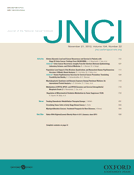
JNCI-Journal of the National Cancer Institute
Shaping the future of oncology through rigorous research.JNCI-Journal of the National Cancer Institute, published by Oxford University Press Inc. in the United Kingdom, is a premier journal dedicated to advancing the field of cancer research and oncology. With a distinguished history dating back to 1940, this journal has consistently maintained a strong reputation within the academic community, achieving a remarkable Q1 ranking in both Cancer Research and Oncology as of 2023. Researchers and practitioners rely on the JNCI for original research articles, review papers, and cutting-edge findings that impact clinical practices and therapeutic strategies. Although it does not currently offer open access, the journal remains a vital resource for academicians and healthcare professionals seeking to enhance their understanding of cancer mechanisms and treatment innovations. Its rigorous peer-review process ensures the publication of high-quality, credible research that meets the evolving challenges of cancer treatment and prevention through to 2024.