
Laryngoscope Investigative Otolaryngology
Scope & Guideline
Unleashing Potential through Open Access Research
Introduction
Aims and Scopes
- Clinical Outcomes and Innovations:
The journal publishes studies that evaluate clinical outcomes across various otolaryngologic conditions, often focusing on innovative treatment methods and surgical techniques. - Pediatric Otolaryngology:
There is a consistent focus on pediatric otolaryngology, with research addressing conditions unique to children, including hearing loss and airway management. - Technological Advances in Otolaryngology:
The journal emphasizes the integration of new technologies, such as artificial intelligence and telemedicine, into otolaryngology practices, exploring their applications and effectiveness. - Chronic Rhinosinusitis and Nasal Disorders:
Research in this area includes studies on chronic rhinosinusitis, treatment efficacy, and patient quality of life, addressing common nasal disorders and their management. - Head and Neck Cancer Research:
The journal covers significant advancements in the understanding, treatment, and outcomes of head and neck cancers, including surgical techniques, pharmacotherapy, and prognostic factors. - Ototoxicity and Hearing Restoration:
Research related to hearing restoration, cochlear implants, and the management of ototoxicity is a vital area of focus, reflecting the journal's commitment to improving auditory health. - Voice and Swallowing Disorders:
The journal includes studies that focus on voice disorders and swallowing difficulties, providing insights into diagnosis, management, and therapeutic outcomes.
Trending and Emerging
- Telemedicine and Remote Care:
The increased emphasis on telemedicine, particularly in response to the COVID-19 pandemic, highlights a trend towards remote consultations and digital health solutions in otolaryngology. - Artificial Intelligence in Diagnosis and Treatment:
There is a growing interest in the application of artificial intelligence for diagnostic and treatment processes within otolaryngology, showcasing the field's move towards integrating advanced technologies. - Patient-Centered Outcomes and Quality of Life:
Research focusing on patient-reported outcomes, quality of life assessments, and treatment satisfaction is gaining prominence, reflecting a shift towards more holistic approaches to patient care. - Impact of COVID-19 on Otolaryngology Practices:
Studies examining the implications of the COVID-19 pandemic on otolaryngology practices, including changes in patient management and procedural adaptations, are increasingly relevant. - Interdisciplinary Approaches to Treatment:
Emerging themes include interdisciplinary collaborations in managing complex otolaryngologic conditions, reflecting the need for comprehensive care strategies that incorporate multiple specialties. - Personalized Medicine and Genomic Studies:
There is a trend towards personalized medicine, with research exploring genetic factors influencing treatment outcomes in otolaryngology, especially in cancer management.
Declining or Waning
- Traditional Surgical Techniques:
There is a noticeable decrease in studies focusing on traditional surgical techniques, possibly due to the rise of minimally invasive approaches and technology-driven methods. - Basic Science Research:
Research that primarily explores fundamental biological mechanisms in otolaryngology is less frequently published, as the journal shifts towards more clinically relevant studies. - Aging and Otolaryngology:
Although aging remains a critical topic, studies specifically addressing age-related changes in otolaryngologic conditions appear to be waning, possibly overshadowed by broader health-related quality of life studies. - Sociocultural Factors in Otolaryngology:
Research examining sociocultural influences on otolaryngologic conditions and treatments is less prevalent, indicating a potential shift towards more clinical and technical investigations.
Similar Journals
Indian Journal of Otolaryngology and Head & Neck Surgery
Fostering Knowledge for Enhanced Patient OutcomesIndian Journal of Otolaryngology and Head & Neck Surgery, published by SPRINGER INDIA, is a pivotal platform for researchers, practitioners, and students in the field of otolaryngology. With an ISSN of 2231-3796 and an E-ISSN of 0973-7707, this journal aims to disseminate cutting-edge research, innovative techniques, and surgical developments related to head and neck surgery. Recognized for its contributions, it holds a Q3 ranking in both Otorhinolaryngology and Surgery as per the 2023 category quartiles, demonstrating its relevance among the medical community. The journal, which has continually published since 1993, addresses a wide range of topics including clinical studies, surgical techniques, and research advancements, fostering knowledge that informs practice and enhances patient care. By being indexed in Scopus with notable rankings and percentiles, Indian Journal of Otolaryngology and Head & Neck Surgery serves as an essential resource for emerging research and development in this specialized field.
INTERNATIONAL JOURNAL OF PEDIATRIC OTORHINOLARYNGOLOGY
Advancing pediatric ear, nose, and throat care.INTERNATIONAL JOURNAL OF PEDIATRIC OTORHINOLARYNGOLOGY, published by Elsevier Ireland Ltd, stands as a pivotal resource in the fields of pediatric otorhinolaryngology, pediatrics, and related medical disciplines. With a historical publication record spanning from 1979 to 2024, this journal is dedicated to advancing research and clinical practice in the diagnosis and treatment of ear, nose, and throat disorders in children. As evidenced by its 2023 rankings, the journal maintains a commendable position within the Q2 category of its field, reflecting its impact and the quality of research it disseminates, ranking #43 out of 123 in Otorhinolaryngology and #131 out of 330 in Pediatrics. Researchers, clinicians, and students alike can benefit from a wealth of studies and reviews designed to inform and enhance pediatric care. Although the journal does not currently offer open access, it remains an indispensable tool for those seeking to stay at the forefront of pediatric health and otolaryngological innovations.
JOURNAL OF LARYNGOLOGY AND OTOLOGY
Transforming Perspectives in Laryngology and OtologyJournal of Laryngology and Otology, published by Cambridge University Press, is a prestigious peer-reviewed journal dedicated to the fields of laryngology and otology. With its rich history dating back to 1891, the journal provides a platform for cutting-edge research, review articles, and clinical studies that advance the understanding and treatment of disorders related to the ear, nose, and throat. As evidenced by its ranking in the Q2 category for both Medicine (miscellaneous) and Otorhinolaryngology, the journal is recognized for its significant contributions to medical literature, holding its place at Rank #45 among 123 in the Scopus database for this specialty. Although it does not offer open access, it is widely accessible to professionals and academics in the field, and remains an invaluable resource for those seeking to stay updated with the latest advancements in laryngology and otology. The ISSN for the journal is 0022-2151 and the E-ISSN is 1748-5460, ensuring its broad reach and appeal within the global scientific community.
American Journal of Audiology
Connecting Research and Practice in AudiologyWelcome to the American Journal of Audiology, a leading publication in the field of audiology and speech-language pathology, published by the American Speech-Language-Hearing Association. With an ISSN of 1059-0889 and E-ISSN of 1558-9137, this journal provides a vital platform for researchers and practitioners to share innovative studies, clinical practices, and evidence-based findings spanning over two decades, from 1996 to 2024. As a recognized authority in its category, the journal holds a Q2 rank in Speech and Hearing as per the 2023 category quartiles, and ranks #25 out of 66 in Scopus for Health Professions, landing it in the 62nd percentile for this field. Although not open access, the journal remains dedicated to advancing the science of audiology, aiming to enhance the professional community's knowledge and contribute to improved patient care. Addressed from 2200 Research Blvd, #271, Rockville, MD 20850-3289, the American Journal of Audiology is essential for those looking to stay at the forefront of research and trends in audiology.
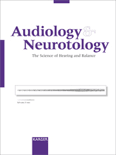
Audiology and Neurotology
Exploring groundbreaking research in audiology and neurotology.Audiology and Neurotology, published by KARGER, stands at the forefront of research in the fields of otorhinolaryngology, audiology, and related neurosciences in Switzerland. With an impressive history of publication from 1996 to 2024, this journal caters to a diverse audience of researchers, clinicians, and students dedicated to advancing the understanding and treatment of auditory and balance disorders. Holding a significant Q1 category ranking in Otorhinolaryngology and Speech and Hearing and a commendable position in other related areas, it reflects a robust impact within its niche. Though currently operating under a subscription model, the journal remains accessible to an extensive readership striving to explore cutting-edge findings and implications for clinical practice. By disseminating high-quality research, Audiology and Neurotology continues to play a crucial role in shaping the landscape of audiological science and provides a platform for vital scholarly communication.
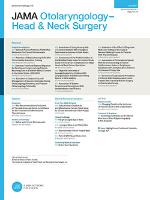
JAMA Otolaryngology-Head & Neck Surgery
Elevating Standards in Otolaryngology PracticeJAMA Otolaryngology-Head & Neck Surgery, published by the American Medical Association, stands as a preeminent journal in the fields of otolaryngology and head and neck surgery, recognized for its rigorous peer-reviewed research and valuable contributions to clinical practice. With an impressive impact factor and distinguished rankings, including Q1 in Medicine (miscellaneous), Otorhinolaryngology, and Surgery, it asserts its position as a leading source of knowledge, ranking 3rd in Otorhinolaryngology and 13th in Surgery within the esteemed Scopus database. The journal, which operates under open access policies from 2013 to 2024, strives to disseminate innovative findings and foster advancements in medical practices, making it an invaluable resource for researchers, healthcare professionals, and students dedicated to enhancing patient care in the intricate domains of head, neck, and throat health.
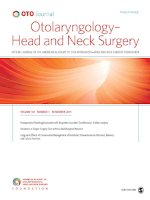
OTOLARYNGOLOGY-HEAD AND NECK SURGERY
Elevating standards in head and neck medicine.OTOLARYNGOLOGY-HEAD AND NECK SURGERY, published by Wiley, stands as a premier journal in the fields of otorhinolaryngology and surgery, boasting an impressive impact ranking in the 95th percentile among its peers. With an ISSN of 0194-5998 and E-ISSN 1097-6817, this journal has been a cornerstone for researchers and clinicians since its inception in 1978, continuing its valuable contributions to 2024. Notably, it holds a Q1 category ranking in both Otorhinolaryngology and Surgery, exemplifying its influence and the high caliber of research it publishes. As it garners significant attention in the scientific community, researchers are encouraged to delve into its articles for comprehensive insights into advanced surgical techniques and emerging trends in head and neck medicine. Access to its extensive repository of research is available through traditional subscription models, allowing professionals and students alike to benefit from the wealth of knowledge at their fingertips.

Audiology Research
Transforming Insights into Audiology PracticesAudiology Research, published by MDPI, is a reputable open-access journal since 2011, dedicated to advancing the field of audiology through the dissemination of high-quality research. With ISSN 2039-4330 and E-ISSN 2039-4349, the journal serves a global audience from its base in Basel, Switzerland, and operates under rigorous peer-review standards to ensure the integrity of published content. With a 2023 Impact Factor placing it in the Q2 category for both Otorhinolaryngology and Podiatry, Audiology Research has established itself as a significant platform for researchers, professionals, and students seeking to explore various aspects of hearing science, auditory disorders, and rehabilitative practices. Its commitment to open access fosters wider dissemination and accessibility of research findings, thereby promoting interdisciplinary collaboration and enhancing patient outcomes within the audiology community. The journal's alignment with major indexing databases, alongside its Scopus ranks—#4 in Health Professions: Podiatry and #65 in Medicine: Otorhinolaryngology—reflects its growing influence and dedication to impactful contributions in the health sciences.
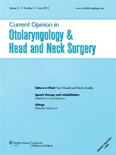
Current Opinion in Otolaryngology & Head and Neck Surgery
Navigating the latest trends in head and neck surgery.Current Opinion in Otolaryngology & Head and Neck Surgery is a distinguished journal published by Lippincott Williams & Wilkins, aimed at advancing the field of otolaryngology. With an ISSN of 1068-9508 and an E-ISSN of 1531-6998, this journal delivers insightful reviews and critical analyses of contemporary research developments in otolaryngology and head and neck surgery. The journal holds a commendable Q2 ranking in both the fields of Medicine (miscellaneous) and Otorhinolaryngology, as well as in Surgery, according to the 2023 Category Quartiles. Its Scopus rankings further underscore its credibility, positioned at #199 in Medicine Surgery and #54 in Otorhinolaryngology. Established since 1995 and set to continue through 2024, Current Opinion in Otolaryngology & Head and Neck Surgery serves as a crucial resource for researchers, clinicians, and students seeking to stay informed on the latest trends and innovations in the field. While not an open-access journal, it offers a subscription model that grants access to high-quality, peer-reviewed content essential for professional development and academic excellence.
JARO-JOURNAL OF THE ASSOCIATION FOR RESEARCH IN OTOLARYNGOLOGY
Driving Excellence in Research for Ear, Nose, and ThroatJARO - Journal of the Association for Research in Otolaryngology is a premier scholarly journal dedicated to advancing research in the field of otolaryngology and sensory systems. Published by Springer, this journal aims to disseminate high-quality original research, reviews, and clinical studies that enhance the understanding of ear, nose, throat, and related structures' functions and diseases. With an ISSN of 1525-3961 and an E-ISSN of 1438-7573, JARO stands out in its category, currently ranked Q2 in Otorhinolaryngology and Q3 in Sensory Systems as per the 2023 category quartiles. The journal enjoys a respectable reputation, ranking 32nd out of 123 journals in Medicine - Otorhinolaryngology, placing it in the 74th percentile, and holds a rank of 19th out of 42 in the field of Neuroscience - Sensory Systems. Although it does not follow an Open Access model, JARO remains a key resource for researchers, clinicians, and students alike, facilitating the exchange of ideas and research outcomes that contribute to the evolution of practices and technologies in the fields it serves. Addressed from One New York Plaza, Suite 4600, New York, NY 10004, United States, JARO is committed to fostering innovative advancements in otolaryngology.