
Linguistics Vanguard
metrics 2024
Exploring the nuances of language and communication.
Introduction
Linguistics Vanguard is a premier academic journal dedicated to advancing research in the field of linguistics and language studies, published by the esteemed Walter de Gruyter GmbH. With its impact factor placing it in the Q1 category for Linguistics and Language as of 2023, the journal demonstrates a significant influence in the academic community, boasting a Scopus rank of #194 out of 1088 in Arts and Humanities and a commendable percentile of 82. Since its inception in 2015, the journal has served as a critical platform for disseminating innovative research and fostering dialogue among scholars and practitioners, encapsulating a wide range of topics within linguistics. Despite being a subscription-based publication, it maintains an open approach to scholarship, encouraging robust academic exchange. Located in Berlin, Germany, at Genthiner Strasse 13, D-10785, Linguistics Vanguard is a must-read for those seeking to stay at the forefront of linguistic research and theory.
Metrics 2024
 0.571.101.2019
Metrics History
Rank 2024
Scopus
IF (Web Of Science)
JCI (Web Of Science)
Quartile History
Similar Journals
Journal of French Language Studies
Exploring the Rich Tapestry of French Language StudiesJournal of French Language Studies, published by Cambridge University Press, is a prestigious and leading journal in the field of linguistics and language that provides a platform for scholarly articles and research findings relevant to the French language and its various dimensions. With an impressive Q1 ranking in the 2023 categorization and ranked #257 out of 1088 in Scopus for Language and Linguistics, this journal plays a pivotal role in advancing the study of French linguistic methodologies, sociolinguistics, and applied linguistics. Since its inception in 1991, the journal has continually contributed to the academic community, attracting innovative investigations and theoretical discussions that enrich understanding and research in the field. Researchers and students enjoy comprehensive access to critical analysis and emerging trends, and as it continues to converge towards 2024, the journal promises to remain an essential resource for exploring the evolving landscape of French language studies.
Open Linguistics
Transforming linguistic research into accessible knowledge.Open Linguistics is a premier open access journal dedicated to advancing the field of linguistics, published by DE GRUYTER POLAND SP Z O O. Since its inception in 2014, the journal has consistently provided a platform for innovative research and critical discourse in various subfields of linguistics. With an impressive Q1 ranking in the linguistics category as of 2023, Open Linguistics is recognized for its significant contributions, ranking #223 out of 1088 in Arts and Humanities, as well as achieving a commendable #260 out of 1167 in Social Sciences. The journal's open access policy ensures that research is freely accessible to both scholars and practitioners, fostering a collaborative and inclusive academic community. With a focus on original research, reviews, and theoretical papers, Open Linguistics is positioned as an essential resource for researchers, educators, and students seeking to deepen their understanding of language and its diverse applications in society.
Corpus Linguistics and Linguistic Theory
Empowering linguists with rigorous, interdisciplinary scholarship.Corpus Linguistics and Linguistic Theory, published by DE GRUYTER MOUTON, is a premier academic journal dedicated to advancing the interdisciplinary field of linguistics through the lens of corpus-based research methodologies. With an ISSN of 1613-7027 and E-ISSN 1613-7035, this journal is a valuable resource for linguists, researchers, and students who aim to investigate language structures, usage, and their theoretical implications. Recognized as a Q1 journal in the realm of Linguistics and Language, it boasts impressive Scopus rankings, positioning it within the top 7% and 8% of its categories in the Arts and Humanities and Social Sciences, respectively. Its relevance is underscored by a commitment to publishing rigorous research from 2005 to 2024, addressing contemporary advancements in linguistic theory fueled by empirical data. While the journal is not open access, it remains an essential platform for disseminating high-quality scholarship that informs both theoretical perspectives and practical applications in linguistics. As such, Corpus Linguistics and Linguistic Theory plays a crucial role in shaping the future of linguistic studies, making it indispensable for anyone engaged in this dynamic field.
Journal of Germanic Linguistics
Fostering Scholarly Excellence in LinguisticsThe Journal of Germanic Linguistics, published by Cambridge University Press, is a premier academic journal dedicated to advancing scholarship in the field of linguistics with a particular focus on Germanic languages. With an impressive impact factor and a well-established reputation, this journal attracts contributions from leading researchers and professionals who delve into the complexities of language, syntax, semantics, and phonology. The journal holds a prominent position in its category, recognized as Q2 in Linguistics and Language and Q1 in Literature and Literary Theory according to latest rankings. By fostering innovative research, the Journal of Germanic Linguistics plays a crucial role in shaping the discourse around Germanic linguistics, providing an essential platform for both emerging scholars and seasoned academics alike. Although it does not offer Open Access options, it continues to be a vital resource for the global academic community, with a convergence of works published throughout its history from 2001 to 2007 and again from 2009 to 2024, ensuring an enriching repository of research for future generations.

RLA-Revista de Linguistica Teorica y Aplicada
Navigating the complexities of language through rigorous analysis.RLA-Revista de Linguística Teórica y Aplicada, published by Universidad de Concepción, Facultad de Humanidades y Arte, stands as a vital resource in the field of linguistics, delivering cutting-edge research and scholarly articles that contribute to both theoretical and applied linguistics. With its ISSN 0718-4883, this journal aims to foster robust discussions and innovations in linguistic theory, language acquisition, sociolinguistics, and applied linguistics methodologies. Although the journal currently does not provide open access options, it endeavors to reach a diverse audience, including researchers, professionals, and students, who are keen to explore the rich tapestry of language studies. By offering insights from both local and global perspectives, RLA does not only advance linguistic discourse but also encourages interdisciplinary collaboration, thereby solidifying its role as a pivotal publication in the linguistic academic community.

Language and Linguistics Compass
Navigating the Complexities of Language and CommunicationLanguage and Linguistics Compass, published by Wiley, stands as a premier journal in the field of linguistics, showcasing innovative and interdisciplinary research. With its ISSN 1749-818X and E-ISSN matching, the journal has built a robust reputation, achieving an impressive Q1 ranking within the linguistics category for 2023, placing it in the top 4% of its field. Its Scopus rank of 48 out of 1167 highlights its influence and significance among linguistics journals, boasting a commendable 95th percentile. This journal serves as a vital resource for researchers, professionals, and students, offering a wide range of accessible articles that illuminate current trends and advances within the domain of language studies. Although it is not Open Access, the journal is committed to quality and diversity in its publications, ensuring scholarly articles from various sub-disciplines of linguistics are represented from 2008 through 2024. Located in the United Kingdom, Language and Linguistics Compass invites contributions from around the globe, reinforcing its status as a leading forum for linguistic discourse.

Languages
Bridging theory and practice for a deeper understanding of language.Languages, published by MDPI, is a prestigious open-access journal dedicated to the field of Linguistics and Language studies. Since its inception in 2016, this journal has rapidly established itself as a leading platform for high-quality research, achieving an impressive Q1 ranking in 2023 and standing out in both the Arts and Humanities as well as the Social Sciences categories with significant percentile rankings (76th and 74th respectively). Based in Switzerland, Languages fosters an international community of scholars who are committed to exploring the multifaceted dimensions of language, from theoretical frameworks to practical applications. With a robust e-ISSN of 2226-471X, the journal prioritizes accessibility, allowing researchers, professionals, and students to freely engage with cutting-edge research and insights. By bridging the gap between theory and practice, Languages plays a crucial role in advancing our understanding of linguistic phenomena, making it an invaluable resource for anyone invested in the study of language.
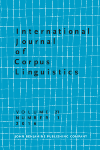
International Journal of Corpus Linguistics
Empowering Scholars to Decode LanguageThe International Journal of Corpus Linguistics, published by John Benjamins Publishing Co, is a premier academic journal dedicated to advancing the field of corpus linguistics. With an ISSN of 1384-6655 and an E-ISSN of 1569-9811, this journal serves as a pivotal platform for researchers and practitioners alike to explore the intricate relationships between language and corpora. Housed in the Netherlands and operating within the prestigious Q1 category in Linguistics and Language, the journal boasts impressive Scopus rankings, positioning it in the top percentiles of both Arts and Humanities and Social Sciences. Its commitment to rigorous peer-reviewed scholarship not only enhances understanding in the domain but also fosters collaboration among scholars. With coverage spanning from 1996 to 2024, the journal publishes cutting-edge research that contributes valuable insights into linguistic patterns and empirical studies. Whether you're an established researcher or a student embarking on your academic journey, the International Journal of Corpus Linguistics is an essential resource for anyone seeking to deepen their understanding of language through corpora.
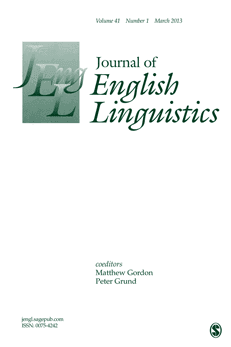
JOURNAL OF ENGLISH LINGUISTICS
Pioneering Innovative Research in LinguisticsJOURNAL OF ENGLISH LINGUISTICS, published by SAGE PUBLICATIONS INC in the United Kingdom, is a premier scholarly journal dedicated to advancing the field of linguistics through a rigorous exploration of the English language. With its ISSN 0075-4242 and E-ISSN 1552-5457, this quarterly journal boasts an impressive impact factor and maintains a notable standing within the academic community, evidenced by its Q1 ranking in Linguistics and Language. Its rich history, covering publications from 1967 to 2024, ensures that it remains an essential resource for researchers, professionals, and students alike, fostering critical discourse and innovative research in English linguistics. While the journal is not open access, it offers a wealth of valuable insights and cutting-edge findings that are vital for anyone interested in understanding the complexities of language structure, usage, and evolution. For those seeking to stay at the forefront of linguistic scholarship, JOURNAL OF ENGLISH LINGUISTICS represents an indispensable cornerstone in the field.

Annual Review of Linguistics
Empowering Researchers with Rigorous ReviewsAnnual Review of Linguistics is a premier scholarly journal dedicated to advancing the field of linguistics through comprehensive and insightful reviews of current research and emerging trends. Published by ANNUAL REVIEWS, this journal is recognized for its high impact, evidenced by its Q1 ranking in the Linguistics and Language category and exceptional placements in the Scopus Ranks, positioning it in the top 2% of its field. Since its inception in 2015, the journal has served as a vital resource for researchers, professionals, and students seeking to deepen their understanding of language theories, acquisition, processing, and sociolinguistics. With no Open Access currently available, the Annual Review of Linguistics is esteemed for its rigorous peer-reviewed articles that synthesize a wealth of knowledge, making it an indispensable tool for advancing research and dialogue within the linguistic community.