MALACOLOGIA
metrics 2024
Pioneering Insights into Molluscan Diversity and Ecology
Introduction
MALACOLOGIA, an esteemed journal published by the INST MALACOL, serves as a vital platform for advancing knowledge and research in the fields of malacology, ecology, and zoology. Established in the United States, this journal has been contributing to the scientific community since its inception, encompassing an array of converged years from 1971 through to 2022, with ongoing publications planned for 2024. With a Q3 category ranking in both Animal Science and Zoology as well as Ecology, Evolution, Behavior and Systematics in 2023, it holds significant relevance for researchers seeking to publish their work in a reputable outlet. Although Open Access options are currently not available, the journal maintains a robust academic standard and impact within its categories, as evidenced by its Scopus rankings. Researchers, professionals, and students alike will find this journal invaluable for its rigorously peer-reviewed content and commitment to enhancing our understanding of mollusks and related ecological interactions.
Metrics 2024
 0.260.700.7040
Metrics History
Rank 2024
Scopus
IF (Web Of Science)
JCI (Web Of Science)
Quartile History
Similar Journals

ZOOLOGICHESKY ZHURNAL
Connecting past insights with future discoveries in zoological sciences.Zoologichesky Zhurnal, a prominent journal in the field of Ecology, Evolution, Behavior and Systematics, has been a vital publication since its inception in 1950. Published by MAIK Nauka-Interperiodica in the Russian Federation, this journal has established a notable reputation in disseminating scientific research and advancing knowledge in zoology. With its coverage spanning from 1950 to 2023, and a specific convergent focus during 1982-1983, this journal contributes significantly to the ecological and evolutionary sciences, even though it currently holds a Q4 classification in the 2023 category quartiles, indicating its niche positioning among peers. Researchers and students engaged in the study of biological sciences, particularly those interested in the dynamics of ecosystems, behavior of species, and evolutionary processes, will find valuable insights and original research articles within its pages. While access to this esteemed journal is not open, it remains an essential resource for those seeking to deepen their understanding of zoological sciences.
JOURNAL OF ZOOLOGY
Bridging foundational research with innovative zoological studies.JOURNAL OF ZOOLOGY, published by Wiley, stands as a premier scholarly journal in the fields of Animal Science and Zoology, renowned for its outstanding contributions to the knowledge of animal biology and ecology. With an impressive impact factor and a strong ranking in the Q1 category for Animal Science and Zoology, as well as Q2 for Ecology, Evolution, Behavior, and Systematics, the journal rigorously engages with both foundational research and groundbreaking discoveries since its inception in 1830. Located in Hoboken, New Jersey, this journal is dedicated to fostering the academic community's understanding of zoological sciences, providing access to important research that shapes wildlife conservation efforts and ecological studies. Although the journal does not currently offer open access options, it continues to attract significant attention, as evidenced by its strong Scopus rankings in related categories. Researchers, professionals, and students will find invaluable resources in the JOURNAL OF ZOOLOGY to advance their understanding of animal life and the ecological challenges it faces today.
SYSTEMATICS AND BIODIVERSITY
Pioneering insights in ecology, evolution, and plant science.Systematics and Biodiversity, published by Taylor & Francis Ltd, is a prominent academic journal that provides a vital platform for advancing research in the fields of ecology, evolution, and plant science. With an ISSN of 1477-2000 and an E-ISSN of 1478-0933, the journal has established itself as a reputable source of scholarly information since its inception in 2003, and continues to publish cutting-edge studies through 2024. Recognized for its rigorous peer-review process, it holds a prestigious position in academic circles, reflected by its Q2 ranking in Ecology, Evolution, Behavior and Systematics and Q1 ranking in Plant Science as of 2023. The journal's contributions are further characterized by its strong performance in Scopus rankings, placing it in the 69th and 68th percentiles in its respective categories. Researchers, professionals, and students alike will find invaluable insights and innovative methodologies within its pages, making Systematics and Biodiversity an essential resource for those dedicated to understanding the complexities of biological diversity and systematics. The journal's impact factors and commitment to high-quality research underscore its significance in shaping the future of ecological and botanical studies.
ZOOLOGICAL SCIENCE
Cultivating Knowledge for a Sustainable FutureZoological Science, published by the Zoological Society of Japan, is a leading journal dedicated to the fields of animal science and zoology. With its ISSN 0289-0003, this respected publication has established itself as a prominent source of scientific research, attaining a commendable Q2 ranking in the 2023 category of Animal Science and Zoology. Spanning over three decades, from 1992 to 2024, the journal offers a valuable platform for scholarly articles that explore various aspects of zoology, including ecology, behavior, and evolutionary biology. Although it operates under a traditional subscription model, its contributions are supported by a robust community of researchers and professionals who value its insights. The journal strives to foster academic discourse and insights that drive understanding and conservation of wildlife, making it an essential resource for students and established experts alike. The publishing headquarters located in Tokyo, Japan, further enhances its international reach and influence in zoological studies.

CONTRIBUTIONS TO ZOOLOGY
Discovering New Horizons in Animal EcologyCONTRIBUTIONS TO ZOOLOGY, published by BRILL, is a premier scholarly journal dedicated to advancing the field of zoological sciences. With an ISSN of 1383-4517 and an E-ISSN of 1875-9866, this journal serves as a vital platform for researchers, professionals, and students seeking to share their findings and insights related to animal science, ecology, evolution, and systematics. Recognized for its high academic standards, it ranks in the top quartile (Q1) for Animal Science and Zoology, and Q2 for Ecology, Evolution, Behavior, and Systematics, reflecting its significance and influence in the scholarly community. The journal has been consistently published since 1994 and continues to contribute pivotal knowledge that informs and shapes contemporary zoological research. Researchers can access the journal through traditional subscription models, ensuring broad dissemination of its impactful articles and studies. Contributions to Zoology plays an essential role in fostering collaboration and discussion within the zoological community in the Netherlands and beyond.

JOURNAL OF CONCHOLOGY
Illuminating the World of Shells and BeyondJOURNAL OF CONCHOLOGY, published by the Conchological Society of Great Britain & Ireland, is a prominent academic journal focused on the study of mollusks, specifically their taxonomy, ecology, and evolutionary biology. Through its rigorous peer-review process, it aims to provide a platform for significant research in the field, fostering deeper understanding and appreciation of these diverse organisms. Although it is not currently an Open Access journal, its publications contribute notably to the fields of Agricultural and Biological Sciences, notably in Ecology, Evolution, Behavior and Systematics and Aquatic Science, as indicated by its rankings in Scopus. The journal's archives trace comprehensive coverage from 1981 to 1990 and from 1996 to 2018. With its commitment to advancing conchological knowledge, the JOURNAL OF CONCHOLOGY serves as a crucial resource for researchers, professionals, and students invested in the biological and ecological dimensions of mollusk studies.

ACTA ZOOLOGICA BULGARICA
Connecting Researchers to the Pulse of ZoologyACTA ZOOLOGICA BULGARICA is a prominent academic journal dedicated to advancing knowledge in the fields of Animal Science, Zoology, Aquatic Science, Ecology, Evolution, Behavior, and Systematics. Published by the Institute of Zoology, Bulgarian Academy of Sciences, this journal serves as an invaluable platform for researchers, professionals, and students to disseminate their findings and engage with contemporary issues in biodiversity and ecology. With an established history since its convergence in 2010 and an ongoing publication schedule through to 2024, the journal holds a Q4 category ranking in multiple disciplines, highlighting its role in fostering scholarly communication in these areas despite its recent entry into Scopus-indexed rankings. Although currently not an open-access journal, ACTA ZOOLOGICA BULGARICA remains a key resource for those interested in the latest research and developments, particularly within the ecological and zoological landscapes of Europe and beyond.

Austral Entomology
Unveiling the Secrets of Entomological ScienceAustral Entomology, published by Wiley, is a leading journal in the field of entomology, specializing in the study of insects within the wider context of agronomy, ecology, and evolutionary biology. With an impact factor that reflects its growing influence and a commendable H-Index, this journal serves a vital role in disseminating cutting-edge research that bridges the gap between basic entomological studies and applied agricultural practices. Since its inception in 2014, Austral Entomology has maintained a strong commitment to open access, fostering a collaborative environment for researchers and practitioners. Recognized within category quartiles Q2 across multiple fields such as Agronomy and Crop Science and Ecology, it ranks impressively among journals in Insect Science, showcasing the significance of its contributions to understanding insect behavior, ecology, and systematics. Given its robust accessibility options, the journal not only enhances the visibility of entomological research but also empowers professionals and students alike to engage with and apply findings in real-world contexts.
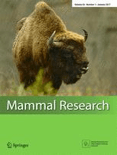
Mammal Research
Unveiling the Mysteries of Mammalian LifeMammal Research, published by Springer Heidelberg, is a prominent academic journal dedicated to advancing knowledge in the fields of Animal Science, Zoology, Ecology, Evolution, and Behavior. With an impressive Q2 ranking in both Animal Science and Zoology and Ecology, Evolution, Behavior and Systematics as of 2023, this journal is an essential resource for researchers and professionals seeking to publish innovative findings that contribute to our understanding of mammalian biology. The journal operates under an Open Access model, allowing a wide audience to access and engage with high-quality research articles. Converging between 2015 to 2024, Mammal Research serves as a vital platform for scholarly discourse, promoting rigorous scientific inquiry and collaboration among experts and students alike in the fascinating study of mammals.
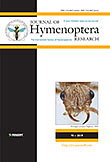
JOURNAL OF HYMENOPTERA RESEARCH
Empowering Global Collaboration in Entomological StudiesJOURNAL OF HYMENOPTERA RESEARCH is a leading open-access publication dedicated to the advancement of knowledge in the fields of Insect Science, Animal Science and Zoology, and Ecology. Published by Pensoft Publishers since 2011, this journal plays a critical role in facilitating the exchange of significant research findings and insights related to Hymenoptera, a diverse order of insects that includes bees, wasps, and ants. With a commendable impact factor and ranked in the Q1 category for Insect Science and Animal Science, the journal stands out within the scientific community, drawing contributions from researchers globally. Boasting an ISSN of 1070-9428 and an E-ISSN of 1314-2607, the journal not only ensures broad accessibility to its content but also fosters a collaborative environment for professionals and students alike to engage with pioneering research. By reflecting on the converged years of 2007-2024, the JOURNAL OF HYMENOPTERA RESEARCH remains a vital resource for understanding the ecological and evolutionary dynamics of this important group of insects, solidifying its position as a cornerstone in entomological studies.