
Materials Today Bio
metrics 2024
Advancing the frontier of bioengineering and biomaterials.
Introduction
Materials Today Bio, published by Elsevier, is an esteemed open-access journal dedicated to advancing the fields of bioengineering, biomaterials, and biomedical engineering. Since its inception in 2019, this journal has quickly made a name for itself, currently ranked Q1 in multiple categories including Bioengineering, Biomaterials, and Biotechnology, reflecting its exceptional quality and relevance in the rapidly evolving landscape of bio-related sciences. With an impressive Scopus ranking positioning it in the top 25% of its categories, Materials Today Bio provides a vital platform for researchers and professionals to share cutting-edge discoveries and innovative applications that bridge the gap between materials science and biological studies. Accessible to a global audience, this journal not only fosters collaboration among the scientific community but also aims to highlight significant advancements in cell and molecular biology, making it an indispensable resource for students and seasoned experts alike. The journal's commitment to open access since 2019 underscores its dedication to disseminating knowledge widely, ensuring that crucial findings reach those who can benefit from them the most.
Metrics 2024
 1.528.708.8037
Metrics History
Rank 2024
Scopus
IF (Web Of Science)
JCI (Web Of Science)
Quartile History
Similar Journals

Journal of Functional Biomaterials
Innovating the Future of BiomaterialsJournal of Functional Biomaterials is a prominent peer-reviewed journal dedicated to the innovation and application of biomaterials, covering vital fields such as biomedical engineering and materials science. Published by MDPI in Switzerland, this Open Access journal has been serving the academic community since 2010, allowing unrestricted access to groundbreaking research. With an impressive Q2 ranking in both Biomaterials and Biomedical Engineering for 2023, it stands as a significant contributor to the fields it represents. Researchers will find the journal's focus on functional biomaterials particularly relevant, as it encompasses a diverse range of studies aimed at enhancing the performance and applicability of biomaterials in medical contexts. The journal's commitment to disseminating high-quality research fosters collaboration and innovation among professionals, making it an essential resource for anyone involved in this dynamic area of study.

Progress in Biomaterials
Innovating at the Intersection of Science and EngineeringProgress in Biomaterials is a premier journal published by Springer Heidelberg, dedicated to advancing the field of biomaterials through the dissemination of high-quality research articles, reviews, and case studies. The journal, with an ISSN of 2194-0509 and an E-ISSN of 2194-0517, holds an esteemed position within both the Biomaterials and Chemical Engineering fields, as evidenced by its rankings in the Q2 and Q1 quartiles, respectively. With its convergence over the years from 2013 to 2023, it has maintained a strong impact on scientific discourse, ranking #15 in Chemical Engineering and #30 in Biomaterials according to Scopus metrics. The journal is based in Heidelberg, Germany, and aims to provide an open platform for interdisciplinary collaboration amongst researchers, professionals, and students alike, fostering innovation and progress in biomaterials research. As a crucial resource for those engaged in this dynamic field, it empowers authors and readers to explore the latest trends, technologies, and applications in biomaterials development.

International Journal of Biomaterials
Unlocking the potential of biomaterials for enhanced medical technologies.The International Journal of Biomaterials, published by HINDAWI LTD, is a premier platform for disseminating groundbreaking research in the fields of biomaterials and biomedical engineering. With an Open Access approach since 2009, this journal provides unhindered access to innovative studies and applications aimed at advancing medical technologies and improving patient outcomes. Notably ranked in the Q3 category for both Biomaterials and Biomedical Engineering in 2023, it serves as an essential resource for researchers, practitioners, and students alike. The journal's Scopus rankings, including a 49th percentile in Biomedical Engineering and a 40th percentile in Biomaterials, further underscore its growing prominence in the academic community. With contributions spanning from 2011 to 2024, the journal seeks to foster collaborative research and promote developments that enhance the understanding and application of biomaterials in healthcare.

Journal of Biological Engineering
Connecting Scholars to Drive Biological InnovationJournal of Biological Engineering, published by BMC, stands as a prominent Open Access journal since 2007, dedicated to advancing the interdisciplinary field of biological engineering. With an ISSN of 1754-1611, this UK-based journal aims to provide a platform for researchers and professionals to disseminate innovative and impactful research across various domains including Biomedical Engineering, Environmental Engineering, Cell Biology, and Molecular Biology. The journal's notable rankings in the 2023 category quartiles exemplify its position within the scientific community, featuring Q2 status in Biomedical Engineering and Environmental Engineering, along with Q3 in Cell Biology and Q2 in Molecular Biology. By maintaining robust Scopus rankings and ensuring free access to cutting-edge research, the Journal of Biological Engineering plays a crucial role in driving discovery and collaboration among scholars, thereby enriching both the academic landscape and applied sciences.
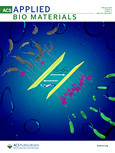
ACS Applied Bio Materials
Elevating Research Standards in Bioengineering and Material InnovationACS Applied Bio Materials is a leading academic journal published by the American Chemical Society, focusing on the innovative intersection of bioengineering and materials science. Since its inception in 2018, the journal has established itself as a pivotal platform for disseminating impactful research within the fields of Biochemistry, Biomaterials, Biomedical Engineering, and Chemistry, often ranked in the top tiers of these categories. With an impressive impact factor, it holds a Q2 ranking in both Biochemistry and Biomaterials, and a prestigious Q1 ranking in Biomedical Engineering and miscellaneous Chemistry, underscoring its significance in advancing knowledge and practices across these disciplines. The journal’s editorial commitment to high-quality, peer-reviewed research ensures relevance and rigor, appealing to a diverse audience of researchers, professionals, and students keen to explore breakthroughs in bio-related materials technology. The access options enhance its visibility and reach, allowing for a broader dissemination of studies that drive innovation and collaboration in biotechnology and material sciences. Located in the heart of Washington, DC, ACS Applied Bio Materials serves as a crucial resource for advancing the future of healthcare, engineering, and materials research.

Frontiers in Bioengineering and Biotechnology
Exploring New Horizons in Bioengineering and BiotechnologyFrontiers in Bioengineering and Biotechnology, published by FRONTIERS MEDIA SA in Switzerland, stands as a leading platform for innovative research and developments in the fields of bioengineering and biotechnology. Since its inception in 2013, this Open Access journal has garnered significant recognition, reflected in its impressive category rankings: Q1 in Biomedical Engineering and Q2 in Bioengineering, Biotechnology, and Histology for 2023. With a focus on fostering collaboration and knowledge sharing, it aims to provide researchers, professionals, and students with access to pioneering studies that push the boundaries of science and technology. The journal, which is indexed in prominent databases, boasts high visibility and impact, evidenced by its impressive rankings across various categories in Scopus. As it continues to converge from 2013 to 2024, Frontiers in Bioengineering and Biotechnology is dedicated to shaping the discourse in its field and promoting advancements that have the potential to transform healthcare and environmental sustainability.

Materials Science & Engineering C-Materials for Biological Applications
Connecting materials science with biological advancements.Materials Science & Engineering C-Materials for Biological Applications is a premier journal published by ELSEVIER, dedicated to advancing the field of biomaterials through interdisciplinary research. With a robust ISSN of 0928-4931, this journal has made its mark in the realms of Chemical Engineering and Materials Science, achieving impressive Scopus rankings within its categories, namely Rank #16/151 in Bioengineering (89th percentile) and Rank #13/112 in Biomaterials (88th percentile). Although the journal's coverage in Scopus has been discontinued since 2021, it remains a critical resource for researchers, professionals, and students eager to explore innovative materials and their applications in biological contexts. The journal’s open access policy enhances its accessibility, fostering a global exchange of knowledge and inspiring future advancements in the field of materials science.

JOURNAL OF BIOMATERIALS SCIENCE-POLYMER EDITION
Pioneering research in polymer-based solutions for biomedicine.JOURNAL OF BIOMATERIALS SCIENCE-POLYMER EDITION, published by Taylor & Francis Ltd, is a distinguished scholarly journal dedicated to the exploration of biomaterials and their applications in various fields such as bioengineering, biomedical engineering, and biophysics. With an ISSN of 0920-5063 and an E-ISSN of 1568-5624, this journal offers a platform for researchers and professionals to share innovative findings and methodologies that advance the science of polymer-based biomaterials. The journal's impact within the academic community is underscored by its notable Scopus rankings, including a Q2 status in both Biomedical Engineering and Biophysics as of 2023, reflecting its significant contribution to advancing knowledge and practice in these fields. The scope of the journal spans from fundamental research to applications in medical devices and regenerative medicine, ensuring comprehensive coverage of the latest trends and breakthroughs. Although it does not currently offer open access options, the journal remains a pivotal resource for students, researchers, and professionals committed to the development and application of biomaterials in healthcare. For further details, the journal is based in Abingdon, United Kingdom, at 2-4 Park Square, Milton Park, OX14 4RN.

Biomaterials Research
Unveiling the potential of biomaterials for healthcare.Biomaterials Research, published by the American Association for the Advancement of Science, is a prominent open access journal established in 2014, dedicated to advancing the field of biomaterials. Based in the United Kingdom, this journal has swiftly become an essential platform for researchers and practitioners, offering groundbreaking insights in biomaterials, biomedical engineering, ceramics and composites, and miscellaneous medical fields. With its impressive Q1 ranking across multiple relevant categories in 2023 and its strong Scopus rankings, including a remarkable 90th percentile in the medicine category, Biomaterials Research showcases high-quality, peer-reviewed research designed to address both practical and theoretical challenges in biomaterials science. As an open access journal, it promotes wider dissemination and accessibility of research findings, crucial for fostering innovation and collaboration within the scientific community. Researchers, professionals, and students alike are encouraged to contribute, read, and engage with the latest developments in this dynamic field.

Journal of Tissue Engineering and Regenerative Medicine
Exploring breakthroughs in biomaterials and regenerative therapies.Journal of Tissue Engineering and Regenerative Medicine, published by WILEY, stands as a pivotal platform in the fields of biomaterials, biomedical engineering, and regenerative medicine. With an ISSN of 1932-6254 and an E-ISSN of 1932-7005, this journal, based in the United Kingdom, has consistently delivered high-quality research since its inception in 2006, converging critical insights through 2024. With an impressive citation profile reflected in its Scopus rankings—specifically a rank of #58 in Medicine and #75 in Biomedical Engineering—the journal is acknowledged for its substantial impact, as demonstrated by its competitive quartile standings in 2023. Notably, it maintains a Q3 ranking in Biomaterials and Q2 in both Biomedical Engineering and Medicine (miscellaneous), showcasing its influence and relevance in the rapidly evolving interplay between engineering and medicine. The journal serves as a vital resource for researchers and practitioners aiming to stay abreast of innovations and breakthroughs in regenerative therapies, tissue scaffolds, and biomaterials. While not an open-access publication, it fosters academic dialogue and knowledge dissemination that is crucial for advancing the field.