
Metals
metrics 2024
Connecting researchers with cutting-edge findings in metallurgy.
Introduction
Metals is an esteemed open access journal published by MDPI, focusing on the diverse field of metallurgical science and its applications. Since its inception in 2011, the journal has provided a platform for the dissemination of high-quality research regarding the behavior, processing, and properties of metals and alloys. With an E-ISSN of 2075-4701, it has quickly established itself within the scientific community, achieving a remarkable Q1 ranking in the realm of Metals and Alloys and a Q2 rank in general Materials Science as of 2023. The journal is situated in Switzerland and is committed to the principles of open access, ensuring that findings are accessible to a broad audience without subscription barriers. With its notable impact factor and a strong emphasis on innovative research, Metals serves as an essential resource for researchers, professionals, and students seeking to advance their knowledge and understanding in the ever-evolving landscape of metallurgical studies.
Metrics 2024
 -2.602.70-
Metrics History
Rank 2024
IF (Web Of Science)
JCI (Web Of Science)
Quartile History
Similar Journals
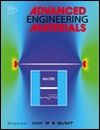
ADVANCED ENGINEERING MATERIALS
Unlocking the Potential of Innovative MaterialsADVANCED ENGINEERING MATERIALS is a leading journal dedicated to the field of materials science, particularly within the realm of condensed matter physics. Published by WILEY-V C H VERLAG GMBH in Germany, this esteemed journal has been a crucial platform for disseminating cutting-edge research since its inception in 1999. With an impressive impact factor and ranked in the top quartiles of its categories, it boasts a Q1 ranking in Condensed Matter Physics and a Q2 rank in related materials science fields as of 2023. ADVANCED ENGINEERING MATERIALS serves a diverse readership, including researchers, industry professionals, and students, striving to advance the understanding and application of innovative materials. Frequent contributions to this journal help bridge theoretical advancements with practical applications, fostering a vibrant academic and industrial dialogue. Although currently not an open-access journal, the insights shared within its pages are pivotal for anyone engaged in the dynamic sectors of engineering and material sciences.
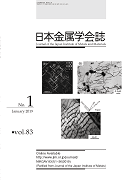
Journal of the Japan Institute of Metals and Materials
Exploring innovations in metals and materials research.Journal of the Japan Institute of Metals and Materials (ISSN: 0021-4876, E-ISSN: 1880-6880) serves as a vital academic platform under the esteemed auspices of the Japan Institute of Metals & Materials. This journal, with a rich publication history dating back to 1937, focuses on advancing knowledge in the fields of metallurgy, materials science, and engineering, making it an important resource for researchers, professionals, and students alike. Although the journal has been categorized in Q4 quartiles across several subject areas, including Condensed Matter Physics and Materials Chemistry, it plays a critical role in disseminating essential findings and fostering discussion regarding innovations in metal and materials research. Notably, the journal operates without open access, which encourages targeted readership engagement through its curated content. Based in Japan, it continues to contribute significantly to the academic community by bridging the gap between scientific inquiry and practical application in materials technology.
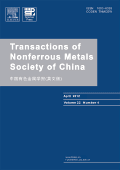
TRANSACTIONS OF NONFERROUS METALS SOCIETY OF CHINA
Driving progress in nonferrous metals research and applications.TRANSACTIONS OF NONFERROUS METALS SOCIETY OF CHINA, published by Elsevier, is a premier academic journal that serves as a vital platform for researchers and professionals specializing in materials science, condensed matter physics, geotechnical engineering, and engineering geology. Established in 1994, this esteemed publication has maintained a robust focus on the latest developments in the nonferrous metals sector, reflecting its significant impact in the field with a Q1 categorization across multiple disciplines. With impressive Scopus rankings—placing it in the top 20% of journals in relevant categories—this journal is recognized for its quality and rigor, providing critical insights into metals and alloys, materials chemistry, and their applications. The non-open access format ensures a dedicated readership among professionals and academics seeking substantial and authoritative research articles. By fostering knowledge exchange, the journal strives to advance the understanding and application of nonferrous metals, making it an essential resource for anyone involved in material innovations and engineering solutions.
TRANSACTIONS OF THE INDIAN INSTITUTE OF METALS
Showcasing groundbreaking research in metals and alloys.TRANSACTIONS OF THE INDIAN INSTITUTE OF METALS is a premier journal published by Springer India, dedicated to the field of metallurgy and materials science. Established in 1969, this journal serves as a vital platform for researchers and professionals to disseminate their findings on metals and alloys, showcasing innovative studies and experimental techniques. With an impressive impact factor and categorized in the Q2 quartile for metals and alloys as of 2023, it ranks 70 out of 176 in its field according to Scopus, placing it in the 60th percentile. The journal maintains a robust reputation for fostering academic excellence, thus attracting contributions from both established and emerging scholars. Though not an open access publication, its well-curated content remains a crucial resource for advancing knowledge and technology in metallurgy. The journal's extensive operational history, particularly during notable converged years, underscores its enduring significance in the scientific community.

Uspekhi Fiziki Metallov-Progress in Physics of Metals
Pioneering Research in the Physics of MetalsUspekhi Fiziki Metallov - Progress in Physics of Metals, published by the G V KURDYUMOV INST METAL PHYSICS NAS UKRAINE, is a distinguished open-access journal that has been advancing the field of metal physics since 2000. With an ISSN of 1608-1021 and E-ISSN of 2617-0795, this journal is pivotal for disseminating rigorous research findings and innovations across diverse subfields including Condensed Matter Physics, Electronic, Optical and Magnetic Materials, and Fluid Flow and Transfer Processes. The journal's strong impact, reflected in its Q2 and Q3 quartile rankings across several categories and a commendable Scopus ranking, places it at the forefront of materials science and engineering. Researchers, professionals, and students can benefit from its rich repository of high-quality articles aimed at fostering knowledge and collaboration in metal physics. With an accessible repository and commitment to the open-access model, Progress in Physics of Metals strives to make significant contributions to the global scientific community, shaping the future of metal-based research.
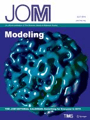
JOM
Driving discoveries in materials science and engineering.JOM, published by Springer, is a leading academic journal dedicated to advancing research in the fields of Engineering and Materials Science. With an ISSN of 1047-4838 and an E-ISSN of 1543-1851, JOM has established itself as a reputable source of scholarly articles, contributing significantly to the understanding and development of materials and their applications in engineering. As of 2023, it ranks in the second quartile (Q2) in both the Engineering (miscellaneous) and Materials Science (miscellaneous) categories, showcasing its influence and academic rigor. With a Scopus rank of #84 in General Engineering and #212 in General Materials Science, JOM is positioned as a vital resource for academics and professionals aiming to stay abreast of the latest research trends and innovations. Although the journal does not currently offer open access options, its commitment to quality publishing continues to make it an essential read for researchers and students alike, fostering a collaborative environment for growth and discovery in the materials science community.
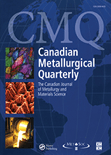
CANADIAN METALLURGICAL QUARTERLY
Advancing Metallurgical Knowledge, One Quarter at a Time.Canadian Metallurgical Quarterly is a prestigious scholarly journal published by Taylor & Francis Ltd, dedicated to the field of metallurgical engineering and materials science. With a rich history dating back to its inception in 1962 and continuing through its most recent publications, this journal serves as a vital platform for the dissemination of innovative research, advancements, and critical reviews in metallurgy, metals, and alloys. Positioned strategically within the academic community, it holds a significant impact factor and is currently rated in the Q2 category for Metals and Alloys, and Q3 in Industrial and Manufacturing Engineering as of 2023, showcasing its authoritative role in these disciplines. Although it does not offer open access, the journal remains widely recognized for its rigorous peer-review process, ensuring that published work adheres to the highest standards of scientific quality. Researchers, professionals, and students alike will find invaluable insights and contributions that drive the field forward.
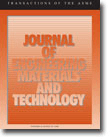
JOURNAL OF ENGINEERING MATERIALS AND TECHNOLOGY-TRANSACTIONS OF THE ASME
Elevating the discourse on materials technology and its impact.JOURNAL OF ENGINEERING MATERIALS AND TECHNOLOGY-TRANSACTIONS OF THE ASME is a premier journal published by the American Society of Mechanical Engineers (ASME), dedicated to advancing the field of engineering materials and technology. With an ISSN of 0094-4289 and E-ISSN 1528-8889, this journal has provided invaluable insights since its inception in 1973. Operating from its headquarters in New York, United States, it serves a global audience of researchers, professionals, and students alike. The journal is recognized for its rigorous peer-review process and its commitment to disseminating high-quality research, currently holding a Q3 quartile ranking across multiple categories including Condensed Matter Physics, Materials Science, Mechanical Engineering, and Mechanics of Materials. With a focus on exploring innovative materials and their applications, it aims to foster collaboration and discovery in the engineering community. Although it is not an open-access journal, it continues to play a vital role in shaping the future of engineering materials research up to 2024. Researchers and practitioners will find in this journal a significant platform to support the development and understanding of engineering materials, making contributions that resonate through academia and industry.

Obrabotka Metallov-Metal Working and Material Science
Exploring Innovations in Material ProcessingObrabotka Metallov-Metal Working and Material Science is a pivotal journal published by Novosibirsk State Technical University, focusing on the dynamic fields of mechanical engineering, mechanics of materials, and the science of metals and alloys. With ISSN 1994-6309 and E-ISSN 2541-819X, the journal serves as a crucial platform for disseminating research from Russia and around the globe. Currently classified in the Q4 category for Mechanical Engineering and Mechanics of Materials, as well as Q3 for Metals and Alloys, it encompasses a wide range of studies from fundamental research to innovative applications. Despite its relatively recent inception in 2019, the journal has established itself with Scopus rankings that highlight its growing influence—Rank #122 out of 176 in Materials Science and Rank #510 out of 672 in Engineering. This journal aims to foster collaboration among researchers, professionals, and students by featuring original articles, reviews, and technical notes that address contemporary challenges in metal processing and material science. As it continues to evolve through 2024, Obrabotka Metallov remains dedicated to enhancing the understanding and application of materials science, making it a significant resource for those invested in the future of engineering and technology.
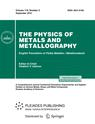
PHYSICS OF METALS AND METALLOGRAPHY
Unveiling the Physics Behind Metal PropertiesPhysics of Metals and Metallography, published by MAIK Nauka/Interperiodica/Springer, is a respected journal dedicated to the study of the physical properties of metals and their metallographic analysis, offering invaluable insights for researchers, professionals, and students in the fields of condensed matter physics and materials chemistry. With an ISSN of 0031-918X and an E-ISSN of 1555-6190, the journal has a rich history that spans from 1970 to 2024, reflecting a long-standing commitment to advancing knowledge in this vital area of materials science. Although it currently does not offer Open Access options, its strong placement in the academic landscape is underscored by its Q3 ranking in both Condensed Matter Physics and Materials Chemistry, according to 2023 metrics, and a Scopus ranking that places it within the competitive percentile of its fields. The journal is particularly important for those engaged in the cutting-edge research and technological applications of metals and alloys, making it an essential resource for anyone looking to deepen their understanding or contribute original findings to this dynamic discipline.