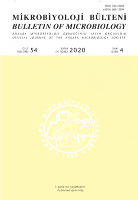
MIKROBIYOLOJI BULTENI
metrics 2024
Shaping the Future of Microbial Science
Introduction
MIKROBIYOLOJI BULTENI, with ISSN 0374-9096, is a prestigious academic journal published by the ANKARA MICROBIOLOGY SOC, located in Ankara, Turkey. Established in 1973, this journal has been a vital conduit for disseminating research in the fields of Immunology, Microbiology, and Infectious Diseases, garnering a reputation as a significant contributor to the scientific community. The journal is currently ranked in the Q3 category within Immunology and Microbiology (miscellaneous), and Infectious Diseases, indicating its impactful presence amidst contemporary research. With access options that may be restricted, MIKROBIYOLOJI BULTENI actively welcomes submissions that advance the understanding of critical microbiological principles and practices, thereby supporting both national and international research efforts. Researchers, professionals, and students are encouraged to explore the latest findings shared in this journal, as it continually shapes the landscape of microbiology and infectious disease studies through its comprehensive and rigorous peer-reviewed publications.
Metrics 2024
 0.271.100.9024
Metrics History
Rank 2024
Scopus
IF (Web Of Science)
JCI (Web Of Science)
Quartile History
Similar Journals

Frontiers in Cellular and Infection Microbiology
Empowering science through open access innovation.Frontiers in Cellular and Infection Microbiology, published by FRONTIERS MEDIA SA, is a leading Open Access journal that has been at the forefront of microbiological research since 2011. Located in Switzerland, this journal aims to provide a platform for innovative and impactful studies in various domains including immunology, infectious diseases, and medical microbiology. With an impressive range of quartile rankings—Q1 in Infectious Diseases, Microbiology, and Microbiology (medical), and Q2 in Immunology—as of 2023, it positions itself as a highly reputable source in the academic community. Furthermore, its Scopus rankings highlight its significance within the respective fields, with top percentiles in key categories, making it an essential resource for researchers, professionals, and students alike. As an Open Access publication, it ensures that vital findings are accessible to a global audience, fostering collaboration and advancement in science.
MICROBIOLOGICAL RESEARCH
Exploring the Depths of Microbial InnovationMICROBIOLOGICAL RESEARCH, published by Elsevier GmbH, serves as a leading platform for advancements in the field of Microbiology, holding an impressive Q1 ranking in its category as of 2023. With an ISSN of 0944-5013 and E-ISSN 1618-0623, this journal has been instrumental in disseminating high-quality research since its inception in 1994 and continues to contribute significantly to the academic landscape through 2024. Positioned within the top 13% of publications in the Immunology and Microbiology category, ranked #24 out of 182 according to Scopus, it attracts the attention of researchers, professionals, and students alike. While the journal is not open access, it offers vital insights and peer-reviewed articles that drive innovation and exploration within microbiological research. Its rigorous selection process underscores the importance of quality and relevance in advancing knowledge in this dynamic field.

mSphere
Empowering breakthroughs in the world of microorganisms.mSphere is a leading open-access journal published by the American Society for Microbiology, dedicated to the dynamic fields of Microbiology and Molecular Biology. Since its inception in 2016, mSphere has rapidly established itself as a reputable source of scholarly research, achieving notable impact factors and excellence within the academic community. The journal ranks in the top quartile (Q1) amongst its peers in Microbiology, and Q2 in the field of Molecular Biology, demonstrating its significance and relevance through Scopus rankings—specifically, it holds the #42 spot out of 182 in the Microbiology category and #108 out of 410 in Molecular Biology. With an editorial commitment to advancing the understanding of microbial and molecular sciences, mSphere provides an accessible platform for researchers, professionals, and students alike to disseminate groundbreaking findings. The journal promotes rigorous peer-review and invites innovative contributions aimed at enhancing microbial research mobility and molecular exploration. Accessible openly since 2016, mSphere continues to thrive as an influential publication driving scientific dialogue and discovery in the microbiological sciences.
INTERNATIONAL JOURNAL OF MEDICAL MICROBIOLOGY
Bridging Microbiology and Clinical ExcellenceWelcome to the International Journal of Medical Microbiology, a leading publication in the field of microbiological research and infectious diseases, offered by Elsevier GmbH. Established in 2000, this esteemed journal provides a scholarly platform for the presentation of high-quality research, reviews, and innovations that bridge medical microbiology and clinical applications. With an impressive impact factor positioning it within the Q1 category across multiple disciplines, including Infectious Diseases, Microbiology, and Medicine, the journal is recognized for its rigorous peer-review process and significant contributions to advancing our understanding of microbial pathogenesis, diagnostics, and therapeutics. The International Journal of Medical Microbiology is committed to open access, promoting the dissemination of knowledge and accessibility for researchers, professionals, and students worldwide. Based in Munich, Germany, the journal continues to play a vital role in the global scientific community, fostering collaborations and inspiring future innovations in the fight against infectious diseases.
MEDICAL MICROBIOLOGY AND IMMUNOLOGY
Driving innovation in the study of microbes and their immune interactions.Medical Microbiology and Immunology is a renowned journal published by Springer, serving as a pivotal resource in the fields of microbiology and immunology. Established in 1971 and continuing its legacy through 2024, this journal features cutting-edge research and reviews that address critical advancements and challenges within these dynamic fields. With an impressive impact factor and a robust ranking, including Q1 categories in both Microbiology (medical) and Immunology, it stands at the forefront of scholarly communication, ranking 21st out of 140 in the realm of Medical Microbiology. Researchers and professionals are encouraged to explore a variety of studies that delve into the interactions between microorganisms and the immune system, making it an essential resource for anyone fascinated by these interconnected realms of health sciences. Although not open access, the journal is widely accessible through institutional libraries, ensuring that significant findings reach a global audience. The University of New York Plaza serves as its operational hub in the USA, reinforcing its international influence and dedication to advancing knowledge in microbiology and immunology.
Microbiology Research
Connecting Researchers to the Microbial WorldMicrobiology Research, published by MDPI, stands as a pivotal open-access journal in the field of microbiology, having established its presence since 2010. Based in Switzerland, this journal strives to provide a platform for innovative research and cutting-edge findings in various branches of microbiology, including medical microbiology and molecular biology. With an impact factor that reflects its dedication to scholarly excellence, Microbiology Research is classified in the Q3 category for both microbiology and medical microbiology, and Q4 for molecular biology as of 2023, indicating its growing importance and outreach within these domains. The journal aims to foster discussion and collaboration among researchers, professionals, and students by presenting articles that cover a wide array of topics and methodologies in microbiological research. Leveraging its open-access model, Microbiology Research ensures that high-quality research is accessible to a global audience, thus facilitating the advancement of knowledge and innovation in the microbial sciences.

Jundishapur Journal of Microbiology
Nurturing a community dedicated to microbial discovery.Welcome to the Jundishapur Journal of Microbiology, a peer-reviewed publication dedicated to advancing the field of microbiology. Published by BRIEFLAND, this journal focuses on key areas such as infectious diseases and medical microbiology, offering a platform for researchers to share their findings from 2009 to 2024. Despite its current positioning in Quartile 4 across various categories in 2023, the journal provides a valuable resource for budding scientists and established professionals alike, contributing to the growing body of knowledge in these critical areas. While it is not an open-access journal, the Jundishapur Journal prioritizes the dissemination of research in the Netherlands, facilitating a deeper understanding of microbial science and its implications for public health. Join a community of innovators committed to exploring both emerging and established themes in microbiology.
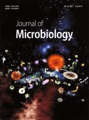
JOURNAL OF MICROBIOLOGY
Unveiling the mysteries of microbes for health and industry.JOURNAL OF MICROBIOLOGY, published by the Microbiological Society Korea, is a prestigious peer-reviewed journal dedicated to the advancement of knowledge in the fields of microbiology, applied microbiology, and biotechnology. Established in 1996, this journal serves as a vital platform for researchers and professionals from around the globe to disseminate their findings and engage in multidisciplinary discussions pertaining to microbial sciences. With an H-index that reflects its impact, the journal holds a commendable Q2 ranking in key categories including Applied Microbiology and Biotechnology, as well as Medicine (Miscellaneous), which underscores its significance in the academic community. Despite being a subscription-based journal, the JOURNAL OF MICROBIOLOGY aims to contribute to the understanding of microbial processes and their applications, facilitating advancements that are essential in health, industry, and environmental sciences. Researchers, students, and practitioners are encouraged to explore this rich resource for the latest research and trends in microbiology.
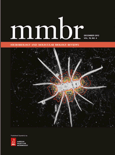
MICROBIOLOGY AND MOLECULAR BIOLOGY REVIEWS
Connecting Research and Discovery in Microbiology and Molecular BiologyMICROBIOLOGY AND MOLECULAR BIOLOGY REVIEWS, published by the American Society for Microbiology, is a premier journal dedicated to advancing the fields of microbiology and molecular biology. With an impressive impact factor reflective of its Q1 ranking in categories such as Immunology, Infectious Diseases, and Molecular Biology, this journal consistently showcases high-quality, peer-reviewed articles that contribute to the current understanding of microbial life and molecular mechanisms. Operating since 1997, the journal aims to bridge the gap between microbiological methods and molecular biology applications, making it an essential resource for researchers, professionals, and students alike. Readers can access content through various platforms, ensuring that the latest findings are readily available to the scientific community. With its esteemed reputation, MICROBIOLOGY AND MOLECULAR BIOLOGY REVIEWS remains a leading voice in the exploration of the life sciences, catering to a broad audience deeply invested in unraveling the complexities of microbial and molecular systems.

Microbiology Australia
Connecting Scholars to the Heart of Microbial ScienceMicrobiology Australia is a prominent journal published by CSIRO PUBLISHING, focusing on the diverse and rapidly evolving field of microbiology. Since its transition to Open Access in 2021, it has broadened its accessibility, fostering greater dissemination of research findings among scholars and practitioners. The journal features a range of topics that are pivotal for understanding microbial systems in applied microbiology, medical microbiology, public health, and environmental applications. Despite its current categorization in the Q4 quartile across several categories, it remains an essential platform for emerging research and innovative methodologies. Researchers and professionals can benefit from the journal's commitment to enriching the global discourse on microbiological advancements. With its ISSN 1324-4272 and E-ISSN 2201-9189, Microbiology Australia caters to a wide audience in Australia and beyond, making significant strides in bridging the gap between research and practical applications in microbiology.