MOLECULAR AND CELLULAR ENDOCRINOLOGY
metrics 2024
Exploring the frontiers of biochemistry and endocrinology.
Introduction
MOLECULAR AND CELLULAR ENDOCRINOLOGY, published by Elsevier Ireland Ltd, stands as a pivotal resource in the fields of biochemistry, endocrinology, and molecular biology. With an ISSN of 0303-7207 and E-ISSN of 1872-8057, this esteemed journal has been disseminating significant findings since its inception in 1974 and continues to do so through 2024. Ranked in the Q1 quartile for Biochemistry and Q2 for both Endocrinology and Molecular Biology, it is recognized for its impactful contributions to research, holding impressive Scopus rankings that place it at the forefront of its category. The journal's wide-reaching influence is underscored by its commitment to quality, ensuring that only the most impactful articles advance the understanding of cellular mechanisms and hormonal regulation. Although not open-access, its relevance and rigorous peer-review process make it an essential read for researchers, professionals, and students eager to explore the complexities of endocrinology and biochemistry.
Metrics 2024
 1.133.803.70166
Metrics History
Rank 2024
Scopus
IF (Web Of Science)
JCI (Web Of Science)
Quartile History
Similar Journals
JOURNAL OF ENDOCRINOLOGY
Elevating Understanding of Endocrine SystemsJOURNAL OF ENDOCRINOLOGY, established in 1946 and published by BIOSCIENTIFICA LTD, stands as a premier scholarly outlet in the field of endocrinology, diabetes, and metabolism. With an impressive H-Index reflecting its significant contribution to the literature, this journal maintains a strong presence in academic circles, evidenced by its Q1 ranking in the 2023 Scopus categories for both Endocrinology and Diabetes and Metabolism. With its targeted scope serving a global audience of researchers, professionals, and students, it provides a vital platform for disseminating innovative research findings and advancing the scientific understanding of endocrine systems. As we approach its convergence year of 2024, JOURNAL OF ENDOCRINOLOGY remains committed to publishing high-quality, peer-reviewed articles that explore cutting-edge developments in the field, thereby impacting clinical practices and guiding future research directions.
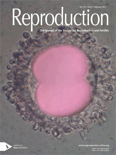
REPRODUCTION
Innovating insights into reproductive mechanisms.REPRODUCTION, published by BIOSCIENTIFICA LTD, stands at the forefront of research in the fields of reproductive and developmental biology. With a focus on advancing our understanding of reproductive health and mechanisms, the journal has garnered an impressive reputation, consistently ranking in the first quartile for key categories including Embryology, Endocrinology, Obstetrics and Gynecology, and Reproductive Medicine in 2023. Notably, it holds an esteemed position in the Scopus rankings, with high percentiles that reflect its significant impact in the scientific community. The journal is committed to open access, promoting the broad dissemination of high-quality research to facilitate innovative discoveries and interdisciplinary collaboration. Situated in the United Kingdom, REPRODUCTION serves as a vital resource for researchers, professionals, and students eager to contribute to the evolving landscape of reproductive sciences and related fields.

Hormones and Behavior
Charting New Territories in Hormonal Effects on BehaviorHormones and Behavior, published by Academic Press Inc, Elsevier Science, serves as a premier forum dedicated to the multifaceted relationship between hormonal mechanisms and behavioral outcomes. With roots tracing back to 1969, this journal has cultivated a diverse scope that crosses the domains of Behavioral Neuroscience, Endocrinology, and Endocrine and Autonomic Systems, solidifying its position in the scientific community with an impressive Q2 ranking in these categories as of 2023. As a vital resource for researchers, professionals, and students, the journal emphasizes innovative research that unveils the intricate interplay between endocrine signals and behavioral patterns, thereby promoting a deeper understanding of physiological and psychological processes. Although not an open-access publication, Hormones and Behavior continues to garner respect in its field, with Scopus rankings highlighting its relevance and cutting-edge contributions to neuroscience and endocrinology, underpinning its mission to advance knowledge and inspire future explorations in these interconnected disciplines.

JOURNAL OF PEDIATRIC ENDOCRINOLOGY & METABOLISM
Pioneering Discoveries in Pediatric Metabolic HealthThe JOURNAL OF PEDIATRIC ENDOCRINOLOGY & METABOLISM, published by Walter de Gruyter GmbH, is a reputable peer-reviewed journal dedicated to advancing the field of pediatric endocrinology and metabolism. Since its inception in 1985, this journal has become a vital resource for professionals and researchers, providing insights into the latest advancements, clinical practices, and foundational research in the care of children with endocrine disorders. With a noted Q3 ranking in Endocrinology, Diabetes and Metabolism, and a robust focus on Pediatrics, Perinatology, and Child Health, it addresses important topics such as hormonal imbalances and metabolic syndromes in young populations. Despite its non-open access status, it continues to play an essential role in bridging the knowledge gap within our understanding of children's health and disease, contributing significantly to the progress in this specialized field.
JOURNAL OF MOLECULAR ENDOCRINOLOGY
Advancing the Frontiers of Hormonal ScienceJOURNAL OF MOLECULAR ENDOCRINOLOGY, published by BIOSCIENTIFICA LTD, is a prestigious academic journal that has made significant contributions to the fields of endocrinology and molecular biology since its inception in 1988. With an impressive impact factor that places it in the Q1 category for Endocrinology and Q2 for Molecular Biology, this journal is recognized for its rigorous peer-reviewed research that addresses key questions at the intersection of molecular mechanisms and hormonal regulation. The journal's accessibility within the Scopus rankings, notably positioned 45th out of 128 in Endocrinology, highlights its relevance and influence in shaping contemporary scientific discourse. Although the journal does not currently offer open access options, it remains an essential resource for researchers, professionals, and students eager to explore groundbreaking discoveries and advancements in the hormonal sciences. The JOURNAL OF MOLECULAR ENDOCRINOLOGY continues to pave the way for critical exploration and innovation, ensuring its place as a vital publication for the advancement of knowledge in molecular endocrinology.

Endocrine Practice
Empowering Professionals Through Endocrine ResearchEndocrine Practice is a premier journal dedicated to the dynamic and evolving field of endocrinology, published by Elsevier Inc.. With a significant emphasis on clinical practice, research, and advancements in the multidisciplinary domains of endocrinology, diabetes, and metabolism, this journal serves as a vital resource for researchers, healthcare professionals, and students alike. As a recognized leader in its field, it boasts an impressive impact factor and is ranked in the Q1 quartile for both Endocrinology and Medicine categories, reflecting its high-quality research contributions and relevance to contemporary clinical practice. The journal enjoys a robust reputation, achieving Scopus rankings with a placement of #57 out of 244 in Endocrinology, Diabetes and Metabolism, and #37 out of 128 in Biochemistry, Genetics and Molecular Biology. Although it is not available as open access, Endocrine Practice continues to disseminate critical findings from 2000 through to 2024, ensuring that professionals remain at the forefront of endocrine research and clinical application.

Acta Endocrinologica-Bucharest
Advancing knowledge in endocrinology and metabolism.Acta Endocrinologica-Bucharest is a vital resource for those engaged in the study and practice of endocrinology, diabetes, and metabolic research. Published by EDITURA ACAD ROMANE, this journal emphasizes the dissemination of high-quality research and insights specific to the fields of endocrinology and autonomic systems. Although categorized in the lower quartiles of its subject areas according to the latest rankings—Q4 in Endocrine and Autonomic Systems and Q4 in Endocrinology—it serves as an important platform for emerging scientific ideas and collaborative studies within the endocrinology community. With an ISSN of 1841-0987 and an E-ISSN of 1843-066X, the journal provides a significant opportunity for authors to contribute to the growing body of knowledge in these fields from its base in Romania. Researchers and practitioners alike will find valuable contributions that reflect both contemporary challenges and advances in endocrinology, reinforcing the journal's commitment to enhancing scholarly communication.
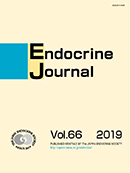
ENDOCRINE JOURNAL
Advancing knowledge in endocrinology and metabolism.ENDOCRINE JOURNAL, published by the Japan Endocrine Society, is a pivotal resource for researchers and professionals in the field of endocrinology, diabetes, and metabolism. With a long history dating back to 1954, this journal encompasses a comprehensive range of topics including hormonal regulation, pathophysiology of endocrine diseases, and innovative therapeutic approaches. Despite its classification as open access, the journal remains a beacon of knowledge, with impressive rankings—Q2 in Endocrinology, Diabetes and Metabolism and Q3 in Endocrinology for 2023—ensuring it is a respected source in the academic community. It serves as a critical platform for the dissemination of cutting-edge research, encouraging collaboration and facilitating advancements in understanding complex endocrine disorders. By subscribing to this journal, researchers and students gain access to seminal studies, clinical insights, and a wealth of information that drives this vital field forward.
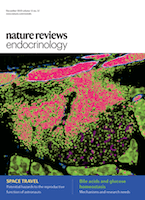
Nature Reviews Endocrinology
Delivering cutting-edge insights in endocrinology.Nature Reviews Endocrinology is a premier journal published by NATURE PORTFOLIO, providing comprehensive and critical reviews in the rapidly evolving field of endocrinology. Established to foster advanced understanding, it has become a vital resource for researchers, professionals, and students alike. With an impressive impact factor and a prominent ranking of Q1 in both Endocrinology and Endocrinology, Diabetes, and Metabolism categories for 2023, the journal is recognized for its high-quality research dissemination, evidenced by its rankings of #2 out of 244 in Medicine and #2 out of 128 in Biochemistry, Genetics, and Molecular Biology. Spanning the years from 2009 to 2024, it focuses on publishing cutting-edge information that shapes current scientific knowledge and clinical practices. The journal offers open access options, ensuring greater visibility and reach for its articles. Located in Germany, this journal remains at the forefront of endocrinology research, significantly contributing to the understanding of hormonal functions and their implications on health. Discover the latest advancements and insights by exploring Nature Reviews Endocrinology.
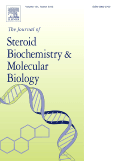
JOURNAL OF STEROID BIOCHEMISTRY AND MOLECULAR BIOLOGY
Elevating Knowledge in Steroid Research and Molecular BiologyJOURNAL OF STEROID BIOCHEMISTRY AND MOLECULAR BIOLOGY is a distinguished peer-reviewed journal published by Pergamon-Elsevier Science Ltd, committed to advancing the fields of biochemistry, molecular biology, and endocrinology. With an ISSN of 0960-0760 and an E-ISSN of 1879-1220, this journal has garnered a notable reputation, securing a Q2 ranking in numerous categories, including Biochemistry, Cell Biology, and Clinical Biochemistry, as of 2023. Hailing from the United Kingdom, it serves as a critical platform for the dissemination of impactful research from 1990 to 2025 and beyond. Although it does not currently offer open access options, the journal's comprehensive coverage and rigorous peer review process ensure high-quality publications that significantly contribute to the understanding of steroid biochemistry and related fields. Targeting a diverse audience of researchers, professionals, and students, the journal remains an essential resource for those seeking to stay at the forefront of scientific innovation and discovery.