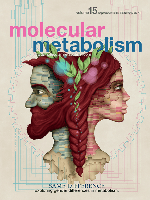
Molecular Metabolism
metrics 2024
Connecting Research to Real-World Health Implications
Introduction
Molecular Metabolism is a premier, open-access journal published by Elsevier, dedicated to advancing the understanding of metabolic processes at the molecular level. With an ISSN of 2212-8778 and a proud presence in Germany, the journal has made significant contributions to the fields of Cell Biology and Molecular Biology, consistently achieving a Q1 ranking in both categories as of 2023. The journal’s scope encompasses cutting-edge research that explores metabolic pathways, their regulation, and implications for human health, underscoring the interplay between metabolism and various biological functions. Researchers and professionals benefit from the journal’s robust visibility, as it ranks #40 among 410 journals in Molecular Biology and #35 among 285 in Cell Biology according to Scopus metrics, placing it in the top 10 percentile in its field. With open access since 2012, Molecular Metabolism ensures that groundbreaking research is available to all, fostering a collaborative and inclusive academic environment. Its commitment to excellence and accessibility makes it an invaluable resource for those invested in metabolic research.
Metrics 2024
 3.037.007.90100
Metrics History
Rank 2024
Scopus
IF (Web Of Science)
JCI (Web Of Science)
Quartile History
Similar Journals
PPAR Research
Unlocking the Potential of PPARs in Drug DiscoveryPPAR Research, an esteemed journal published by HINDAWI LTD, specializes in the rapidly evolving fields of drug discovery and pharmacology, contributing significantly to the body of research surrounding peroxisome proliferator-activated receptors (PPARs) and their roles in various biochemical processes. With an open access policy implemented since 2006, the journal ensures that its high-quality content is readily available, promoting widespread dissemination of knowledge. Currently ranked in the Q2 category for both Drug Discovery and Medical Pharmacology, it boasts a respectable position within the scientific community, evidenced by its Scopus rankings. PPAR Research serves as an essential resource for researchers, professionals, and students looking to advance their understanding of PPAR biology and its implications in therapeutic development. The journal's commitment to excellence and accessibility makes it a key player in supporting innovative research and critical discussions in the life sciences.
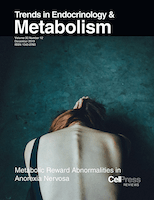
TRENDS IN ENDOCRINOLOGY AND METABOLISM
Unveiling trends that influence metabolic science.TRENDS IN ENDOCRINOLOGY AND METABOLISM, published by CELL PRESS, stands as a pivotal resource in the fields of endocrinology, diabetes, and metabolism. With its ISSN 1043-2760 and E-ISSN 1879-3061, this esteemed journal has been a leading platform since its inception in 1989, currently projected to span until 2024. Recognized within the top quartile (Q1) of its category, it boasts impressive Scopus rankings, holding the 4th position in Endocrinology and 8th in Endocrinology, Diabetes, and Metabolism. These rankings underscore its significant impact, evidenced by an impressive percentile rank of 97th and 96th respectively. The journal is committed to facilitating the dissemination of cutting-edge research and innovative insights, making it an essential read for researchers, clinicians, and students seeking to stay informed on the latest advancements in these critical fields. With a robust focus on providing thorough reviews and original research articles, TRENDS IN ENDOCRINOLOGY AND METABOLISM continues to shape the understanding and treatment of metabolic disorders.
DIABETES & METABOLISM
Pioneering Research in Endocrinology and BeyondDIABETES & METABOLISM, published by MASSON EDITEUR in France, is a leading academic journal dedicated to the fields of endocrinology, diabetes, and metabolism. With an impressive Impact Factor reflecting its esteemed reputation, the journal has been ranked in the Q1 category across multiple disciplines including Endocrinology, Internal Medicine, and more, showcasing its significance and influence in the scientific community. Since its inception in 1996 and continuing its contributions through 2024, DIABETES & METABOLISM systematically disseminates high-quality research findings, reviews, and clinical studies aimed at furthering knowledge and encouraging innovation in metabolic diseases. Although not an open-access journal, it ensures that valuable research is accessible to a broad audience through institutional subscriptions and affiliations. As a key resource for researchers, clinicians, and students alike, this journal stands at the forefront of advancing understanding and treatment options in diabetes and related metabolic disorders, making it an essential addition to any academic library.
PROGRESS IN LIPID RESEARCH
Pioneering Discoveries in Lipid FunctionalityProgress in Lipid Research, published by Pergamon-Elsevier Science Ltd, is a leading scientific journal dedicated to advancing the understanding of lipid biology and its implications for human health. With an impressive impact factor, it ranks in the Q1 quartile in both Biochemistry and Cell Biology as of 2023, reflecting its vital role in disseminating high-quality research. Covering a wide scope of topics from lipid metabolism to cell signaling pathways, the journal serves as a key resource for researchers, professionals, and students alike, striving to elucidate the complex functions of lipids in various biological systems. With publication converging since 1978 and extending to 2024, Progress in Lipid Research continues to provide innovative insights and foster collaboration within the scientific community, solidifying its reputation as an essential platform for lipid research.
BIOFACTORS
Transforming Biological Insights into Clinical SolutionsBIOFACTORS, an esteemed journal published by Wiley, serves as a pivotal resource in the fields of Biochemistry, Clinical Biochemistry, and Molecular Medicine. With ISSN 0951-6433 and E-ISSN 1872-8081, the journal has established its reputation since its inception in 1988, showcasing a rich history of scientific inquiry and innovation. Recognized for its high academic standards, it currently holds a Q1 ranking in key categories, including Biochemistry and Medicine (miscellaneous), and ranks in the top 10% for Clinical Biochemistry according to Scopus metrics, reflecting its impact and influence in the scientific community. Although it does not offer Open Access, BIOFACTORS provides researchers the opportunity to publish and disseminate high-quality studies that advance our understanding of biological factors and their clinical implications. The journal actively encourages contributions that bridge the gap between laboratory findings and clinical applications, making it a vital platform for both seasoned researchers and emerging scholars in the life sciences.
JOURNAL OF RECEPTORS AND SIGNAL TRANSDUCTION
Exploring the Dynamics of Receptor MechanismsJOURNAL OF RECEPTORS AND SIGNAL TRANSDUCTION, published by TAYLOR & FRANCIS LTD, is a premier academic journal dedicated to advancing our understanding of receptor biology and signal transduction mechanisms. With an ISSN of 1079-9893 and an E-ISSN of 1532-4281, this journal has maintained a reputable standing since its inception in 1980, continually addressing pivotal topics in biochemistry, cell biology, and molecular biology. As evidenced by its 2023 Scopus rankings, which place it in the 64th percentile for Biochemistry and Genetics and Molecular Biology, JOURNAL OF RECEPTORS AND SIGNAL TRANSDUCTION remains a vital source for cutting-edge research, providing insights that are essential for both academic and practical applications. Although the journal currently offers limited open access options, it stands out in the Q2 and Q3 quartiles of its respective categories, making it an invaluable resource for researchers, professionals, and students aiming to stay abreast of the latest findings and methodologies in receptor and signaling research. The journal's commitment to disseminating high-quality research underscores its significance within the scientific community, fostering innovation and collaboration across disciplines.
JOURNAL OF MOLECULAR ENDOCRINOLOGY
Innovating Research at the Intersection of Hormones and BiologyJOURNAL OF MOLECULAR ENDOCRINOLOGY, published by BIOSCIENTIFICA LTD, is a prestigious academic journal that has made significant contributions to the fields of endocrinology and molecular biology since its inception in 1988. With an impressive impact factor that places it in the Q1 category for Endocrinology and Q2 for Molecular Biology, this journal is recognized for its rigorous peer-reviewed research that addresses key questions at the intersection of molecular mechanisms and hormonal regulation. The journal's accessibility within the Scopus rankings, notably positioned 45th out of 128 in Endocrinology, highlights its relevance and influence in shaping contemporary scientific discourse. Although the journal does not currently offer open access options, it remains an essential resource for researchers, professionals, and students eager to explore groundbreaking discoveries and advancements in the hormonal sciences. The JOURNAL OF MOLECULAR ENDOCRINOLOGY continues to pave the way for critical exploration and innovation, ensuring its place as a vital publication for the advancement of knowledge in molecular endocrinology.

BIOCHEMICAL AND BIOPHYSICAL RESEARCH COMMUNICATIONS
Connecting researchers through groundbreaking discoveries.BIOCHEMICAL AND BIOPHYSICAL RESEARCH COMMUNICATIONS, published by Academic Press Inc Elsevier Science, stands as a leading periodical in the fields of biochemistry, biophysics, cell biology, and molecular biology. With an ISSN of 0006-291X and an E-ISSN of 1090-2104, this esteemed journal has been a pivotal platform for the dissemination of groundbreaking research since its inception in 1959, continuing to publish influential findings through at least 2024. It holds a commendable Q2 ranking in Biochemistry and Q1 status in Biophysics as of 2023, reflecting its high impact and relevance in the field, supported by its strong Scopus rankings—ranking #43 in Biophysics and maintaining a presence in the top quartiles of several related categories. Although it is not an open-access journal, it provides critical insights and essential data that cater to researchers, professionals, and students keen on advancing their understanding of complex biochemical and biophysical processes. Its significant contributions to the scientific community underscore the importance of this journal as a reference point for innovative research and collaborative discourse.
METABOLISM-CLINICAL AND EXPERIMENTAL
Transforming Understanding of Metabolic DisordersMETABOLISM-CLINICAL AND EXPERIMENTAL is a premier academic journal published by W B SAUNDERS CO-ELSEVIER INC, with a distinguished history dating back to 1952. This journal serves as a vital repository of knowledge in the fields of Endocrinology, Diabetes, and Metabolism, consistently ranking in the top quartile (Q1) within these categories according to the latest metrics. With an impressive impact factor and recognized for its contributions to Biochemistry, Genetics, and Molecular Biology, it ranks #5 out of 128 in the Scopus database for Endocrinology and #11 out of 244 for Medicine related to Endocrinology, Diabetes, and Metabolism, placing it in the 95th and 96th percentiles, respectively. While the journal does not currently offer open access, it maintains rigorous peer review standards and publishes cutting-edge research that drives forward the understanding of metabolic diseases and clinical practices. By engaging with METABOLISM-CLINICAL AND EXPERIMENTAL, researchers, healthcare professionals, and students can explore groundbreaking advancements and pivotal findings that shape the future of metabolic health.
ANNALS OF NUTRITION AND METABOLISM
Exploring the Interplay of Diet, Health, and DiseaseANNALS OF NUTRITION AND METABOLISM is a prestigious academic journal dedicated to advancing the fields of nutrition and metabolism, published by KARGER, a renowned publisher known for its commitment to high-quality research dissemination. Founded in 1959, this journal has established itself as a crucial resource for researchers and practitioners alike, spanning an extensive range of topics that highlight the interplay between diet, health, and disease. Currently seated in Q2 categorically both in Medicine (Miscellaneous) and Nutrition and Dietetics, the journal ranks impressively within the Scopus metrics, showcasing its relevance and impact—positioned at the 80th percentile in Medicine and the 71st percentile in Nutrition. Though not open access, the journal ensures broad accessibility through various academic databases. By focusing on innovative research findings and clinical insights, the ANNALS OF NUTRITION AND METABOLISM aims to foster a deeper understanding of nutritional science, making it an indispensable platform for academics, healthcare professionals, and students alike to enhance their knowledge and contribute to ongoing discussions in this vital field.