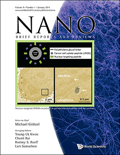
NANO
metrics 2024
Shaping the Future of Nanoscience and Technology
Introduction
NANO is an esteemed academic journal published by World Scientific Publishing Co. Pte Ltd, focusing on the frontier of nanoscience and nanotechnology. With ISSN 1793-2920 and E-ISSN 1793-7094, this journal has been a pivotal platform for disseminating innovative research from 2008 to 2024. Located in Singapore, NANO has established itself within the academic community, currently holding notable rankings in the Q3 Category for both Condensed Matter Physics and Materials Science, as well as a Q4 Category status in Nanoscience and Nanotechnology. Though it operates under a non-open access model, its contributions are invaluable for researchers, professionals, and students seeking to stay abreast of the latest advancements and interdisciplinary approaches within the nanoscale domain. By providing in-depth articles, reviews, and insights, NANO plays a significant role in advancing our understanding of materials at the nanoscale, thereby fostering innovation and collaboration across related fields.
Metrics 2024
 0.251.001.1035
Metrics History
Rank 2024
Scopus
IF (Web Of Science)
JCI (Web Of Science)
Quartile History
Similar Journals

Advances in Nano Research
Connecting Researchers to the Nano WorldAdvances in Nano Research, published by TECHNO-PRESS, is a prominent academic journal dedicated to advancing knowledge across various facets of nanoscience and nanotechnology. With its ISSN of 2287-237X and E-ISSN 2287-2388, this journal serves as a vital resource for researchers and professionals, focusing on areas such as Atomic and Molecular Physics, Biotechnology, Catalysis, Ceramics and Composites, and Electrical Engineering. Since its inception in 2017, the journal has notably achieved Q2 ranking in multiple categories for the year 2023, reflecting its commitment to high-quality research dissemination and its increasing influence in Scopus rankings, including ranks within the top 12% in Chemical Engineering. While Open Access options are currently unavailable, the rigorous peer-review process ensures that only the most impactful studies are published, further solidifying its importance within the academic community. As a significant player in the fields of engineering and materials science, Advances in Nano Research aims to foster innovation and collaboration, making it an essential publication for those engaged in cutting-edge research and development within the realm of nanotechnology.
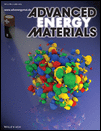
Advanced Energy Materials
Driving Sustainability through Cutting-edge ResearchAdvanced Energy Materials is a leading academic journal published by WILEY-V C H VERLAG GMBH, focusing on the rapidly evolving fields of materials science and renewable energy technologies. With an impressive impact factor and recognition as a top-tier journal, it ranks within the Q1 category in both Materials Science (miscellaneous) and Renewable Energy, Sustainability and the Environment as of 2023. Spanning from 2011 to 2024, the journal serves as an essential platform for researchers, professionals, and students eager to explore groundbreaking advancements in energy materials, fostering innovative solutions to global sustainability challenges. The journal's authoritative content is supported by rigorous peer review, ensuring high-quality research contributes to the academic community and beyond. Located in Weinheim, Germany, Advanced Energy Materials stands at the forefront of scientific inquiry, making it an invaluable resource for those invested in the future of energy and materials science.

AIP Advances
Exploring the Frontiers of Nanotechnology and Astronomy.AIP Advances, published by AIP Publishing in the United States, is an esteemed open-access journal that has been pivotal in disseminating knowledge in the fields of Nanoscience and Nanotechnology and Physics and Astronomy since its inception in 2011. With an unwavering commitment to enhancing global scientific communication, the journal provides a platform for groundbreaking research and innovative methodologies, catering to a diverse audience of researchers, practitioners, and students. As of 2023, AIP Advances enjoys a respectable impact factor that reflects its significance in the academic community, ranking in the Q3 category for both Nanoscience and Nanotechnology and Physics and Astronomy. The journal has made its contributions accessible, reinforcing its mission of promoting collaboration and knowledge sharing across disciplines. Researchers interested in publishing their work will find AIP Advances not only a valuable medium for their findings but also a hub for the latest advancements and discussions shaping these dynamic fields.
Nanoscale Research Letters
Pioneering research for a nanoscale revolution.Nanoscale Research Letters, published by SPRINGER, is a leading open-access journal dedicated to the rapid dissemination of innovative research in the field of nanoscience and nanotechnology. Established in 2006, this journal provides researchers and professionals with a platform to share their groundbreaking findings across a broad spectrum of applications, including condensed matter physics and materials science. With an impressive Q1 ranking in both Condensed Matter Physics and Materials Science categories as of 2023, it asserts its position as a top-tier publication within the scientific community, bolstered by a 96th percentile rank in the Scopus database. Nanoscale Research Letters not only emphasizes the importance of nanotechnology research but also ensures that its findings are widely accessible, adhering to its open-access mandate. Scholars and students alike are encouraged to contribute to and engage with this dynamic resource, fostering collaboration and innovation in the ever-evolving world of nanoscience.
Carbon Energy
Transforming energy research into impactful solutions.Welcome to Carbon Energy, an esteemed open-access journal published by WILEY that focuses on cutting-edge research in the field of energy and materials science. Since its inception in 2019, this journal has quickly established itself as a leading platform for disseminating impactful findings and innovations related to carbon-based energy solutions, renewable resources, and sustainability practices. With its impressive Q1 rankings in multiple categories—including Energy (miscellaneous), Materials Chemistry, and Renewable Energy—Carbon Energy is recognized for delivering high-quality, peer-reviewed content that meets the rigorous standards of the academic community. Through its open-access model, the journal ensures wide accessibility of research findings, making it an invaluable resource for researchers, professionals, and students alike. As we look toward the future, Carbon Energy aims to further its mission of advancing sustainable energy technologies and promoting interdisciplinary collaboration in tackling global energy challenges.
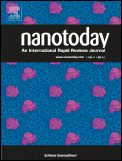
Nano Today
Connecting scholars to the latest breakthroughs in nanotechnology.Nano Today is a prestigious journal published by ELSEVIER SCI LTD that stands at the forefront of nanoscience and nanotechnology research. With an impact factor that underscores its significance, this journal has achieved remarkable rankings in several key categories as of 2023, including Q1 positions in Bioengineering, Biomedical Engineering, Biotechnology, Materials Science, and Pharmaceutical Science, making it an essential resource for scholars and professionals alike. ISSN 1748-0132 and E-ISSN 1878-044X, the journal serves as a vital platform for disseminating cutting-edge research findings and innovative applications in the field. Although open access options are not available, the journal's rich repository of peer-reviewed articles provides invaluable insights into the latest advancements in nanotechnologies. Based in the Netherlands, Nano Today not only connects a global network of researchers but also propels forward the conversation on the transformative potential of nanomaterials across multiple disciplines. With a commitment to advancing knowledge and fostering innovation, Nano Today is an indispensable tool for academics and practitioners dedicated to pushing the boundaries of scientific exploration.
ACS Nanoscience Au
Connecting Ideas in Nanoscience and MaterialsACS Nanoscience Au, published by the American Chemical Society, is a leading open-access journal dedicated to the rapidly evolving field of nanoscience. Since its inception in 2021, this journal has established itself within the top quartiles of academic publishing, ranking Q1 in both Chemistry and Materials Science for 2023. With a commitment to disseminating high-quality research, it provides a platform for innovative findings in nanomaterials, nanotechnology applications, and associated interdisciplinary studies. The journal is based in the United States and embraces an open-access model, ensuring that research is freely accessible to a global audience. This initiative not only enhances the visibility of authors' work but also facilitates collaboration across scientific domains. As a vital resource for researchers, professionals, and students alike, ACS Nanoscience Au plays a crucial role in advancing knowledge in the nanoscience community.

Frontiers in Materials
Empowering Knowledge Exchange in Materials Science.Frontiers in Materials, an esteemed journal published by FRONTIERS MEDIA SA, is a leading platform in the field of Materials Science, with a notable impact factor placing it in the Q2 category of its discipline as of 2023. Since its establishment as an Open Access journal in 2014, it has fostered considerable academic exchange, allowing researchers from around the globe to share their innovative findings and insights. Based in Lausanne, Switzerland, this journal not only emphasizes high-quality peer-reviewed articles but also prioritizes rapid dissemination of research, as evidenced by its commendable Scopus ranking of #62 out of 196 in Materials Science (miscellaneous). By consistently striving to bridge the gap between academia and practical applications, Frontiers in Materials serves as an invaluable resource for researchers, professionals, and students seeking to delve into cutting-edge advancements and transformative applications in materials science.

Energy Material Advances
Shaping the Landscape of Renewable Energy ResearchEnergy Material Advances, published by the American Association for the Advancement of Science, stands at the forefront of energy research, showcasing groundbreaking studies in the realm of renewable energy, fuel technology, and materials science. With the journal's commitment to open access since 2020, it aims to democratize knowledge and foster innovation across a global community of researchers, professionals, and students. The journal boasts an impressive impact factor, placing it firmly within the Q1 category across multiple disciplines including Energy (miscellaneous), Fuel Technology, and Renewable Energy, Sustainability and the Environment, highlighting its significance in advancing scholarly discussions. In the latest Scopus rankings, Energy Material Advances ranks among the top 10% of journals in its field, affirming its role as a pivotal resource for current and emerging trends in energy materials. The journal is dedicated to facilitating collaborative efforts and inspiring novel approaches to the challenges posed by energy sustainability and technological advancement.
Nanoscale
Advancing the Frontiers of Nanoscience.Nanoscale is a premier academic journal published by the Royal Society of Chemistry, dedicated to advancing the field of nanoscience and nanotechnology. With both its ISSN (2040-3364) and E-ISSN (2040-3372) ensuring wide accessibility, the journal is renowned for its high-impact research contributions, reflected in its impressive 2023 Impact Factor and prestigious Q1 ranking in both Materials Science (Miscellaneous) and Nanoscience and Nanotechnology categories. Since its inception in 2009, Nanoscale has fostered a collaborative platform where leading researchers from around the globe share their innovative findings across a multitude of topics spanning from material synthesis to applications in nanotechnology. The journal not only serves as a valuable resource for professionals, researchers, and students but also actively engages the academic community in discussing emerging trends, thus shaping the future of nanoscience. Situated in the heart of the UK at Thomas Graham House, Science Park, Milton Rd, Cambridge CB4 0WF, Nanoscale remains a key publication for those looking to keep abreast of the latest breakthroughs in an ever-evolving field.