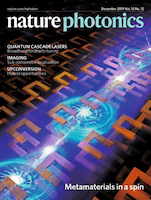
Nature Photonics
metrics 2024
Exploring the Frontiers of Photonics Innovation
Introduction
Nature Photonics, published by NATURE PORTFOLIO, stands as a leading journal in the realm of photonics, specializing in the convergence of atomic and molecular physics and optics, as well as electronic, optical, and magnetic materials. Established in 2007 and continuing through 2024, this esteemed journal boasts an impressive 2023 ranking of Q1 in both its primary categories, highlighting its importance and influence within the scientific community. With a Scopus rank of #3 in both materials science and physics categories, and a remarkable 99th percentile ranking, Nature Photonics serves as a vital platform for disseminating pioneering research and innovative discoveries that drive the field forward. Although it does not currently offer open access options, the journal remains accessible to a broad audience interested in the latest advancements in photonics, including researchers, professionals, and students eager to explore cutting-edge developments. By fostering a community of collaboration and knowledge exchange, Nature Photonics continually shapes the future of photonics research.
Metrics 2024
 11.2532.3035.80385
Metrics History
Rank 2024
Scopus
IF (Web Of Science)
JCI (Web Of Science)
Quartile History
Similar Journals
Chinese Optics Letters
Fostering innovation in atomic and molecular physics.Chinese Optics Letters is a prestigious academic journal published by Chinese Laser Press, dedicated to advancing the fields of atomic and molecular physics, optics, as well as electrical and electronic engineering. Since its inception in 2003, this journal has become a significant platform for researchers and professionals to disseminate innovative findings and foster collaboration within these rapidly evolving disciplines. With a commendable Q2 ranking in leading categories including Atomic and Molecular Physics and Electronic, Optical and Magnetic Materials, it ranks favorably within the Scopus database, with notable positions in both engineering and materials science sectors. The journal is headquartered in Shanghai, China, and while additional open access options are not specified, it remains a vital resource for those committed to pushing the frontiers of optical research and applications. As we approach 2024, Chinese Optics Letters continues to play an essential role in shaping scholarly discourse and technological advancement in optics.
Nanophotonics
Connecting Researchers in the Realm of LightNanophotonics, published by WALTER DE GRUYTER GMBH, is a premier open access journal dedicated to advancing the field of nanophotonics, encompassing cutting-edge research in atomic and molecular physics, optics, biotechnology, and electronic engineering. With a significant impact factor and a notable presence in the top quartile rankings (Q1) across multiple categories, including electrical and electronic engineering, this journal serves as a critical resource for researchers and professionals aiming to explore the latest developments in the manipulation of light at the nanoscale. Since its inception in 2012, Nanophotonics has been an influential platform for disseminating innovative ideas and breakthroughs, offering unrestricted access to its content, thus fostering a collaborative environment conducive to scientific discovery. Located in Berlin, Germany, and with a commitment to promoting the highest standard of scholarly excellence, Nanophotonics continues to shape the future of optical materials and technology, inviting contributions from both established experts and emerging scholars.
Advances in Optics and Photonics
Driving Innovation in Atomic and Molecular PhysicsAdvances in Optics and Photonics, published by the Optica Publishing Group, stands at the forefront of research dissemination in the fields of Atomic and Molecular Physics and Optics, alongside its prominence in Water Science and Technology. With an impressive Q1 ranking in both categories and a Scopus rank of #2/224, this journal boasts a 99th percentile status, underscoring its significance in the academic community. As a beacon of knowledge since its inception in 2009, the journal is dedicated to featuring cutting-edge research, innovative methodologies, and transformative applications in optics and photonics that can drive advancements across diverse scientific domains. While not an open-access journal, it provides vital insights for researchers, professionals, and students eager to stay updated on emerging trends and breakthroughs. With a convergence period extending to 2024, Advances in Optics and Photonics is positioned as an essential resource for anyone looking to explore the evolving landscape of light-based technologies.
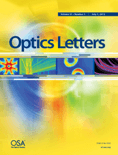
OPTICS LETTERS
Exploring New Frontiers in Light and MatterOPTICS LETTERS is a premier academic journal published by the Optica Publishing Group, dedicated to advancing the field of optics and photonics. Since its inception in 1977, it has maintained a strong reputation for publishing high-impact research, holding a distinguished Q1 category ranking in Atomic and Molecular Physics, as well as Optics, making it a vital resource for researchers and professionals alike. With an impressive Scopus rank of #55 out of 224 in its field, OPTICS LETTERS continues to shape the discourse and innovation in optical science. Authors benefit from its extensive international reach, while readers gain access to cutting-edge studies that address both theoretical and applied aspects of optics. Although the journal currently does not offer open access options, its rigorous peer-review standards ensure that every publication meets the highest academic criteria, making it an essential journal for anyone looking to stay at the forefront of optical research.
JOURNAL OF RUSSIAN LASER RESEARCH
Empowering Researchers with Groundbreaking InsightsThe Journal of Russian Laser Research, published by Springer, stands as a vital resource for researchers and professionals in the fields of atomic and molecular physics, as well as optics and engineering. With its ISSN 1071-2836 and E-ISSN 1573-8760, this journal has been disseminating groundbreaking research since its inception in 1994, with a dedicated focus on the advancement of laser technologies and their applications. While it currently holds a Q4 classification in both Atomic and Molecular Physics and Engineering categories, its commitment to fostering novel insights and innovative methodologies positions it as a promising platform for emerging studies within these disciplines. Although the journal does not offer open access options, it continues to draw attention with a growing citation index. By publishing diverse research articles, reviews, and critical discussions, the Journal of Russian Laser Research not only enriches academic literature but also serves as a stepping stone for students and professionals seeking to deepen their understanding of laser science and its myriad applications.

APPLIED OPTICS
Empowering Discoveries in PhotonicsApplied Optics, published by Optica Publishing Group, is a prestigious journal dedicated to the field of optics and photonics. With an ISSN of 1559-128X and an E-ISSN of 2155-3165, this journal serves as a critical platform for researchers, professionals, and students eager to disseminate innovative findings and advancements in applied optics. Established in 1962, it has maintained a significant presence in the academic community, currently holding a Q2 category ranking in various disciplines including Atomic and Molecular Physics, Electrical and Electronic Engineering, and Miscellaneous Engineering as per the 2023 metrics. The journal's reputation is underscored by its solid Scopus rankings, attesting to its influential research output. While not an open-access journal, it continues to offer vital insights and discussions on the latest research topics that are critical to the advancement of technologies in optics, ensuring accessibility to vital knowledge for those within the field.

PhotoniX
Empowering Research in Optics and EngineeringPhotoniX is a premier open-access journal published by SPRINGERNATURE in Germany, dedicated to the fields of Atomic and Molecular Physics, Optics, and Electrical and Electronic Engineering. Launched in 2020, this journal has swiftly established itself as a key resource within the scientific community, achieving impressive rankings, notably being placed in the Q1 quartile across its categories in 2023. With its Scopus ranks highlighting its excellence—2nd in Engineering (Miscellaneous), 9th in Electrical and Electronic Engineering, and 6th in Atomic and Molecular Physics—PhotoniX serves as a critical platform for researchers to disseminate their findings. With an emphasis on broadening access to cutting-edge research, the journal offers a valuable opportunity for engagement with contemporary advancements in the fields it covers. Researchers, professionals, and students can benefit significantly from its contents, contributing to the collective knowledge in these vital areas of science and technology.

Optica
Driving advancements in atomic physics and optics.Optica is a premier open-access journal published by the Optica Publishing Group, designed to disseminate high-quality research across the fields of Atomic and Molecular Physics and Optics. Since its inception in 2014, it has established itself as a vital resource for the scientific community, as evidenced by its impressive Q1 rankings in both relevant categories in 2023 and its notable positions in the Scopus rankings—#9 in Atomic and Molecular Physics and #13 in Materials Science. Featuring cutting-edge research from leading experts, Optica aims to foster innovation and collaboration by providing unrestricted access to groundbreaking discoveries and advancements. Researchers, professionals, and students alike will find invaluable insights and trends that drive the ever-evolving scope of optical science and materials technology. With its commitment to open access, Optica ensures that knowledge is accessible, empowering the global community of scientists and researchers to embark on new explorations.
Photonics, an esteemed journal published by MDPI, is a leading platform for researchers in the fields of atomic and molecular physics, optics, and instrumentation. Since its inception in 2014, the journal has fostered open access to cutting-edge research, facilitating knowledge dissemination in these dynamic disciplines. With its Q2 ranking in the 2023 Scopus metrics for various categories, including radiology, nuclear medicine, and imaging, Photonics represents a crucial academic resource for professionals and students seeking to advance their understanding and expertise. Located in Basel, Switzerland, the journal plays a pivotal role in bridging theoretical and practical approaches to photonic technologies. Researchers are encouraged to contribute their findings, thereby enriching the journal’s impact and relevance in the global scientific community through collaboration and innovation.
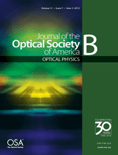
JOURNAL OF THE OPTICAL SOCIETY OF AMERICA B-OPTICAL PHYSICS
Illuminating the Future of Optical ScienceJOURNAL OF THE OPTICAL SOCIETY OF AMERICA B-OPTICAL PHYSICS, published by Optica Publishing Group, serves as a leading platform for groundbreaking research in the fields of optical physics, atomic and molecular physics, and statistical and nonlinear physics. With an ISSN of 0740-3224 and an E-ISSN of 1520-8540, this esteemed journal has been in circulation since 1984 and is dedicated to advancing the understanding of optical phenomena and related technologies. It holds a commendable position in the academic community, with a 2023 Scopus ranking reflecting its significance—placing it in the top quartile for both Atomic and Molecular Physics and Statistical and Nonlinear Physics. Although it is not an open-access publication, it provides extensive access options to ensure that research is disseminated effectively within the scientific community. This journal is instrumental for researchers, professionals, and students alike, aiming to keep them informed of the latest advancements and trends in optical science. With a convergence of expertise and innovation, JOSA B continues to play a pivotal role in shaping the future of optical research.