OCEANOLOGIA
metrics 2024
Transforming Ocean Knowledge into Action
Introduction
OCEANOLOGIA, a distinguished academic journal published by the Polish Academy of Sciences, Institute of Oceanology, serves as a pivotal platform for researchers and professionals in the fields of Aquatic Science, Oceanography, and Ocean Engineering. Established in 1973 and transitioning to Open Access in 2011, this peer-reviewed journal promotes the dissemination of high-quality research across its diverse scope of ocean-related topics, aligning with its commitment to advancing marine science. With a notable impact factor underscored by its positioning in the Q1 and Q2 quartiles of recognized categories, OCEANOLOGIA stands out with impressive Scopus Rankings, including 49/247 in Aquatic Science and 24/105 in Ocean Engineering, reflecting its significance in the global research landscape. The journal's dedication to publishing cutting-edge studies ensures that it continues to influence both academic discourse and practical applications in ocean-related fields, making it an essential resource for students, researchers, and professionals aiming to contribute to the advancement of oceanic studies.
Metrics 2024
 0.672.602.6051
Metrics History
Rank 2024
Scopus
IF (Web Of Science)
JCI (Web Of Science)
Quartile History
Similar Journals
Marine Biology Research
Advancing marine science for a sustainable future.Marine Biology Research is a premier journal published by Taylor & Francis, focusing on the dynamic field of marine biology and its intersecting realms of aquatic science, ecology, and oceanography. Since its inception in 2005, this journal has served as a crucial platform for researchers and professionals to disseminate their findings, with a vision extending to 2024 and beyond. The journal is recognized with a Q3 quartile ranking in both Aquatic Science and Ecology, Evolution, Behavior and Systematics, underscoring its growing influence in these fields as evidenced by its Scopus rankings. Located in the United Kingdom, Marine Biology Research aims to foster collaboration and innovation through open access options, facilitating knowledge exchange among the academic community. With a steady commitment to advancing marine sciences, this journal is an invaluable resource for those dedicated to understanding and preserving our ocean ecosystems.
OCEANOLOGY
Illuminating the Mysteries of the OceanOCEANOLOGY is a distinguished journal published by Pleiades Publishing Inc that has been a pivotal platform for advancing knowledge in the field of oceanography since its inception. With an ISSN of 0001-4370 and E-ISSN 1531-8508, this journal covers a range of topics related to marine sciences, geographical oceanography, and environmental studies, providing insights and research that significantly contribute to our understanding of oceanic systems. Recognized for its academic rigor, OCEANOLOGY holds a Q3 quartile ranking in the Oceanography category as of 2023, reflecting its impact within the scientific community as evidenced by its Scopus rank of 85 out of 145. Although currently not an open-access journal, OCEANOLOGY remains essential for researchers, professionals, and students by offering a comprehensive collection of peer-reviewed articles. This multidisciplinary approach equips its audience with valuable data and perspectives critical for ongoing research and development in ocean-related fields.

THALASSAS
Navigating the Future of Oceanography and Aquatic ScienceTHALASSAS is a prominent academic journal specializing in the fields of Aquatic Science and Oceanography, published by Springer International Publishing AG. Established in 2005 and running through 2024, this journal serves as a vital platform for sharing groundbreaking research and innovative findings related to the marine environment and its ecosystems. With an ISSN of 0212-5919 and an E-ISSN of 2366-1674, THALASSAS is indexed in Scopus and currently holds a Q3 classification in both Aquatic Science and Oceanography for 2023, reflecting its relevance and contribution to these scientific disciplines. Although it does not follow an Open Access model, THALASSAS offers valuable insights for researchers, professionals, and students interested in sustainable ocean management and aquatic biodiversity. Its rigorous peer-review process ensures that published articles meet the highest standards of academic quality, fostering a deeper understanding of marine sciences and addressing critical issues facing aquatic systems today.

Ocean and Coastal Research
Advancing marine science for a sustainable future.Ocean and Coastal Research, published by the Institute Oceanográfico of the University of São Paulo, is an essential academic journal dedicated to advancing the fields of Aquatic Science, Oceanography, and Water Science and Technology. Established in 2020, the journal has quickly become a noteworthy platform contributing to the understanding and sustainable management of marine and coastal ecosystems, with an open access model that promotes the dissemination of critical research findings. Although currently categorized in the fourth quartile across its respective fields in 2023, the journal serves as an emerging repository of valuable insights for researchers, professionals, and students alike, aiming to make impactful discoveries that address contemporary challenges in ocean conservation and resource management. The journal's editorial team is committed to fostering interdisciplinary collaboration and upholding rigorous peer-review standards, thereby ensuring high-quality contributions that reflect the dynamic nature of marine science. With an E-ISSN of 2675-2824, all access to published articles is freely available, supporting global research efforts addressing crucial environmental issues.
ICES JOURNAL OF MARINE SCIENCE
Charting the Course for Future Marine DiscoveriesThe ICES Journal of Marine Science, published by Oxford University Press, stands at the forefront of marine research, offering cutting-edge insights into aquatic sciences and oceanography since its inception in 1903. With its ISSN 1054-3139 and E-ISSN 1095-9289, this esteemed journal has garnered a reputation for excellence, evidenced by its Q1 rankings in categories such as Aquatic Science, Ecology, and Oceanography as of 2023. The journal's commitment to advancing knowledge in marine systems makes it an essential resource for researchers, professionals, and students alike, who are keen to explore the intricate ecosystems that sustain our planet. Without an open access model, the journal maintains a rigorous editorial standard and is recognized among the top journals, ranking impressively in various Scopus categories. Authored contributions reflect pioneering research that informs policy and fosters sustainable practices, making this journal a critical platform for disseminating marine science knowledge.
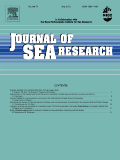
JOURNAL OF SEA RESEARCH
Unveiling the Mysteries of Our OceansJOURNAL OF SEA RESEARCH, published by Elsevier, is a premier academic journal dedicated to advancing knowledge in the fields of aquatic science, ecology, and oceanography. Since its inception in 1996, this journal has provided a vital platform for researchers and professionals to disseminate groundbreaking findings and promote fostering interdisciplinary discussions. With its impressive Q2 ranking in multiple categories, including Aquatic Science and Ecology, Evolution, Behavior and Systematics, it positions itself as a significant contributor to marine and environmental studies. The journal is accessible in both print (ISSN: 1385-1101) and online formats (E-ISSN: 1873-1414), ensuring wide reach and engagement within the scholarly community. Researchers and students alike will find the journal not only a reliable source of information but also a source of inspiration for future explorations. With a commitment to quality and a broad scope that spans fundamental to applied research, JOURNAL OF SEA RESEARCH remains an indispensable resource for understanding the complexities of marine environments and their relevance to our changing world.
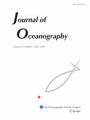
JOURNAL OF OCEANOGRAPHY
Unveiling the Secrets Beneath the WavesJOURNAL OF OCEANOGRAPHY, published by Springer, stands as a leading academic journal in the field, with an impressive Q1 ranking in Oceanography for 2023. Since its inception in 1992, this journal has dedicated itself to the dissemination of high-quality research that spans a diverse array of topics within oceanography and earth sciences. With an ISSN of 0916-8370 and an E-ISSN of 1573-868X, it plays a crucial role in bridging the gap between academia and practical marine applications. The journal is indexed in Scopus, ranking #57 out of 145 in its category, reflecting its rigorous academic standards and the impact of its published works, reaching a notable ile in the 61st percentile. Located in Japan, the JOURNAL OF OCEANOGRAPHY provides a vital platform for sharing significant research findings that contribute to our understanding of marine environments, aiming to foster interdisciplinary collaboration among researchers, professionals, and students dedicated to marine science.
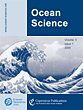
Ocean Science
Charting New Waters in Ocean ResearchOcean Science, published by COPERNICUS GESELLSCHAFT MBH, stands as a premier Open Access journal in the fields of Oceanography and Paleontology, with a commendable impact factor that highlights its influence in the scientific community. Since its inception in 2005, Ocean Science has provided a vital platform for the dissemination of innovative research and discoveries, boasting prestigious rankings of Q1 in both Oceanography and Paleontology categories as of 2023, along with impressive Scopus rankings (7th in Paleontology and 28th in Oceanography). Based in Göttingen, Germany, the journal's commitment to open access ensures that groundbreaking research is readily available to a global audience, fostering knowledge sharing and collaboration among academics, professionals, and students alike. As it converges towards its 20th anniversary in 2024, Ocean Science continues to be an essential resource for those dedicated to advancing our understanding of the marine environment and its geological history.
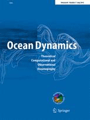
OCEAN DYNAMICS
Navigating the Future of Ocean ScienceOCEAN DYNAMICS is a premier peer-reviewed journal published by Springer Heidelberg, dedicated to advancing the field of oceanography. With an ISSN of 1616-7341 and an E-ISSN of 1616-7228, the journal has established itself as a key resource for researchers and professionals interested in the dynamic processes of the world's oceans. As of 2023, it holds an impressive Q2 category ranking in Oceanography, placing it among the top journals in its field (Rank #34/145, 76th percentile in Earth and Planetary Sciences). Although operating under a traditional publishing model without open access options, OCEAN DYNAMICS continues to provide valuable insights and a platform for innovative research, boasting coverage from 2001 to 2024. Researchers and students alike will benefit from this journal's commitment to showcasing cutting-edge studies that enhance our understanding of oceanographic phenomena.

Journal of Operational Oceanography
Fostering Collaboration for a Deeper Understanding of Our OceansThe Journal of Operational Oceanography, published by Taylor & Francis Ltd, stands as a pivotal platform within the field of oceanography, focusing on the integration of operational practices, technology, and scientific research. With a strong impact factor and a notable Q2 quartile ranking in the category of Earth and Planetary Sciences, this journal offers researchers, professionals, and students a vital resource for disseminating new knowledge and innovative methodologies related to ocean studies. Covering a range of topics from marine data analysis to the application of oceanographic principles in sustainable practices, the journal’s content is crucial for advancing understanding in this dynamic field. Operating since 2008 and continuing through 2024, it is dedicated to fostering collaboration and dialogue among the scientific community, ensuring accessibility to essential findings that drive informed decision-making in marine science. With its commitment to high-quality, peer-reviewed articles and a ranking in the top 10th percentile of its category, the Journal of Operational Oceanography is an indispensable resource for those looking to make significant contributions to marine research.