
Pakistan Heart Journal
Scope & Guideline
Elevating Cardiovascular Research in Pakistan and Beyond.
Introduction
Aims and Scopes
- Clinical Cardiology Research:
The journal emphasizes clinical studies that explore various aspects of cardiovascular diseases, including acute coronary syndromes, heart failure, and arrhythmias. - Interventional Cardiology:
Research articles often focus on the efficacy and safety of interventional procedures, including percutaneous coronary interventions and surgical techniques. - Epidemiology and Public Health:
The journal includes studies that investigate the prevalence, risk factors, and outcomes of cardiovascular diseases in different populations, particularly in Pakistan. - Nursing and Patient Care:
There is a focus on enhancing nursing practices and patient care protocols related to cardiovascular health, including education and training interventions. - Innovative Treatment Strategies:
The journal explores new treatments, including pharmacological advancements and the use of technologies like artificial intelligence in cardiology. - Preventive Cardiology:
Research encompassing lifestyle factors, dietary influences, and public health initiatives aimed at reducing cardiovascular disease risk is a significant area of focus.
Trending and Emerging
- Artificial Intelligence in Cardiology:
There is an increasing interest in the application of artificial intelligence for diagnostic and treatment purposes in cardiology, reflecting a broader trend towards integrating technology into healthcare. - Interdisciplinary Approaches to Cardiovascular Health:
Research combining insights from psychology, nutrition, and public health to address cardiovascular disease prevention and treatment is becoming more prominent. - Patient-Centered Care and Quality of Life:
Studies focusing on patient outcomes, quality of life, and shared decision-making in treatment plans are increasingly prevalent, highlighting a shift towards more holistic approaches in cardiology. - Gender Disparities in Cardiovascular Care:
Research exploring gender differences in cardiovascular health outcomes and treatment responses is gaining momentum, emphasizing the need for tailored approaches in clinical practice. - Telemedicine and Remote Patient Monitoring:
The COVID-19 pandemic has accelerated the adoption of telemedicine, with research exploring its effectiveness in managing cardiovascular diseases and patient follow-up.
Declining or Waning
- Traditional Risk Factor Assessments:
While still important, studies exclusively focusing on traditional cardiovascular risk factors such as cholesterol levels and blood pressure have become less prevalent as newer methodologies and holistic approaches gain traction. - Single-Center Studies:
The journal has seen a decrease in the publication of single-center studies, possibly due to a growing emphasis on multicenter collaborations that enhance the generalizability of findings. - Basic Science Research:
Research articles rooted in basic science, such as cellular and molecular studies, have waned, with more emphasis now placed on clinical applications and outcomes. - Historical Reviews of Cardiovascular Diseases:
The frequency of articles focusing solely on historical perspectives or reviews of past data related to cardiovascular diseases has decreased in favor of current clinical research and innovations. - Isolated Case Reports:
While case reports remain valuable, there has been a noticeable decline in the publication of isolated case studies, with a shift towards more comprehensive studies that provide broader insights.
Similar Journals

Nepalese Heart Journal
Transforming Heart Health Through ResearchNepalese Heart Journal, published by the CARDIAC SOC NEPAL, serves as a premier platform for disseminating knowledge in the field of cardiology and cardiovascular health. With an ISSN of 2091-2978, this journal aims to bridge the gap between researchers, clinicians, and academicians by presenting high-quality, peer-reviewed articles that address clinical practices, innovative research, and emerging trends in heart disease management, especially within the context of Nepal and the surrounding region. Although it operates under a traditional publishing model, its commitment to excellence aids in reinforcing the scientific discourse in an area critical to public health. The journal is a valuable resource for professionals and students alike who are focused on advancing their understanding of cardiology and its implications for health policy and practice. Exploring the intersections of local challenges and global advancements in heart health, the Nepalese Heart Journal is poised to contribute meaningfully to the evolving landscape of cardiovascular research.

CANADIAN JOURNAL OF CARDIOLOGY
Leading the Way in Cardiac Health InsightsCanadian Journal of Cardiology (ISSN: 0828-282X, E-ISSN: 1916-7075), published by Elsevier Science Inc, serves as a vital platform for disseminating high-quality research in the dynamic field of cardiology and cardiovascular medicine. Since its inception in 1985, this journal has established itself as a leader in the field, currently holding a prestigious Q1 ranking in Cardiology, indicating its significant impact and contribution to medical science. With a Scopus rank of #50 out of 387 in its category and placing in the 87th percentile, the journal showcases rigorous peer-reviewed articles that advance knowledge and practice in cardiology. Although the journal is not open access, it provides valuable insights and research findings that cater to clinicians, researchers, and students who are committed to improving cardiovascular health. As we approach the convergence of years to 2024, the Canadian Journal of Cardiology continues to strive for excellence, facilitating a discourse vital for both academic and clinical advancements in cardiology.

REVISTA ESPANOLA DE CARDIOLOGIA
Connecting Clinicians and Researchers in CardiologyREVISTA ESPANOLA DE CARDIOLOGIA is a premier journal dedicated to the dynamic field of cardiology, published by EDICIONES DOYMA S A in Barcelona, Spain. With an impressive Q1 status in the Medicine (miscellaneous) category for 2023, this journal is recognized for its significant contributions to cardiovascular research, evidenced by its rank of #61 out of 387 in the Scopus database, placing it within the top 16% of journals in its field. Covering a broad range of topics within cardiology, the journal aims to disseminate high-quality research, clinical studies, and educational content, fostering knowledge sharing among researchers, clinicians, and students alike. While it does not currently offer open access, the journal maintains a commitment to advancing cardiovascular health through rigorous peer-reviewed articles. With a publication history that spans from 2013 to 2024, REVISTA ESPANOLA DE CARDIOLOGIA is an essential resource for those seeking to stay at the forefront of cardiology advancements and practices.
Aktuelle Kardiologie
Elevating the standards of cardiovascular medicine.Aktuelle Kardiologie is a premier journal in the field of cardiology, published by GEORG THIEME VERLAG KG. With its ISSN 2193-5203 and E-ISSN 2193-5211, it serves as an essential resource for cardiologists, researchers, and healthcare professionals who seek to stay abreast of the latest developments in cardiovascular medicine. Although currently not open access, the journal provides comprehensive insights through its rigorous peer-review process, ensuring high-quality content for its readers. Located in Stuttgart, Germany, the journal’s objectives include fostering the exchange of innovative research, clinical findings, and expert opinions that can significantly enhance patient care and inspire further studies in cardiovascular health. In an era where cardiovascular diseases are a leading public health concern, Aktuelle Kardiologie remains a vital platform for disseminating critical knowledge and advancing the field.
JOURNAL OF THE AMERICAN COLLEGE OF CARDIOLOGY
Exploring the Frontiers of Cardiovascular MedicineJOURNAL OF THE AMERICAN COLLEGE OF CARDIOLOGY, the esteemed publication of Elsevier Science Inc, stands as a premier platform for advancing knowledge in the field of cardiology and cardiovascular medicine. With an impressive impact factor reflecting its prominence—ranked Q1 in its category for 2023 and occupying the 4th position out of 387 in the Scopus listings, firmly placing it in the 99th percentile—this journal is essential for researchers, clinicians, and students alike. Since its inception in 1983, it has continuously provided a vital space for high-quality research and innovative clinical practices, driving forward our understanding of cardiovascular health. While access options are not open, the value of the cutting-edge articles published here cannot be overstated, as they foster collaboration and inform better patient care across the globe. As part of its ongoing commitment to excellence, the journal solicits submissions of original research, reviews, and clinical studies that contribute meaningfully to the field and engage its diverse readership.
CARDIOLOGY CLINICS
Elevating the discourse on cardiovascular health worldwide.CARDIOLOGY CLINICS is a prestigious journal published by W B SAUNDERS CO-ELSEVIER INC, offering insightful and comprehensive reviews in the field of cardiology and cardiovascular medicine since its inception in 1983. With its ISSN 0733-8651 and E-ISSN 1558-2264, the journal has established a significant impact factor within the academic community, holding a Q2 ranking in both Cardiology and Cardiovascular Medicine as well as in Medicine (miscellaneous) for 2023. Located in the heart of Philadelphia, USA, it serves as a vital resource for researchers, clinicians, and students seeking to deepen their understanding of cardiovascular diseases and advancements in treatment. Although it operates under a traditional subscription model, the journal remains committed to disseminating valuable knowledge that shapes current practices and informs future research directions. As it converges towards its 2024 issues, CARDIOLOGY CLINICS continues to play an influential role in enhancing the discourse on cardiovascular health worldwide, ensuring that its audience stays at the forefront of clinical and scientific developments.
Journal of Cardiology
Advancing cardiovascular science for a healthier future.Journal of Cardiology, published by ELSEVIER, stands as a prominent resource in the field of cardiology and cardiovascular medicine. With a rich history since its inception in 1987, this peer-reviewed journal aims to disseminate cutting-edge research that enhances the understanding and treatment of cardiovascular diseases. Its 2023 ranking places it in the Q2 category within its discipline, reflecting its significance and impact, as evidenced by a Scopus rank of #123 out of 387 journals, positioning it in the 68th percentile of its field. The journal is headquartered in Japan, providing a unique perspective on cardiological advances relevant not only to the Asian continent but also globally. Though it does not currently offer open access, the Journal of Cardiology remains a vital institutional resource for researchers, clinicians, and students seeking to push the boundaries of cardiovascular science and improve patient outcomes.
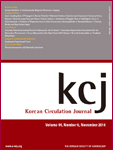
Korean Circulation Journal
Connecting Researchers and Practitioners for Heart Health Advancements.Korean Circulation Journal, published by the Korean Society of Cardiology, has established itself as a prominent platform for disseminating research in the fields of Cardiology and Cardiovascular Medicine. With an ISSN of 1738-5520 and an E-ISSN of 1738-5555, this journal has been at the forefront of cardiovascular science since its inception in 2006 and is projected to continue until 2024. The journal's commitment to quality is reflected in its 2023 category quartiles, ranking in the second quartile (Q2) for both Cardiology and Internal Medicine, as well as its commendable Scopus rankings within the respective fields. Located in South Korea, the journal aims to bridge the gap between cutting-edge research and practical applications, serving as an invaluable resource for researchers, healthcare professionals, and students keen on advancing their understanding of cardiovascular health. Although currently not an open-access journal, it provides a wealth of knowledge that encourages evidence-based practice in clinical settings.
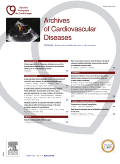
Archives of Cardiovascular Diseases
Transforming the future of cardiology with innovative insights.The Archives of Cardiovascular Diseases, published by Elsevier Masson, stands as a leading journal in the field of cardiology and cardiovascular medicine, with an impressive impact factor that underscores its relevance and influence. This esteemed journal, recognized in the Q2 category for both cardiology and miscellaneous medicine, aims to disseminate groundbreaking research, innovative methodologies, and clinical advancements that can shape the future of cardiovascular health. With its diverse array of open access options, researchers and students alike have the ability to engage with high-quality content, ensuring that cutting-edge findings are accessible globally. Since its inception in 2008, the journal has actively contributed to the advancement of knowledge in cardiovascular diseases, fostering collaboration among clinicians, researchers, and educators. Headquartered in Paris, France, Archives of Cardiovascular Diseases remains committed to enhancing our understanding of cardiovascular health and improving patient outcomes worldwide.

World Journal of Cardiology
Innovating heart health through impactful research and collaboration.World Journal of Cardiology, published by BAISHIDENG PUBLISHING GROUP INC, stands out as a pivotal resource in the field of cardiology and cardiovascular medicine. With an ISSN of 1949-8462, this journal serves a global audience, promoting knowledge dissemination and collaboration among researchers, healthcare professionals, and students dedicated to advancing cardiovascular health. The journal demonstrates its credibility and impact in the field by achieving a respectable Q2 ranking in the 2023 category of Cardiology and Cardiovascular Medicine. Notably, it is listed in the Scopus database, ranking #189 out of 387 journals, placing it in the 51st percentile, which underscores its relevance and contribution to contemporary cardiovascular research. Although it operates under a subscription model, the journal provides diverse access options, ensuring that critical findings reach a wide audience. Through its comprehensive scope and commitment to publishing high-quality articles, the World Journal of Cardiology plays a vital role in shaping the future of cardiovascular science, making it an invaluable asset for those involved in this essential discipline.