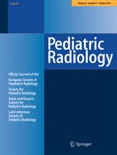
PEDIATRIC RADIOLOGY
metrics 2024
Leading the way in pediatric imaging advancements.
Introduction
Pediatric Radiology is a leading journal published by Springer that provides a crucial platform for the dissemination of research in the fields of pediatrics, perinatology, and radiology. Since its inception in 1973, the journal has continually contributed to the advancement of medical imaging techniques and their application in diagnosing and treating pediatric conditions. With its impact factor reflecting a Q2 ranking in both Pediatrics and Radiology categories as of 2023, Pediatric Radiology is highly regarded in scholarly circles, aiding researchers, clinicians, and students to stay at the forefront of innovations and findings in the field. Although the journal does not offer open access, it continues to be an essential resource for evidence-based information that enhances clinical practice and improves health outcomes for children globally. The journal's reach is further established through its solid Scopus rankings, indicating its relevance and influence in the global medical community.
Metrics 2024
 0.682.102.3099
Metrics History
Rank 2024
Scopus
IF (Web Of Science)
JCI (Web Of Science)
Quartile History
Similar Journals

Iranian Journal of Radiology
Elevating Diagnostic Imaging with Quality InsightsWelcome to the Iranian Journal of Radiology, a pivotal platform dedicated to advancing the field of radiology, nuclear medicine, and medical imaging. Published by BRIEFLAND, this journal aims to disseminate high-quality original research, reviews, and clinical studies that contribute substantially to the global scientific community. Established in 2008 and spanning until 2024, the journal provides an essential archive of knowledge in a rapidly evolving discipline. Although it currently holds a Q4 quartile ranking in the 2023 Scopus metrics, it serves as an important resource for both emerging and established researchers looking to submit their work. Located in the Netherlands, the journal is committed to open dialogue and collaboration amongst professionals in the field, reflecting its accessibility and relevance to both practitioners and academics. With its continued growth and commitment to quality, the Iranian Journal of Radiology is poised to enhance understanding and innovation in diagnostic imaging.
Clinical Imaging
Bridging Research and Practice in RadiologyClinical Imaging, published by Elsevier Science Inc, is a renowned journal dedicated to the field of radiology, nuclear medicine, and imaging. With an ISSN of 0899-7071 and an E-ISSN of 1873-4499, this esteemed publication has established its significance in advancing imaging science since its inception in 1989 and continues to make impactful contributions to the discipline through 2024. The journal holds a prestigious Q2 ranking in the category of Radiology, Nuclear Medicine, and Imaging, reflecting its critical role in bridging research and clinical practice. Currently ranked #113 out of 333 by Scopus, with a notable 66th percentile, it offers a platform for disseminating high-quality research, reviews, and case studies that inspire innovation and enhance imaging techniques. Although it primarily functions as a subscription-based journal, it remains dedicated to accessibility and the dissemination of pivotal findings that inform both academia and clinical settings. Clinical Imaging is essential for researchers, professionals, and students alike, offering insights that shape the future of diagnostic imaging.
RADIOLOGY
Elevating diagnostic excellence through innovative research.RADIOLOGY, published by the Radiological Society of North America (RSNA), stands as a premier journal in the fields of radiology, nuclear medicine, and imaging. Established in 1945, this esteemed journal has consistently provided groundbreaking research and insights, helping to shape advancements in diagnostic imaging and therapeutic interventions. With a commendable Q1 ranking in its category and a remarkable 99th percentile ranking in Scopus, RADIOLOGY continues to be a pivotal resource for clinicians, researchers, and students alike. Although not an Open Access journal, it offers a wealth of high-quality peer-reviewed articles that contribute significantly to the ongoing discourse in the medical community. With a strong focus on innovative techniques and the integration of new technologies, RADIOLOGY remains essential for professionals aiming to stay at the forefront of medical imaging practices.

Imagen Diagnostica
Advancing Radiology Through Insightful ResearchImagen Diagnostica is a pivotal journal in the field of radiology and diagnostic imaging, published by the ASOC CATALANA TECNICOS ESPECIALISTAS & DIAGNOSTICO IMAGEN-ACTEDI. With its ISSN 2171-3669 and E-ISSN 2171-9705, it serves as a vital resource for researchers, practitioners, and students engaged in the advancement of imaging technologies and techniques for medical applications. Although the journal coverage in Scopus was discontinued in 2017, the content produced during its active years remains relevant for understanding the evolving landscape of radiology. The journal’s rankings reflect its niche status, ranking #266 out of 276 in the Medicine category and #46 out of 47 in Health Professions, indicating a specific focus within its discipline. Readers can explore insightful articles that contribute to the knowledge base of diagnostic imaging, enhancing their understanding and expertise in this specialized field. Despite its discontinuation, Imagen Diagnostica continues to be a notable reference point for professionals dedicated to furthering diagnostic imaging practices.
EUROPEAN RADIOLOGY
Transforming Patient Care Through Cutting-Edge ImagingEUROPEAN RADIOLOGY, published by SPRINGER, stands as a prestigious international journal in the field of radiology, nuclear medicine, and imaging, with an impressive impact factor that underscores its significance among peers. With an ISSN of 0938-7994 and an E-ISSN of 1432-1084, this journal provides a platform for cutting-edge research and advancements in medical imaging from 1991 to 2024. Recognized as a Q1 journal in both general Medicine and the specialized Radiology category by 2023, EUROPEAN RADIOLOGY ranks an impressive #17 out of 333 in its field according to Scopus, placing it in the 95th percentile. While it does not currently offer Open Access options, the journal remains essential reading for researchers, professionals, and students striving to stay at the forefront of developments in diagnostic imaging and related technologies. By contributing to a comprehensive understanding of radiological practices, EUROPEAN RADIOLOGY plays a crucial role in shaping the future of medical diagnosis and patient care.

Acta Radiologica Open
Bridging theory and practice in radiology.Acta Radiologica Open is an esteemed open-access journal published by SAGE Publications Ltd, dedicated to advancing the field of radiology. Since its inception in 2012, the journal has been a vital platform for researchers, professionals, and students to disseminate and access high-quality, peer-reviewed research in radiological science. With a focus on innovative imaging techniques, clinical advancements, and interdisciplinary approaches, Acta Radiologica Open plays a crucial role in bridging the gap between theoretical knowledge and practical application. The journal contributes significantly to the body of literature by promoting open science and facilitating global collaboration among researchers. Readers can readily access a diverse range of articles that not only highlight emerging trends but also address key challenges in the field, making it an indispensable resource for anyone involved in radiological research and practice.
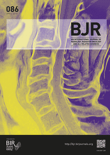
BRITISH JOURNAL OF RADIOLOGY
Empowering Professionals with the Latest in Radiological AdvancementsBritish Journal of Radiology is a leading peer-reviewed journal published by the British Institute of Radiology, dedicated to advancing the field of radiology, nuclear medicine, and imaging. With a prestigious history dating back to 1945, this journal is at the forefront of disseminating cutting-edge research and innovations that significantly impact clinical practice. Currently enjoying a Q1 ranking in the field of radiology and Q2 in general medicine for 2023, it is recognized for its rigorous standards and high-quality content, ranking #87 out of 333 in Scopus for specialties related to Medicine, Radiology, Nuclear Medicine, and Imaging, placing it in the 74th percentile. Researchers, professionals, and students are encouraged to engage with the latest findings and comprehensive reviews presented within its pages, which contribute not only to academic discourse but also to the evolution of practice in the wider medical community.
Emergency Radiology
Enhancing Urgent Care with Cutting-Edge Radiological StudiesEmergency Radiology, published by SPRINGER HEIDELBERG, is a leading journal in the fields of emergency medicine and radiology, dedicated to advancing the understanding and application of diagnostic imaging in urgent medical conditions. Established in 1994, this journal has consistently contributed to the discourse around emergency diagnostics, maintaining a strong position within the academic community, as evidenced by its Q2 rankings in both Emergency Medicine and Radiology, Nuclear Medicine and Imaging categories as of 2023. With a distinguished focus on innovative research and case studies, it serves a diverse audience of researchers, clinicians, and healthcare professionals who seek to enhance their knowledge and improve patient outcomes in emergency settings. While the journal is not currently open access, it offers robust subscription options and continues to be an integral resource for those at the forefront of emergency care. With an ISSN of 1070-3004 and an E-ISSN of 1438-1435, Emergency Radiology is positioned to remain a key player in shaping the future of medical imaging through its commitment to high-quality research and evidence-based practices.
Journal of Medical Imaging and Radiation Oncology
Exploring New Horizons in Medical Imaging and Radiation TherapyJournal of Medical Imaging and Radiation Oncology, published by WILEY, is a pivotal resource in the fields of oncology and medical imaging. With an impact factor reflective of its commitment to advancing research, the journal has maintained a robust reputation since its inception in 2008 and continues to thrive through 2024. It is indexed with an insightful ranking, with a Q2 classification in Radiology, Nuclear Medicine and Imaging, affirming its importance in these disciplines. This journal not only serves as an open access platform, allowing extensive reach and accessibility, but also fosters a scholarly community dedicated to the innovation of imaging techniques and radiation oncology practices. As a key player in disseminating crucial findings and advancements, it appeals to researchers, clinicians, and students who aim to contribute to the evolving landscape of medical imaging and cancer treatment methodologies. The journal is based in Australia, at 111 River St, Hoboken, NJ, and invites submissions that push the boundaries of current knowledge in this critical area of healthcare.
BMC MEDICAL IMAGING
Shaping Tomorrow's Imaging Solutions for Better Patient Care.BMC Medical Imaging is a premier open-access journal dedicated to advancing the field of radiology, nuclear medicine, and imaging technologies. Published by BMC in the United Kingdom, this journal serves as a vital resource for researchers, clinicians, and students, fostering a collaborative environment for sharing innovative findings and methodologies in medical imaging. With a commendable impact factor and an impressive Scopus ranking within the top 35% of its category, BMC Medical Imaging provides a platform for high-quality research to be disseminated widely and freely since its inception in 2001. The journal aims to cover a diverse array of topics, from advanced imaging techniques to their clinical applications, enhancing the understanding and effectiveness of diagnostic practices. By contributing to the body of knowledge and facilitating open access to research, BMC Medical Imaging plays a pivotal role in shaping the future of medical imaging and improving patient care.