
Pediatria-Asuncion
Scope & Guideline
Empowering pediatric healthcare through innovative research.
Introduction
Aims and Scopes
- Clinical Pediatric Research:
The journal frequently publishes studies that investigate various clinical conditions affecting children, such as respiratory diseases, gastrointestinal disorders, and infectious diseases, aiming to improve diagnostic and treatment protocols. - Public Health and Epidemiology:
There is a strong emphasis on public health issues, encompassing studies on disease prevalence, nutritional status, and the socio-economic factors affecting pediatric populations, which helps in shaping health policies. - Psychosocial Aspects of Pediatric Care:
Research on the psychosocial dimensions of child health, including parental perceptions and mental health issues during challenging periods like the COVID-19 pandemic, reflects the journal's commitment to holistic pediatric care. - Innovative Treatment Approaches:
The journal showcases innovative treatment methodologies and their outcomes, such as the use of new medications and surgical techniques, which are critical for advancing pediatric care. - Interdisciplinary Collaboration:
Pediatria-Asuncion encourages interdisciplinary research that connects pediatrics with other fields such as nutrition, psychology, and education, fostering a comprehensive approach to child health.
Trending and Emerging
- Impact of COVID-19 on Pediatric Health:
Significant attention is being paid to the effects of the COVID-19 pandemic on pediatric populations, including mental health, nutritional status, and healthcare access, underscoring the need for adaptive strategies in pediatric care. - Mental Health and Psychosocial Factors:
There is a noticeable increase in research focusing on the mental health of children and adolescents, particularly concerning the effects of social media and contemporary societal challenges, indicating a growing recognition of its importance. - Nutritional Status and Feeding Practices:
Emerging studies are increasingly addressing nutritional issues, particularly in the context of socio-economic factors and their impact on health outcomes, reflecting a trend towards understanding nutrition as a multifaceted issue. - Chronic Conditions in Pediatrics:
A rising number of publications are dedicated to chronic conditions (e.g., hypertension, obesity) in the pediatric population, highlighting the need for long-term management strategies and preventive measures. - Technological Influence on Pediatric Care:
Research examining the influence of technology, such as the use of social media and telemedicine in pediatric care, is trending, reflecting the integration of modern technology in healthcare delivery.
Declining or Waning
- Traditional Infectious Disease Studies:
While infectious diseases remain relevant, the volume of studies specifically focusing on traditional infectious diseases like measles or mumps has decreased, possibly due to vaccination successes and a shift towards more contemporary health issues. - Genetic Disorders and Syndromes:
Research specifically dedicated to rare genetic disorders, although still important, has become less frequent, indicating a potential shift towards more prevalent health concerns or broader epidemiological studies. - Longitudinal Studies on Pediatric Development:
There appears to be a waning interest in long-term longitudinal studies that track pediatric developmental milestones, which may be overshadowed by more immediate clinical research and acute health issues. - Nutritional Interventions:
While nutrition remains a core theme, the frequency of studies focused solely on nutritional interventions without a broader health context has diminished, suggesting a more integrated approach to nutrition in pediatric research.
Similar Journals

Pediatric Reports
Discovering breakthroughs in pediatric care, one study at a time.Pediatric Reports is a distinguished open-access journal dedicated to the field of pediatrics, published by MDPI from its headquarters in Basel, Switzerland. Since its inception in 2009, the journal has aimed to advance the understanding and treatment of pediatric health through the publication of high-quality research articles, reviews, and clinical studies. With its current ranking in the Q2 category for Pediatrics, Pediatric Reports stands out in its commitment to disseminating innovative findings that contribute to the well-being of children. The journal is indexed in key databases and has gained recognition within the scientific community, as evidenced by its respectable Scopus rankings in Nursing and Pediatrics. Researchers, healthcare professionals, and students will find this journal to be an invaluable resource, as it fosters collaborative knowledge exchange and promotes evidence-based practices in pediatric care.
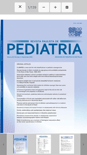
Revista Paulista de Pediatria
Exploring groundbreaking research in pediatrics and perinatology.Revista Paulista de Pediatria is an esteemed academic journal that specializes in the field of pediatrics, published by the SOC PEDIATRIA SAO PAULO. Operating as an Open Access publication since 2007, it aims to disseminate critical research and advancements in child health and perinatology, making valuable knowledge readily accessible to the global community. With its current impact factor positioning it in the Q3 category (2023) of Pediatrics, Perinatology, and Child Health, the journal ranks at #166 out of 330 according to Scopus, placing it in the 49th percentile among its peers. This provides a unique platform for researchers, clinicians, and students eager to engage with pioneering studies and clinical practices that shape contemporary pediatric health policies. The journal’s continuous convergence of knowledge from 2010 to 2025 reaffirms its commitment to advancing pediatric health while addressing the dynamic challenges faced by healthcare professionals in Brazil and abroad. For those invested in the health and well-being of children, Revista Paulista de Pediatria is an indispensable resource worth exploring.
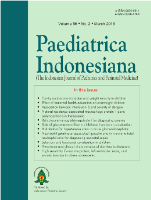
Paediatrica Indonesiana
Transforming pediatric research into actionable health solutions.Paediatrica Indonesiana is a pivotal journal in the field of Pediatrics, published by the Indonesian Pediatric Society Publishing House. With a history dating back to its inception in 1964, the journal has established itself as an important resource for pediatric research and practice in Indonesia and beyond. It has been an Open Access publication since 2001, ensuring that critical findings are widely accessible to healthcare professionals and researchers. Although currently categorized in the Q4 quartile within Pediatrics, Perinatology, and Child Health, its commitment to advancing knowledge and evidence-based practices among pediatricians is noteworthy. The journal's focus on local and regional health issues provides an invaluable platform for sharing insights that support child health initiatives. With its continuous improvements and dedication to relevant research, Paediatrica Indonesiana is positioned to contribute significantly to the field as it converges towards the future of pediatric healthcare.
PAEDIATRIE UND PAEDOLOGIE
Innovating pediatric practices for healthier generations.PAEDIATRIE UND PAEDOLOGIE is a reputable journal published by SPRINGER WIEN, focusing on the field of pediatric medicine and child health. With an ISSN of 0030-9338 and an E-ISSN of 1613-7558, this journal has a rich legacy dating back to its inception in 1971, marking a considerable contribution to the academic discourse around pediatric healthcare until its coverage was discontinued in Scopus in 1997. Although it does not currently offer open access, the journal serves as a vital resource for professionals, researchers, and students dedicated to the advancement of pediatric practices and understanding of child development. The content is meticulously curated to ensure high academic standards, and though it lacks current HIndex or quartile rankings, it remains a significant reference point for those involved in pediatric research. By bridging theory and practice, PAEDIATRIE UND PAEDOLOGIE continues to be an essential platform for knowledge dissemination in the domain of pediatric health.
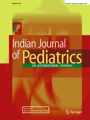
INDIAN JOURNAL OF PEDIATRICS
Leading the way in pediatric innovation and practice.Indian Journal of Pediatrics, published by Springer India, is a premier journal dedicated to advancing research and practice in the field of pediatrics, perinatology, and child health. Since its inception in 1936, it has established itself as a vital resource, supporting the dissemination of high-quality research through an esteemed platform renowned for its rigorous peer-review process. With an impressive 2023 Scopus ranking placing it at #19 out of 330 in its category and a commendable Q2 quartile status, the journal is positioned at the forefront of pediatric medicine research. Although it does not currently offer open access options, the Indian Journal of Pediatrics continues to publish a diverse range of articles that cover clinical studies, reviews, and case reports, ensuring that practitioners and researchers stay abreast of the latest developments in child health. This journal is indispensable for those who strive to improve child health outcomes, providing a unique platform for dialogue among academics, clinicians, and health policymakers alike.
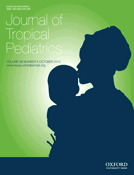
JOURNAL OF TROPICAL PEDIATRICS
Transforming child healthcare through impactful research.JOURNAL OF TROPICAL PEDIATRICS, published by Oxford University Press, stands as a critical platform for the dissemination of research and clinical advancements in the field of tropical pediatrics. With a rich history dating back to 1955, this journal serves as a significant contributor to our understanding of health issues affecting children in tropical and subtropical regions, focusing on infectious diseases, pediatric care, and child health. It currently holds an impressive Q2 ranking in three categories: Infectious Diseases, Medicine (miscellaneous), and Pediatrics, Perinatology and Child Health, placing it among the top journals in its field. Featuring both formative research and applied studies, the journal aims to address the unique challenges posed by pediatric care in tropical environments. Its inclusion in an esteemed database ensures a broad dissemination of critical knowledge to researchers, healthcare professionals, and students alike, promoting a collaborative approach to improving child health outcomes globally.
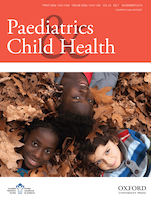
Paediatrics & Child Health
Enhancing child health through rigorous research and collaboration.Paediatrics & Child Health is a distinguished journal dedicated to advancing research and clinical practice in the fields of pediatrics, perinatology, and child health. Published by Oxford University Press Inc, it serves as a vital resource for healthcare professionals, researchers, and students involved in child healthcare disciplines. With an ISSN of 1205-7088 and an E-ISSN of 1918-1485, it features a comprehensive array of studies, reviews, and case reports that aim to enhance the understanding and treatment of pediatric populations. This journal holds a respectable position in the academic community, as evidenced by its Q2 ranking in the 2023 category of Pediatrics, Perinatology, and Child Health, alongside its Scopus ranking of #177/330 and a 46th percentile status. Though it does not offer open access, its rich content contributes significantly to the ongoing dialogue in child health, making it a key reference point for academics and practitioners alike. Since its establishment in 2000, the journal has continuously evolved, responding to the latest trends and research developments up until 2024, thereby fostering a well-informed pediatric community.
PEDIATRICS INTERNATIONAL
Unveiling critical insights for pediatric excellence.Pediatrics International, published by Wiley, is a distinguished journal focusing on the fields of Pediatrics, Perinatology, and Child Health. With an ISSN of 1328-8067 and an E-ISSN of 1442-200X, it has made significant contributions to the understanding of pediatric health since its inception, maintaining a longstanding commitment to high-quality research from 1958 through to the present day. The journal falls within the Q3 category of the ranking system for its field and currently holds a Scopus rank of #184 out of 330, placing it in the 44th percentile of pediatric literature, thereby underlining its relevance in contemporary pediatric research. It aims to disseminate critical insights on child health, promote evidence-based practices, and foster collaborations among healthcare professionals. Researchers and practitioners in the field are encouraged to explore the wealth of resources available through open access options for enhanced reach and impact.
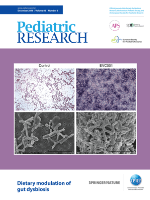
PEDIATRIC RESEARCH
Pioneering discoveries in pediatrics and perinatology.Pediatric Research, published by SpringerNature, is a leading journal in the field of pediatrics, perinatology, and child health. With an impressive impact factor reflecting its stature, this journal has been integral in advancing research since its inception in 1967. With a placement in the Q1 category for Pediatrics, Perinatology, and Child Health, and ranking #30 out of 330 in Scopus, Pediatric Research is recognized for its rigorous peer-review process and commitment to disseminating vital findings that impact child health globally. The journal primarily serves as a platform for researchers, healthcare professionals, and students dedicated to exploring innovative solutions to pediatric health challenges. Although not an open-access journal, it provides valuable insights and research that contribute significantly to improving health outcomes for children. Based in the United States, with a global reach, Pediatric Research remains at the forefront of pediatric innovation and scholarship through 2024 and beyond.

BMC Pediatrics
Fostering collaboration in the realm of child health.BMC Pediatrics is a premier open access journal published by BMC, dedicated to advancing the field of pediatric research. Established in 2001, this journal provides a vital platform for researchers, healthcare professionals, and students to share innovative findings, clinical insights, and studies that focus on child health, development, and well-being. With a commendable position in the second quartile (Q2) of its category for 2023, ranked #103 out of 330 in the Scopus Medicine - Pediatrics, Perinatology, and Child Health category, BMC Pediatrics maintains a strong reputation within the academic community. The journal’s commitment to open access ensures that its high-quality content is readily available to a global audience, fostering collaboration and dialogue among experts. With coverage extending from 2001 to 2024, BMC Pediatrics represents a comprehensive resource for those seeking to stay informed on the latest advancements in pediatrics.