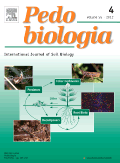
PEDOBIOLOGIA
metrics 2024
Innovating Research for a Sustainable Soil Future
Introduction
PEDOBIOLOGIA, published by Elsevier GmbH, is a prestigious journal dedicated to advancing the fields of Ecology and Soil Science. Renowned for its authoritative contributions to understanding soil biology and its ecological implications, PEDOBIOLOGIA has maintained a strong impact within the academic community, evidenced by its Q2 ranking in both Ecology, Evolution, Behavior and Systematics and Soil Science categories in 2023. The journal has a broad scope that encompasses fundamental and applied research on the interactions between soil organisms and their environment. Since its inception in 1977, it has provided vital insights into the biological functions of soil, serving as a crucial resource for researchers, professionals, and students alike. Although not an Open Access journal, its publications are accessible through various academic libraries, ensuring that cutting-edge research continues to be available to a global audience. Located in the vibrant academic hub of Munich, Germany, PEDOBIOLOGIA not only emphasizes the importance of soil ecosystems but also fosters interdisciplinary dialogue, making it an essential platform for innovative studies in the field.
Metrics 2024
 0.602.002.1080
Metrics History
Rank 2024
Scopus
IF (Web Of Science)
JCI (Web Of Science)
Quartile History
Similar Journals

Soil Research
Uncovering the secrets beneath our feet.Soil Research, published by CSIRO PUBLISHING, is an esteemed scholarly journal dedicated to advancing the field of soil science, environmental science, and earth-surface processes. With an ISSN of 1838-675X and E-ISSN of 1838-6768, this journal serves as a vital platform for researchers and professionals to disseminate innovative findings and engage with contemporary challenges in soil and environmental management. The journal is recognized for its impactful contributions, as evidenced by its Q2 ranking in 2023 across multiple categories including Earth-Surface Processes, Environmental Science, and Soil Science, reflecting its influence and relevance in these critical academic areas. Operating from its headquarters in Clayton, Victoria, Australia, Soil Research is committed to fostering open access to research, ensuring wider dissemination of knowledge. As it converges toward its future objectives until 2024, the journal aims to provide a forum for diverse perspectives that enhance understanding and stewardship of soil resources, making it an indispensable resource for students, researchers, and industry professionals alike.
EURASIAN SOIL SCIENCE
Advancing soil science for a sustainable future.EURASIAN SOIL SCIENCE, published by PLEIADES PUBLISHING INC, is a premier journal dedicated to advancing knowledge in the fields of soil science and earth-surface processes. With an ISSN of 1064-2293 and an E-ISSN of 1556-195X, this journal has been a key resource for researchers and professionals from its inception in 1992 and continues to thrive as it converges toward 2024. Situated in the United States, EURASIAN SOIL SCIENCE has achieved notable recognition, attaining a Q2 ranking in both Earth-Surface Processes and Soil Science categories as of 2023. Its Scopus rankings further underscore its importance, with Earth and Planetary Sciences placing it at #81/179 and Agricultural and Biological Sciences ranking it at #80/159. Engaging a global audience, this journal publishes cutting-edge research articles, reviews, and case studies that address critical issues related to soil health, conservation, and management. Though currently not open access, the journal offers valuable insights and fosters collaboration among scientists and practitioners, underscoring its vital role in enhancing the understanding of soil dynamics and sustainability.
REVISTA BRASILEIRA DE CIENCIA DO SOLO
Exploring Innovations in Soil Science and CultivationREVISTA BRASILEIRA DE CIENCIA DO SOLO, published by the SOC BRASILEIRA DE CIENCIA DO SOLO, serves as a vital open-access platform for disseminating impactful research in the fields of Agronomy and Soil Science. With an ISSN of 0100-0683 and an E-ISSN of 1806-9657, this journal has been fostering academic dialogue since 2003 and has gained recognition as a Q2 journal in both Agronomy and Soil Science as of 2023. Based in Brazil and actively supporting scientists and practitioners globally, it is uniquely positioned to address the challenges and innovations in soil management and cultivation practices. The journal's Scopus rankings reflect its commitment to quality, standing at #164/406 in Agronomy and Crop Science and #74/159 in Soil Science, placing it in the top quartile of its category. Researchers, professionals, and students are encouraged to contribute their findings and insights, making it a significant resource for anyone interested in advancing the science of soil and crop stewardship.

Soil Systems
Connecting Science and Soil: Bridging Theory with PracticeSoil Systems, published by MDPI, is a premier open access journal dedicated to advancing the understanding of soil science and earth-surface processes. Launched in 2017, this journal has quickly established itself with a strong presence in the academic community, holding a prestigious Q1 ranking in both Earth-Surface Processes and Soil Science as of 2023. With an impressive Scopus rank in the top 20% of its categories, Soil Systems is an essential platform for disseminating groundbreaking research addressing the challenges and complexities of soil management, its ecological significance, and its role in sustainable development. The journal operates under an open access model since 2018, ensuring maximum visibility and accessibility for researchers, professionals, and students alike. Based in Switzerland, at ST ALBAN-ANLAGE 66, CH-4052 BASEL, Soil Systems encourages contributions that promote interdisciplinary collaboration, innovative methodologies, and the application of findings to real-world issues related to soil health and environmental sustainability.
Frontiers in Soil Science
Advancing knowledge for a sustainable future.Frontiers in Soil Science, published by FRONTIERS MEDIA SA in Switzerland, is an esteemed open-access journal dedicated to advancing our understanding of soil systems and their vital role in ecosystem functioning and sustainable agricultural practices. Since its inception in 2021, this journal has quickly established itself within the scientific community, boasting a 2023 Scopus Q2 ranking in Soil Science and a notable percentile of 41 among its peers. Researchers and practitioners in the field will find a wide array of original research, reviews, and contributions that address key topics such as soil health, carbon sequestration, and nutrient cycling. With a commitment to fostering collaboration and dissemination of knowledge, Frontiers in Soil Science serves as a vital resource for professionals, researchers, and students who aspire to innovate and lead in soil science research.
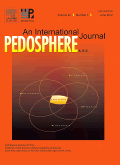
PEDOSPHERE
Bridging Disciplines to Enhance Soil UnderstandingPEDOSPHERE, published by SCIENCE PRESS, is a leading journal in the field of Soil Science, holding a prestigious position in the Q1 category as per the latest evaluations, reflecting its high impact and relevance in the domain. Established in 1996, this journal is committed to advancing our understanding of soil-related processes and their interactions with various environmental components, providing a platform for innovative and high-quality research. With an impressive rank of #13 out of 159 in the Scopus classifications for Agricultural and Biological Sciences, PEDOSPHERE reaches the 92nd percentile, indicating its significance among scholarly publications. Although the journal operates under traditional access options, it remains an essential resource for researchers, professionals, and students keen on exploring the complexities of soil dynamics and sustainability. By bridging interdisciplinary methodologies and fostering collaboration, PEDOSPHERE plays a vital role in addressing global challenges related to soil management, conservation, and ecological balance.

Folia Oecologica
Nurturing Collaboration for Ecological Preservation.Folia Oecologica is a distinguished open-access journal published by WALTER DE GRUYTER GMBH, focusing on critical research in the fields of agricultural and biological sciences, ecology, and forestry. Established as a vital platform for the dissemination of knowledge, this journal has been providing free access to its valuable content since 2017, catering to an international audience engaged in environmental and ecological studies. With its ISSN 1336-5266 and E-ISSN 1338-7014, Folia Oecologica has earned notable ranks in Scopus, placing it in the 62nd percentile for Agricultural and Biological Sciences and the 50th percentile for Environmental Science. The journal's commitment to high-quality research is reflected in its positions in the Q2 and Q3 quartiles across various categories in 2023. As it converges years from 2006 to 2024, Folia Oecologica continues to foster scholarly dialogue and collaboration among researchers, professionals, and students, making significant contributions to the understanding and preservation of our ecological systems.
EUROPEAN JOURNAL OF SOIL BIOLOGY
Advancing Research for a Healthier EarthThe EUROPEAN JOURNAL OF SOIL BIOLOGY is a leading publication through ELSEVIER FRANCE-EDITIONS SCIENTIFIQUES MEDICALES ELSEVIER, renowned for its rigorous contribution to the fields of soil science, microbiology, and insect science. Established in 1993 and continuing to thrive until 2024, this journal is recognized for its high academic standards, achieving a prestigious Q1 ranking across multiple disciplines including Insect Science, Microbiology, and Soil Science in 2023. With a Scopus rank placing it in the top tiers of relevant categories, the journal serves as a vital platform for disseminating groundbreaking research and advancements in soil biology. Although currently not an open access journal, it offers valuable insights to researchers, professionals, and students, enhancing understanding and fostering innovative solutions for global soil health challenges. The journal's ISSN is 1164-5563 and its E-ISSN is 1778-3615, offering a wealth of knowledge from an esteemed publisher situated in France.
CANADIAN JOURNAL OF SOIL SCIENCE
Innovating Research to Sustain Our SoilsThe Canadian Journal of Soil Science (ISSN: 0008-4271, E-ISSN: 1918-1841) is a premier publication in the field of soil science, proudly published by Canadian Science Publishing. Established in 1974, this esteemed journal aims to promote high-quality research and insights into the dynamic interactions within soil ecosystems, addressing pressing issues such as soil health, management, and sustainability. With an impressive 2023 category quartile ranking of Q2 in Soil Science and a Scopus ranking placing it in the 52nd percentile, this journal stands out as a key resource for researchers, professionals, and students alike. Although currently not open access, the journal provides valuable content that contributes to advancing the understanding of soil science, an essential discipline for agricultural innovation and environmental stewardship. As we approach its converged years through 2024, the Canadian Journal of Soil Science is poised to continue its pivotal role in disseminating impactful research and fostering a community dedicated to soil science excellence.
JOURNAL OF SOILS AND SEDIMENTS
Exploring the Foundations of Earth SciencesJOURNAL OF SOILS AND SEDIMENTS, published by SPRINGER HEIDELBERG, stands as a premier interdisciplinary platform dedicated to advancing the understanding of soil and sediment dynamics within the broader context of Earth sciences. With an impressive impact factor and a Q1 ranking in both Earth-Surface Processes and Stratigraphy, this journal not only reflects the high quality of research but also contributes significantly to the dialogue amongst researchers, professionals, and students in the field. The journal encompasses a wide spectrum of topics from sedimentology to soil science, making it essential reading for those involved in environmental management, agriculture, and geology. Access options are available to ensure that cutting-edge research is accessible to a global audience, reflecting the journal's commitment to fostering collaboration and innovation. As we converge towards 2024, JOURNAL OF SOILS AND SEDIMENTS aims to continue its role in shaping scientific inquiry and policy formulation concerning the vital roles of soils and sediments in ecological and geological systems.