
Physics & Imaging in Radiation Oncology
metrics 2024
Exploring New Frontiers in Radiation Therapy and Imaging
Introduction
Physics & Imaging in Radiation Oncology is a premier journal dedicated to advancing the interdisciplinary field of radiation oncology through innovative research and imaging technologies. Published by Elsevier, this open-access journal has made its mark since its inception in 2017, ensuring that groundbreaking findings are accessible to a broad audience. With a strong focus on the integration of physics, imaging techniques, and oncology, the journal occupies esteemed positions in the academic landscape, ranking in the top quartile for Radiation and Radiology, Nuclear Medicine and Imaging as of 2023. The journal serves as a platform for researchers, professionals, and students to share insights and foster collaboration, ultimately improving patient outcomes through enhanced imaging and treatment modalities. Based in Ireland and operating from Radarweg 29, 1043 NX Amsterdam, Netherlands, the journal aims to bridge the gap between theoretical physics and practical applications in clinical settings.
Metrics 2024
 -3.403.40-
Metrics History
Rank 2024
IF (Web Of Science)
JCI (Web Of Science)
Quartile History
Similar Journals

Journal of Radiosurgery and SBRT
Elevating Standards in Radiation Treatment ResearchJournal of Radiosurgery and SBRT is a dedicated platform for advancing the field of radiosurgery and stereotactic body radiation therapy (SBRT), published by OLD CITY PUBLISHING INC. With its ISSN 2156-4639 and E-ISSN 2156-4647, this journal serves researchers and practitioners keen on the latest findings and methodologies in the domains of radiological technology and surgical oncology. Operating from Spain, the journal has established itself within notable quartiles, ranking Q3 in 2023 across categories including Radiological and Ultrasound Technology, Radiology, Nuclear Medicine and Imaging, and Surgery. The journal is indexed in Scopus, with rankings that place it at #311 in Medicine Surgery and #232 in Medicine Radiology categories, reflecting its significance in the academic community. Although it does not currently offer an open-access model, the Journal of Radiosurgery and SBRT aims to foster innovation and collaboration, making it an essential resource for those involved in cutting-edge research and clinical practice in radiosurgery.
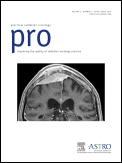
Practical Radiation Oncology
Fostering Excellence in Radiation TherapyPractical Radiation Oncology is a premier journal published by Elsevier Science Inc., focusing on the critically important fields of Oncology and Radiology, Nuclear Medicine, and Imaging. With an ISSN of 1879-8500, this journal serves as an essential resource for professionals and researchers dedicated to advancing the practice and research of radiation oncology. Established in 2011 and continuing through 2024, it has quickly gained recognition, achieving a prestigious Q2 ranking in Oncology and an exceptional Q1 ranking in Radiology, Nuclear Medicine, and Imaging as of 2023. The journal, housed in New York, USA, provides a platform for innovative research and practical insights, aimed at enhancing therapeutic practices and improving patient outcomes. As part of its commitment to fostering scientific dialogue, it also features a range of articles, reviews, and clinical studies that cater to the diverse interests of its readers. Hard-copy availability combined with digital access ensures a broad reach for the latest advancements in the field.
Journal of Medical Imaging and Radiation Oncology
Innovating Imaging Techniques for a Healthier TomorrowJournal of Medical Imaging and Radiation Oncology, published by WILEY, is a pivotal resource in the fields of oncology and medical imaging. With an impact factor reflective of its commitment to advancing research, the journal has maintained a robust reputation since its inception in 2008 and continues to thrive through 2024. It is indexed with an insightful ranking, with a Q2 classification in Radiology, Nuclear Medicine and Imaging, affirming its importance in these disciplines. This journal not only serves as an open access platform, allowing extensive reach and accessibility, but also fosters a scholarly community dedicated to the innovation of imaging techniques and radiation oncology practices. As a key player in disseminating crucial findings and advancements, it appeals to researchers, clinicians, and students who aim to contribute to the evolving landscape of medical imaging and cancer treatment methodologies. The journal is based in Australia, at 111 River St, Hoboken, NJ, and invites submissions that push the boundaries of current knowledge in this critical area of healthcare.
RADIATION RESEARCH
Elevating the discourse in biophysics and radiology.RADIATION RESEARCH is a prestigious journal published by the RADIATION RESEARCH SOC that serves as a vital resource for professionals and researchers in the fields of biophysics, radiation science, and radiology. Established in 1954, this journal has consistently advanced the study of radiation's effects on health and the environment, bridging fundamental and applied research. It boasts an impressive impact factor reflected in its quartile rankings, including Q2 in Biophysics and Q1 in Radiation, making it a highly regarded publication within its discipline. Researchers will find valuable insights through rigorous peer-reviewed articles that explore innovative methodologies and findings related to radiation exposure, imaging technologies, and the biological consequences of radiation. Although the journal does not currently offer open access, it remains a vital reference for academia and industry, fostering a deeper understanding of radiation sciences and their implications for future research and public health.
Current Cardiovascular Imaging Reports
Illuminating the Path to Advanced Cardiovascular CareCurrent Cardiovascular Imaging Reports, published by SPRINGER, is a notable academic journal within the field of cardiovascular imaging. With its ISSN 1941-9066 and E-ISSN 1941-9074, this journal has been a critical resource since its inception in 2008, aiming to disseminate high-quality research and reviews in the realm of cardiovascular diagnostics and imaging technologies. Though currently categorized within the Q3 and Q4 quartiles for various fields such as Applied Microbiology and Biotechnology, Histology, and Cell Biology, its impact and relevance are growing steadily. Researchers and practitioners can benefit from the insights presented in this journal, especially as it covers advancements and practical applications in cardiovascular imaging techniques crucial for enhancing patient care. Given its ongoing commitment to open access, although not currently available, readers can engage with significant research findings that may inform future studies and applications in cardiology. With plans to converge towards 2024, this journal is poised to facilitate the exchange of knowledge and foster innovation within its dynamic field.
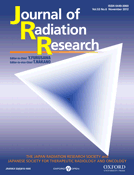
JOURNAL OF RADIATION RESEARCH
Exploring the frontiers of health and toxicology in radiation.JOURNAL OF RADIATION RESEARCH, published by Oxford University Press, is a prominent peer-reviewed journal focusing on the diverse fields of radiation science, including health, toxicology, and radiology. Since its inception in 1960, this open-access journal has provided a critical platform for the dissemination of high-quality research, making it accessible to a global audience of researchers, professionals, and students. With a consistent track record, the journal holds an impressive impact factor and is categorized in Q2 of Radiation studies and Q3 in Health and Toxicology as per the 2023 rankings, reflecting its influential role in shaping contemporary discourse in the field. The journal also boasts notable rankings within Scopus, further underscoring its importance in advancing knowledge and innovations related to radiation. Spanning from 1960 to 2024, the JOURNAL OF RADIATION RESEARCH remains at the forefront of scientific exploration and is essential reading for anyone committed to advancing the understanding of radiation and its effects.
EJNMMI Research
Connecting Theory with Practice in Cutting-Edge Research.EJNMMI Research, a prominent journal published by Springer, plays a pivotal role in advancing the fields of radiology, nuclear medicine, and imaging. With an impact factor that reflects its strong standing—ranking in the top 22% of its category (Q1 as of 2023)—this open-access journal offers researchers, professionals, and students unparalleled access to innovative research and developments in the field since its inception in 2011. Based in Germany, EJNMMI Research fosters global collaboration by ensuring that cutting-edge findings are freely accessible, thereby accelerating scientific discovery and application. With an emphasis on high-quality, peer-reviewed articles, it serves as an essential resource for those seeking to stay at the forefront of nuclear medicine and imaging. By bridging theoretical insights with practical applications, the journal not only influences academic discourse but also supports ongoing advancements in clinical practices.
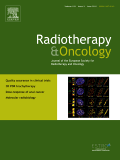
RADIOTHERAPY AND ONCOLOGY
Transforming cancer therapies with cutting-edge studies and reviews.Radiotherapy and Oncology is a leading peer-reviewed journal published by Elsevier Ireland Ltd, focusing on the vital fields of hematology, oncology, and radiology. With an impressive impact factor and ranking in the top quartiles (Q1) of its categories as of 2023, it is recognized for disseminating high-quality research that contributes significantly to advancements in cancer treatment and patient care. The journal, which has been in circulation since 1983, aims to provide a platform for original research articles, reviews, and clinical studies that explore the latest innovations in radiotherapeutic technologies and oncology practices. This journal is essential for researchers, healthcare professionals, and students who are dedicated to improving cancer therapies and outcomes. Although it does not offer open access, the wealth of information contained within its pages supports continued education and development in these crucial medical fields.
Oral Radiology
Bridging the gap between technology and clinical practice in dentistry.Oral Radiology is a prestigious academic journal published by Springer, dedicated to advancing the field of dentistry and radiology through high-quality research and innovative findings. With a focus on oral imaging, it has established itself as a vital resource for researchers, clinicians, and students alike, striving to bridge the gap between cutting-edge imaging technologies and practical applications in oral health. Covering a diverse range of topics from 1985 to 2024, this journal not only holds a commendable Q2 ranking in both the Dentistry (miscellaneous) and Radiology, Nuclear Medicine and Imaging categories but also ranks impressively within the Scopus metrics, placing it among the top-tier publications in its field. While not an open-access journal, Oral Radiology remains a crucial platform for disseminating significant advances, influencing both academic research and clinical practices. Its rigorous peer-review process ensures that only the highest quality articles are published, making it an essential read for those seeking to stay at the forefront of oral radiological science.
Journal of Radiation Research and Applied Sciences
Transforming understanding of radiation through rigorous scholarship.Journal of Radiation Research and Applied Sciences, published by ELSEVIER, is a premier open-access journal since 2013, dedicated to advancing the understanding and application of radiation research in various fields. With an ISSN of 1687-8507, this journal serves as a vital resource for researchers, professionals, and students engaged in the study of the physical and biological effects of radiation, radiation physics, and its applications in medicine and industry. Its rigorous peer-review process ensures the dissemination of high-quality research that meets the growing demands for innovative solutions in radiation science. By offering comprehensive access options, the journal promotes an inclusive approach to sharing knowledge with the global community. The Journal of Radiation Research and Applied Sciences stands out as a key platform for scholarly communication, fostering advancements that impact both theory and practice in the rapidly evolving landscape of radiation research.