
PHYSICS OF PLASMAS
metrics 2024
Shaping the Landscape of Plasma Physics Research
Introduction
Physics of Plasmas is a premier peer-reviewed journal published by AIP Publishing, focusing on the vital and interdisciplinary field of plasma physics. With an ISSN of 1070-664X, this journal presents cutting-edge research that spans a wide array of topics including fusion energy, astrophysical plasmas, and industrial applications of plasma technologies. As a recognized leader in the field, it holds a prestigious Q1 ranking in Condensed Matter Physics, reflecting its high impact and quality of published work. The journal's scope encompasses both fundamental studies and innovative applications, serving as an essential resource for researchers, professionals, and students alike. Although it does not offer open access, its rigorous selection process ensures that only the most significant contributions are highlighted. With a convergence of expertise from 1994 to 2024, Physics of Plasmas continually shapes the future of plasma research and technology, making it a critical avenue for sharing discoveries and advancements in this dynamic area of physics.
Metrics 2024
 0.712.001.90174
Metrics History
Rank 2024
Scopus
IF (Web Of Science)
JCI (Web Of Science)
Quartile History
Similar Journals
Chinese Physics B
Empowering researchers to share their physics journey.Chinese Physics B, published by IOP Publishing Ltd, is a distinguished journal in the field of Physics and Astronomy, offering a platform for researchers to disseminate cutting-edge studies and advancements. With an ISSN of 1674-1056 and an E-ISSN of 2058-3834, this journal emphasizes open access, ensuring that groundbreaking research is readily available to a global audience. Reflecting its commitment to quality, Chinese Physics B is categorized in the Q3 quartile (2023) in its subject area and ranks 118 out of 243 among its peers in general physics and astronomy according to Scopus, placing it in the 51st percentile. Publishing since 2008, the journal not only maintains a rigorous peer-review process but also aims to foster collaboration among academics in various physics disciplines. With its base in the United Kingdom, Chinese Physics B remains a crucial resource for those seeking to stay abreast of developments in the diverse world of physics.

Plasma is a leading open-access journal published by MDPI, devoted to the exploration and advancement of knowledge in the fields of engineering, physics, and materials science. Established in 2018, this journal provides a vital platform for researchers, professionals, and students to disseminate original findings and critical reviews related to plasma science, its applications, and its interdisciplinary aspects. With an E-ISSN of 2571-6182, Plasma actively promotes open access to ensure that research is widely accessible, reinforcing its commitment to accelerating scientific communication and collaboration across global communities. The journal enjoys respectable rankings in Scopus, with a notable position in Engineering, Physics and Astronomy, and Materials Science categories, making it an essential resource for those seeking to remain at the forefront of plasma research. Covering a range of topics until 2024, Plasma invites cutting-edge contributions that push the boundaries of understanding in this dynamic field.
DOKLADY PHYSICS
Pioneering Insights in General Physics and Materials Science.DOKLADY PHYSICS is a prominent academic journal dedicated to advancing knowledge in the fields of computational mechanics, mechanics of materials, and general physics and astronomy. Published by MAIK NAUKA/INTERPERIODICA/SPRINGER, this journal has established itself as a crucial resource for researchers and professionals keen on exploring the intricacies of physical phenomena and engineering applications. With its ISSN 1028-3358 and E-ISSN 1562-6903, DOKLADY PHYSICS has been contributing to scientific discourse since its inception in 1996 and continues to provide a platform for innovative research up to 2023. Despite its current Q3 ranking in several key categories, the journal maintains an inclusive approach, striving to influence both academic and practical aspects of its fields. While the journal may not be open access, it remains a vital publication for those interested in high-quality research, as reflected in its Scopus ranking positions across various engineering and physics categories.
Plasmatology
Pioneering Discoveries in Hematological AdvancementsPlasmatology, published by SAGE Publications Ltd, is a pioneering open-access journal devoted to the field of hematology, focusing on the latest advancements and research in plasma science and its applications. Established in 2021, this journal aims to foster knowledge exchange among researchers, practitioners, and students by providing a platform for sharing innovative studies and reviews. While currently positioned in the Q4 quartile for hematology and ranking #111 in the Scopus database, Plasmatology is dedicated to enhancing its influence and reflecting the dynamic nature of hematological research. With access options freely available to all, the journal encourages a collaborative approach to address the challenges and developments in the field. Based in the United Kingdom, Plasmatology is an emerging resource for anyone interested in advancing their understanding and involvement in plasma research.
JOURNAL OF GEOPHYSICAL RESEARCH-SPACE PHYSICS
Illuminating the Dynamics of Our Planetary EnvironmentJOURNAL OF GEOPHYSICAL RESEARCH-SPACE PHYSICS, published by the American Geophysical Union, stands as a pivotal academic platform dedicated to the dissemination of cutting-edge research in the fields of geophysics and space physics. With an impressive impact factor and recognition as a Q1 journal in Geophysics and Q2 in Space and Planetary Science as of 2023, this journal offers an esteemed venue for researchers seeking to publish high-quality studies that advance our understanding of the interactions between the Earth and space environment. The journal features comprehensive coverage of topics spanning from the ionosphere to magnetosphere, facilitating insights critical for both academic and applied sciences. Researchers, professionals, and students will find that this journal not only presents rigorous peer-reviewed articles but also encourages the accessibility of scientific knowledge, enhancing collaboration across disciplines. With its dedicated readership and influence in the scientific community, JOURNAL OF GEOPHYSICAL RESEARCH-SPACE PHYSICS plays an essential role in fostering innovations within these dynamic fields.
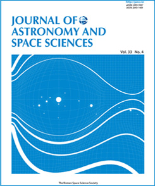
Journal of Astronomy and Space Sciences
Exploring the Cosmos, One Discovery at a Time.The Journal of Astronomy and Space Sciences, published by the Korean Space Science Society, is a premier open-access platform dedicated to advancing the fields of astronomy, astrophysics, and space sciences. Established in 1984, the journal has been instrumental in disseminating high-quality research findings, fostering collaboration among scientists globally, and providing insights into the dynamics of our universe. With an ISSN of 2093-5587 and an E-ISSN of 2093-1409, the journal has gained notable recognition, currently ranking in the Q3 quartile in Earth and Planetary Sciences and Physics and Astronomy as of 2023. Although the journal's H-Index is currently unspecified, its commitment to rigorous peer-review processes and open-access availability ensures that groundbreaking research is accessible to a wide audience. Based in Seoul, South Korea, the journal is poised to continue supporting innovative research through 2024 and beyond. Researchers, professionals, and students alike will find valuable resources and opportunities within its pages, further establishing this journal as a crucial resource in the exploration of the cosmos.
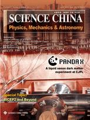
Science China-Physics Mechanics & Astronomy
Exploring the Frontiers of Mechanics and AstronomyScience China-Physics Mechanics & Astronomy, published by SCIENCE PRESS, stands as a prestigious journal within the Physics and Astronomy domain, particularly recognized for its contributions to the understanding of fundamental and applied physics. With an exhilarating Q1 ranking in the 2023 category and earning a remarkable scopus rank of #21 out of 243, the journal demonstrates its significant impact, being positioned in the 91st percentile of its field. Operating under an Open Access model, it facilitates the broad dissemination of high-quality research, ensuring accessibility for researchers, professionals, and students worldwide. Its scope covers a variety of essential topics in physics and astronomy, promoting a comprehensive understanding of the latest advancements from 2010 through 2024. The journal is a vital resource for anyone aiming to stay at the forefront of research in these dynamic fields, with its prominent address located in Beijing, China, symbolizing its global influence.

Recent Contributions to Physics
Exploring the frontiers of theoretical and practical physics.Recent Contributions to Physics is a distinguished journal published by AL-FARABI KAZAKH NATIONAL UNIVERSITY, focusing on the latest developments and research breakthroughs in the field of physics. Established as an open access journal since 2008, it aims to facilitate the wide dissemination of knowledge by allowing researchers, professionals, and students worldwide to access high-quality content without barrier. Featuring a diverse range of topics within physics, from theoretical innovations to practical applications, this journal is an essential resource for anyone seeking to stay at the forefront of scientific advancement. Its commitment to quality and accessibility not only enhances the impact of research in the scientific community but also promotes collaboration across disciplines. With its dedication to fostering a vibrant academic dialogue, Recent Contributions to Physics is poised as a key contributor to the future of physics research.
PLASMA SOURCES SCIENCE & TECHNOLOGY
Exploring Innovations in Plasma Physics and Applications.PLASMA SOURCES SCIENCE & TECHNOLOGY is a premier academic journal published by IOP Publishing Ltd, focusing on the innovative field of plasma science and its applications in technology. Established in 1992, the journal has significantly contributed to advancing knowledge in this crucial area, maintaining a robust Q1 quartile ranking in Condensed Matter Physics as of 2023, which reflects its high-impact research dissemination. With an impressive Scopus ranking of 74 out of 434 in the field of Physics and Astronomy—specifically within Condensed Matter Physics—this journal stands out as a leading source for researchers and professionals dedicated to the study and application of plasma technologies. While it is not an Open Access journal, the published works are accessible through institutional subscriptions, making them available to a wide academic audience. The journal aims to provide a platform for significant contributions related to plasma physics, fostering scientific dialogue and collaboration across various disciplines. As it continues through its converged years up to 2024, PLASMA SOURCES SCIENCE & TECHNOLOGY remains essential for anyone involved in the burgeoning exploration of plasma-related scientific advancements.
PLASMA PHYSICS AND CONTROLLED FUSION
Transforming Theoretical Insights into Fusion RealityPLASMA PHYSICS AND CONTROLLED FUSION is a leading academic journal published by IOP Publishing Ltd that focuses on advancing the understanding of plasma physics and its applications in the field of controlled fusion. Established in 1984, this prestigious journal has earned a significant reputation, demonstrated by its Q1 rankings in both Condensed Matter Physics and Nuclear Energy and Engineering for 2023, alongside impressive Scopus rankings placing it in the 79th percentile in its category. The journal serves as an essential platform for researchers, professionals, and students seeking to stay abreast of cutting-edge developments in plasma behavior, fusion technologies, and theoretical frameworks. While it does not currently offer open access options, the journal's rigorous peer-review process ensures the dissemination of high-quality research that is crucial for the advancement of nuclear energy solutions and the broader field of physics. With its commitment to fostering innovative research and development, PLASMA PHYSICS AND CONTROLLED FUSION is a vital resource for those passionate about the future of energy and scientific exploration.