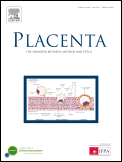
PLACENTA
metrics 2024
Exploring the Frontiers of Placental Biology
Introduction
PLACENTA is a prestigious journal published by W B SAUNDERS CO LTD, focusing on the interdisciplinary fields of Obstetrics and Gynecology, Reproductive Medicine, and Developmental Biology. Established in 1970, it has established itself as a vital resource for researchers and practitioners, providing insights into placental biology, associated diseases, and innovations in reproductive health. The journal holds impressive rankings, landing in the Q1 category for Obstetrics and Gynecology and Reproductive Medicine, and Q2 in Developmental Biology, reflecting its commitment to high-quality, impactful research. With its robust Scopus rankings and substantial readership, PLACENTA serves not only as a scholarly platform but also as a catalyst for knowledge dissemination in maternal-fetal health. Researchers, healthcare professionals, and students interested in the latest advancements and findings in placental research will find this journal indispensable. Access to articles is provided through subscription, ensuring the dissemination of high-quality research findings to a global audience.
Metrics 2024
 0.983.003.10142
Metrics History
Rank 2024
Scopus
IF (Web Of Science)
JCI (Web Of Science)
Quartile History
Similar Journals
JOURNAL OF REPRODUCTIVE IMMUNOLOGY
Advancing insights into the immune-reproductive nexus.The JOURNAL OF REPRODUCTIVE IMMUNOLOGY, published by Elsevier Ireland Ltd, stands as a pivotal platform for exploring the intricate interactions between reproductive health and the immune system. With an ISSN of 0165-0378 and an E-ISSN of 1872-7603, this esteemed journal spans over four decades, from 1979 to 2024, contributing significantly to the fields of Immunology, Reproductive Medicine, and Obstetrics and Gynecology. Currently ranked in Q2 for Immunology and Allergy and Q1 for both Obstetrics and Gynecology and Reproductive Medicine, it serves as an invaluable resource for researchers, professionals, and students dedicated to advancing knowledge in reproductive health. The journal’s notable impact factor and rigorous peer-review process underscore its commitment to high-quality research, making it an essential reference point for ongoing studies in this ever-evolving discipline. By promoting interdisciplinary discussions and pioneering research findings, the JOURNAL OF REPRODUCTIVE IMMUNOLOGY fosters a deeper understanding of the immune mechanisms that influence reproductive outcomes.
BIOLOGY OF REPRODUCTION
Transforming Understanding of Reproductive MechanismsBIOLOGY OF REPRODUCTION is a premier journal published by Oxford University Press Inc, dedicated to advancing research in the fields of reproductive biology, cell biology, and reproductive medicine. With an impressive impact factor and a strong ranking as Q1 in reproductive medicine and miscellaneous medicine, as well as Q2 in cell biology, this journal offers a vital platform for disseminating innovative findings and pivotal studies that shape our understanding of reproductive processes. Since its inception in 1969, BIOLOGY OF REPRODUCTION has become a key resource for scientists, clinicians, and students alike, providing insights that drive the future of reproductive health and research. Although not an open-access publication, it remains a respected authority, reflecting a commitment to high-quality peer-reviewed articles. The journal's comprehensive scope includes molecular and cellular aspects of reproduction, reproductive health, and associated technologies, making it indispensable for professionals looking to stay at the forefront of breakthroughs within the field.

Reproductive Biology
Illuminating the Pathways of Reproductive MechanismsReproductive Biology is a premier academic journal published by Elsevier, dedicated to advancing the field of reproductive science. With an ISSN of 1642-431X and an E-ISSN of 2300-732X, this journal has been serving the scientific community since its inception in 2001. It notably holds a Q1 ranking in Animal Science and Zoology as of 2023, underscoring its significant impact and prominence in this domain. The journal encompasses a wide array of topics surrounding reproductive biology, including but not limited to endocrinology and developmental processes, making it an essential resource for researchers and practitioners. Although it operates under a traditional access model, its comprehensive scope offers valuable insights that contribute to advancements in reproductive health, animal conservation, and biotechnology. Published in the Netherlands, Reproductive Biology aims to foster interdisciplinary collaboration and innovation, ultimately enriching our understanding of reproductive mechanisms across various species. Researchers, professionals, and students alike will find this journal an indispensable platform for disseminating groundbreaking research and engaging with the latest findings in reproductive science.
Obstetrics & Gynecology Science
Empowering Knowledge in Obstetrics and GynecologyObstetrics & Gynecology Science is a premier journal in the field of obstetrics and gynecology, published by the Korean Society of Obstetrics and Gynecology (KSOG). With an ISSN of 2287-8572 and an E-ISSN of 2287-8580, this journal has established a solid reputation for disseminating high-quality research since its transition to an Open Access model in 2010. Situated in South Korea, the journal contributes significantly to the global academic discourse, evidenced by its categorization in Q2 for Obstetrics and Gynecology as of 2023, and its notable Scopus ranking of #75 out of 209 in the Medicine category, reflecting a commendable 64th percentile ranking. The scope of the journal covers diverse research areas relevant to both established practitioners and emerging scholars, aiming to foster innovation and knowledge transfer in women's health. As the journal converges its focus from 2017 to 2024, it continues to be an essential resource for researchers, healthcare professionals, and students dedicated to advancing their understanding and practice in this vital field of medicine.
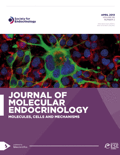
JOURNAL OF MOLECULAR ENDOCRINOLOGY
Connecting Molecular Biology and Endocrine DynamicsJOURNAL OF MOLECULAR ENDOCRINOLOGY, published by BIOSCIENTIFICA LTD, is a prestigious academic journal that has made significant contributions to the fields of endocrinology and molecular biology since its inception in 1988. With an impressive impact factor that places it in the Q1 category for Endocrinology and Q2 for Molecular Biology, this journal is recognized for its rigorous peer-reviewed research that addresses key questions at the intersection of molecular mechanisms and hormonal regulation. The journal's accessibility within the Scopus rankings, notably positioned 45th out of 128 in Endocrinology, highlights its relevance and influence in shaping contemporary scientific discourse. Although the journal does not currently offer open access options, it remains an essential resource for researchers, professionals, and students eager to explore groundbreaking discoveries and advancements in the hormonal sciences. The JOURNAL OF MOLECULAR ENDOCRINOLOGY continues to pave the way for critical exploration and innovation, ensuring its place as a vital publication for the advancement of knowledge in molecular endocrinology.
Maternal-Fetal Medicine
Connecting researchers and clinicians to reshape reproductive health.Maternal-Fetal Medicine is a pivotal open-access journal dedicated to advancing the field of reproductive health, encompassing both obstetrics and pediatrics. Published by Lippincott Williams & Wilkins, this journal has been providing a platform for groundbreaking research and comprehensive reviews since its transition to open access in 2019. With an ISSN of 2096-6954 and E-ISSN 2641-5895, it aims to disseminate high-quality findings that inform clinical practice and improve maternal and child health outcomes. The journal operates within the United States and is strategically positioned in Q3 of both the Obstetrics and Gynecology and Pediatrics, Perinatology and Child Health categories according to the 2023 evaluation metrics. Despite its relatively recent establishment, Maternal-Fetal Medicine is committed to addressing essential issues and innovations in maternal-fetal health, fostering a collaborative environment for researchers, clinicians, and educators. It serves as a vital resource for those committed to pushing the boundaries of knowledge in this critical area of healthcare.
SEMINARS IN REPRODUCTIVE MEDICINE
Unveiling the Complexities of Human ReproductionSEMINARS IN REPRODUCTIVE MEDICINE is a leading peer-reviewed journal dedicated to exploring the complexities of human reproduction, offering insightful perspectives that encompass advances in reproductive endocrinology, obstetrics, and gynecology. Published by THIEME MEDICAL PUBL INC, this esteemed journal holds a notable spot in multiple Scopus categories, ranking 21st in Reproductive Medicine and 38th in Obstetrics and Gynecology, with an impressive impact in the Q1 and Q2 quartiles. With its commitment to high-quality research and clinical implications, the journal serves as a vital resource for practitioners, researchers, and students alike, fostering an environment of innovation and collaboration in the rapidly evolving reproductive health landscape. SEMINARS IN REPRODUCTIVE MEDICINE also offers convenient open access options, ensuring that its contributions are readily available to the global academic community. For over two decades, from its establishment in 1999 to the present, it has retained a pivotal role in disseminating critical findings that inform both clinical practice and future research efforts.
DEVELOPMENTAL BIOLOGY
Charting New Territories in Developmental StudiesDEVELOPMENTAL BIOLOGY, published by Academic Press Inc., Elsevier Science, stands as a pivotal journal in the fields of cell biology, developmental biology, and molecular biology since its inception in 1959. Renowned for its rigorous peer-review process, this journal serves as a platform for publishing cutting-edge research, reviews, and insights that drive forward our understanding of developmental processes at the cellular and molecular levels. With an impressive track record, it is classified in the Q2 quartile across multiple categories, reflecting its significant impact and relevance in academia and research communities. Although the journal does not provide Open Access options, it remains accessible via numerous academic databases, ensuring a wide reach for researchers, professionals, and students alike. With a commitment to advancing the field, DEVELOPMENTAL BIOLOGY continues to be essential reading for those looking to stay at the forefront of developmental research and its applications.

Journal of Ovarian Research
Exploring breakthroughs in Obstetrics, Gynecology, and Oncology.The Journal of Ovarian Research, published by BMC, is a premier open access journal dedicated to advancing knowledge in the fields of Obstetrics and Gynecology as well as Oncology. Established in 2008, this journal is based in the United Kingdom and has garnered significant attention, evidenced by its impressive Q1 ranking in Obstetrics and Gynecology and Q2 in Oncology as per the 2023 category quartiles. The journal boasts a notable Scopus ranking, placing it at #32 out of 209 in its primary field, showcasing a staggering 84th percentile ranking, indicating its relevance and impact on ongoing research in these disciplines. By facilitating unrestricted access to high-quality research through its open access model, the Journal of Ovarian Research serves as a vital resource for researchers, clinicians, and students alike, fostering collaboration and innovation in ovarian health studies.
Hormone Molecular Biology and Clinical Investigation
Advancing Understanding in Endocrinology and MetabolismHormone Molecular Biology and Clinical Investigation, published by WALTER DE GRUYTER GMBH, is a pivotal journal within the realms of Endocrinology, Diabetes and Metabolism, and Molecular Biology, contributing significant insights to the field since its inception in 2010. With an ISSN of 1868-1883 and an E-ISSN of 1868-1891, this esteemed journal operates from its headquarters in Berlin, Germany. As a further testament to its growing influence, the journal has achieved respectable category quartile rankings in 2023, including Q3 in Endocrinology, Diabetes and Metabolism and Medicine (miscellaneous), alongside Q4 in Molecular Biology. While currently not open access, the journal is dedicated to disseminating high-quality research aimed at understanding hormone-related mechanisms, clinical applications, and the biochemical pathways that underpin human health. The rich variety of articles published in Hormone Molecular Biology and Clinical Investigation make it an invaluable resource for researchers, medical professionals, and students seeking to deepen their knowledge in these critical scientific areas.