
Plant Science Today
metrics 2024
Nurturing a community of plant science pioneers.
Introduction
Plant Science Today is a prominent journal dedicated to advancing the field of plant sciences through innovative research and comprehensive reviews. Published by HORIZON E-PUBLISHING GROUP in India, this open-access journal has been actively disseminating knowledge since its inception in 2018, with a convergence period extending to 2024. With an ISSN of 2348-1900 and a growing reputation, it is categorized in various quartiles for 2023, notably achieving Q3 in Biochemistry, Genetics and Molecular Biology (miscellaneous), while it holds Q4 rankings in critical fields including Ecology and Plant Science. As a valuable resource for students, researchers, and professionals, Plant Science Today aims to inspire discussion and innovation in the realm of ecological and plant science disciplines, where it currently ranks within the lower percentiles in prominent categories such as Environmental Science and Agricultural and Biological Sciences. The journal serves as a crucial platform for the exploration of experimental and theoretical advances, fostering a community eager to explore plant biology's complexities.
Metrics 2024
 0.210.700.9015
Metrics History
Rank 2024
Scopus
IF (Web Of Science)
JCI (Web Of Science)
Quartile History
Similar Journals

Nature Plants
Unveiling Insights in Plant Science ExcellenceNature Plants is a premier journal dedicated to the dynamic and interdisciplinary field of plant science, published by NATURE PORTFOLIO in the United Kingdom. With an impressive impact factor placing it in the top tier of scholarly journals—ranking Q1 in Plant Science for 2023—this journal sets a high standard for research dissemination. Nature Plants has maintained a remarkable Scopus Rank of 5 out of 516 in the Agricultural and Biological Sciences category, reflecting its pivotal role in advancing knowledge in the field. The journal aims to provide a platform for groundbreaking research that addresses key challenges in plant biology, ecology, and agriculture, thereby fostering a deeper understanding of plant science's contribution to global sustainability. Although primarily non-open access, it offers exclusive insights and robust discussions, making it an indispensable resource for researchers, professionals, and students eager to explore the latest advancements and innovations in plant science.

Notulae Botanicae Horti Agrobotanici Cluj-Napoca
Fostering Knowledge Exchange in Agricultural SciencesNotulae Botanicae Horti Agrobotanici Cluj-Napoca is a distinguished open-access journal dedicated to the fields of Agronomy, Horticulture, and Plant Science. Published by the University of Agricultural Sciences and Veterinary Medicine Cluj-Napoca, Romania, this journal serves as a vital platform for disseminating cutting-edge research and innovative practices in botany and agricultural sciences. With an Impact Factor that reflects its significant contributions to the field, it has achieved notable rankings, including Q2 in Agronomy and Crop Science and Horticulture, and Q3 in Plant Science as of 2023. The journal has been an open-access publication since 2019, ensuring maximum visibility and accessibility for researchers worldwide. By fostering the exchange of knowledge among scientists, practitioners, and students, Notulae Botanicae plays a crucial role in advancing the understanding and sustainable practices in the horticultural and agricultural sectors. With its continued growth since it converged in 2007, this journal is a vital resource for anyone looking to stay informed on the latest developments in botanical research.
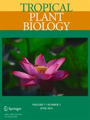
Tropical Plant Biology
Exploring the Wonders of Tropical FloraTropical Plant Biology is a premier academic journal published by Springer, dedicated to advancing the understanding of tropical plants and their ecological significance. With an ISSN of 1935-9756 and an E-ISSN of 1935-9764, this journal serves as a vital platform for researchers, professionals, and students focused on the fields of Genetics and Plant Science. Notably recognized in 2023 as a Q2 journal in Plant Science and Q3 in Genetics, it ranks 171st out of 516 in Agricultural and Biological Sciences and 227th out of 347 in Genetics according to Scopus. The journal encompasses a diverse range of topics, offering insights into tropical plant biology, ecology, conservation, and biodiversity. Although it does not currently operate under an open-access model, it remains an essential resource for anyone passionate about tropical ecosystems and their intricate relationships. With contributions spanning from 2009 to 2024, Tropical Plant Biology continues to foster scholarly discourse and innovation in the field.
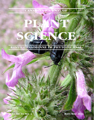
CANADIAN JOURNAL OF PLANT SCIENCE
Fostering Collaboration in Plant Research ExcellenceCanadian Journal of Plant Science (ISSN: 0008-4220, E-ISSN: 1918-1833) is a prestigious publication dedicated to advancing research in the fields of agronomy, horticulture, and plant science. Published by Canadian Science Publishing, this journal has been a cornerstone in the Canadian and international scientific community since its inception in 1973. With a solid presence in reputable databases, it ranks in the Q3 category for multiple disciplines as of 2023, reflecting its impact and relevance within the agricultural sciences. The journal serves as a vital resource for researchers, professionals, and students, encouraging the dissemination of innovative findings and fostering collaboration across disciplines. Although it is not an open-access journal, subscribers gain exclusive access to a wealth of knowledge, with articles aiming to enhance the understanding of plant systems and contribute to sustainable agricultural practices. The Canadian Journal of Plant Science remains committed to supporting the growth of plant-related research and its practical applications in today's changing environmental landscape.
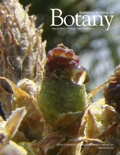
AMERICAN JOURNAL OF BOTANY
Fostering Innovation in Ecology and Plant GeneticsAmerican Journal of Botany, an esteemed publication by Wiley, serves as a pivotal platform for the dissemination of groundbreaking research in the fields of botany, ecology, plant science, and genetics. With an illustrious history dating back to 1946, this journal holds a prestigious position in the academic community, evident through its Q1 ranking in both Ecology, Evolution, Behavior and Systematics and Plant Science, alongside a Q2 ranking in Genetics as of 2023. The journal maintains a competitive edge, ranked 159th in Ecology and Evolution and 124th in Plant Science according to Scopus metrics, underscoring its impact within the research landscape. Though traditionally not an open-access journal, it continues to provide valuable insights and advancements in botanical science, making it essential reading for researchers, professionals, and students dedicated to understanding and exploring the complexities of plant life. The journal's commitment to high-quality research ensures that it remains a cornerstone in the pursuit of knowledge in botany and related disciplines.
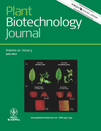
PLANT BIOTECHNOLOGY JOURNAL
Leading the way in plant science research and collaboration.Plant Biotechnology Journal, published by Wiley, is a premier open-access platform dedicated to advancing the field of plant biotechnology. Since its inception in 2003, this journal has played a pivotal role in disseminating high-quality research that enhances our understanding of plant genomics, biochemistry, and molecular biology. With an impressive impact factor and a prominent position in Q1 quartiles across Agronomy, Crop Science, Biotechnology, and Plant Science, it ranks among the top journals globally, reflecting its significant influence in the agricultural and biological sciences. Researchers and professionals can access cutting-edge studies and reviews that facilitate innovation in sustainable crop production and biotechnology applications. The journal's transition to an open access model since 2016 has further amplified its reach, ensuring that vital research is available to a global audience, promoting collaboration and knowledge sharing within the scientific community.

Current Plant Biology
Exploring Innovations in Plant BiologyCurrent Plant Biology is a distinguished peer-reviewed journal published by ELSEVIER, focusing on the dynamic and rapidly evolving field of plant sciences. Since its inception as an Open Access publication in 2014, it has established itself as a leading platform for innovative research, boasting a remarkable Impact Factor that underscores its relevance and contribution to the scientific community. Based in the Netherlands, this journal caters to a diverse audience of researchers, professionals, and students, facilitating the dissemination of key findings in an array of disciplines including biochemistry, genetics, cell biology, and developmental biology. Recognized for its rigorous standards, Current Plant Biology holds a prestigious standing, classified within the Q1 and Q2 quartiles of various Scopus categories, reflecting its impact and reputation in the realms of Plant Science and related fields. The journal is committed to providing accessible and high-quality research outputs that inspire further investigation and collaboration in plant biology.

Revista Fitotecnia Mexicana
Exploring the Depths of Plant Science and GeneticsRevista Fitotecnia Mexicana is a prominent academic journal published by the SOC MEXICANA FITOGENETICA, dedicated to advancing knowledge in the fields of agronomy, crop science, genetics, horticulture, and plant science. With its establishment dating back to 2007 and currently running through 2024, this journal serves as an important platform for researchers, professionals, and academic institutions interested in plant genetic resources and agricultural innovations. Although it holds a Q4 quartile ranking in various categories and is positioned within the lower percentiles in Scopus rankings, it provides crucial insights and opportunities for emerging ideas and local research initiatives. Based in Mexico, and with its indexed ISSN 0187-7380, the journal plays an important role in stemming from the rich agricultural heritage of the region. The lack of open access options underscores the depth of curated content provided, making it a valuable resource for professionals seeking to expand their expertise in the sector.
ACTA PHYSIOLOGIAE PLANTARUM
Exploring the intricacies of plant physiology.ACTA PHYSIOLOGIAE PLANTARUM, published by Springer Heidelberg, is a leading journal dedicated to advancing the fields of Agronomy, Plant Science, and Physiology. With an ISSN of 0137-5881 and an E-ISSN of 1861-1664, this esteemed publication has a significant global outreach, being based in Germany. The journal is recognized for its impactful contributions, currently holding a Q2 ranking in both Agronomy and Crop Science, as well as Plant Science, and a Q3 ranking in Physiology according to 2023 category quartiles. Its Scopus rankings reflect its reputable standing within the academic community, with notable placements in Agricultural and Biological Sciences, further highlighting its importance for researchers and professionals in the field. The objective of ACTA PHYSIOLOGIAE PLANTARUM is to foster robust discussions and disseminate innovative studies that enhance our understanding of plant physiology and its applications. Though not an open-access journal, it provides comprehensive access options for readers keen on exploring cutting-edge research that drives advancements in agricultural productivity and sustainability. Through its dedication to excellence, this journal continues to be a vital resource for advancing knowledge and practices in plant sciences.

Egyptian Journal of Botany
Fostering collaboration in the botanical community.Egyptian Journal of Botany is a premier publication in the field of botanical sciences, encompassing agricultural research, plant biology, and ecology. Published by the NATL INFORMATION DOCUMENTATION CENT, ACAD SCIENTIFIC RESEARCH & TECHNOLOGY in Egypt, this journal has made significant strides since its establishment, now recognized within several prestigious Scopus quartiles including Q3 in Agronomy and Crop Science, and Q3 in Ecology, reflecting its impact and relevance in the scientific community. With an aim to disseminate high-quality research and foster innovation in plant sciences, the journal provides a platform for researchers, professionals, and students alike to share vital findings and advancements. Although it currently operates under traditional access, the wealth of knowledge it offers is pivotal for those engaged in ecological preservation, crop improvement, and biotechnological applications. With its comprehensive scope and evolving reputation, the Egyptian Journal of Botany is poised to remain an influential player in the botanical sciences from 2019 to 2024 and beyond.