
POETRY WALES
Scope & Guideline
Connecting Poets and Readers Across Generations
Introduction
Aims and Scopes
- Exploration of Identity and Culture:
The journal frequently addresses themes of personal and collective identity, including cultural heritage, migration, and the intersections of different cultures, particularly in the context of Welsh identity. - Engagement with Social Issues:
Many poems published in the journal tackle pressing social issues such as mental health, environmental concerns, and political commentary, reflecting the poets' responses to contemporary challenges. - Promotion of Creative Writing:
POETRY WALES not only publishes poetry but also offers workshops and creative writing resources, encouraging both new and experienced writers to develop their craft. - Diverse Poetic Forms and Styles:
The journal showcases a variety of poetic forms and styles, from traditional to experimental, highlighting the versatility and richness of contemporary poetry. - Interdisciplinary Connections:
There is a consistent focus on the interplay between poetry and other art forms, including visual arts, music, and performance, inviting a broader cultural dialogue.
Trending and Emerging
- Climate Change and Environmental Awareness:
A notable increase in poetry addressing climate change and environmental issues reflects a growing concern among poets about ecological crises and their impact on society. - Intersectionality and Social Justice:
There is a rising trend in poems that explore intersectional identities and advocate for social justice, addressing issues such as race, gender, and class, and fostering discussions around equity and representation. - Digital and Technological Influences:
The influence of digital culture and technology on human experience is becoming a prominent theme, with poets experimenting with language and form to reflect the complexities of modern communication and existence. - Collaborative and Cross-Genre Works:
An emerging trend of collaboration between poets and artists from different disciplines indicates a move towards interdisciplinary projects, enhancing the richness of the poetic experience. - Mental Health and Personal Struggles:
Poems tackling mental health issues and personal struggles with vulnerability and resilience are gaining traction, as poets seek to destigmatize these experiences and foster empathy.
Declining or Waning
- Traditional Forms of Poetry:
There appears to be a waning interest in strictly traditional forms and structures of poetry, with fewer submissions that adhere to classical conventions, as the journal embraces more innovative and free-form expressions. - Purely Personal Narratives:
While personal experiences remain important, the frequency of poems centered solely on autobiographical narratives has decreased, indicating a shift towards broader themes that engage with collective experiences or societal issues. - Nature Poetry in Isolation:
Although nature remains a significant theme, poems that focus exclusively on nature without a contextual or relational exploration are becoming less common, as many poets seek to embed their observations within larger socio-political discussions.
Similar Journals

POETRY REVIEW
Illuminating Literary Landscapes, One Poem at a TimePOETRY REVIEW is a distinguished journal published by the Poetry Society Inc in the United Kingdom, committed to exploring the richness and diversity of contemporary poetry. With an *ISSN of 0032-2156*, this journal has been a platform for poets, scholars, and enthusiasts since its inception, offering insights into literary themes, movements, and innovations from 2002 to 2023. Although listed in the *Q4 category for Literature and Literary Theory*, it continues to engage readers and writers alike with its well-curated issues that encourage dialogue surrounding poetic practices. Published quarterly, POETRY REVIEW excels in fostering a deeper understanding of poetic forms and techniques, making it an essential resource for anyone interested in the evolving landscape of literature. While the journal is not open access, it remains vital for academics and practitioners aiming to stay informed on critical discourses within the field.

GEORGIA REVIEW
Illuminating the Intersection of Literature and Society.Georgia Review is a distinguished literary journal published by the University of Georgia, renowned for its commitment to showcasing a diverse array of creative writing, including poetry, fiction, and essays. With its ISSN number 0016-8386, the journal has fostered a vibrant community of writers and scholars since its inception, offering a platform for emerging and established voices alike. Although the journal's coverage in Scopus was discontinued in 2012, its influence within the literary field remains significant, bolstered by a rich tradition of insightful commentary and cultural critique reflective of contemporary issues. Access to the journal is available through traditional subscription models, making it a valuable resource for researchers, students, and literary enthusiasts aiming to explore the intersections of literature and society. The Georgia Review stands out for its rigorous editorial standards and its role in advancing the appreciation of the literary arts, cementing its importance within the landscape of American literary journals.

KENYON REVIEW
Celebrating the Art of Words.KENYON REVIEW is a distinguished literary journal published by Kenyon College, nestled in the heart of Gambier, Ohio. Since its inception, the journal has served as a vital platform for emerging and established voices in the field, contributing significantly to the discourse in Literature and Literary Theory. With its ISSN 0163-075X and E-ISSN 2327-8307, the journal not only showcases a rich tapestry of literary criticism, poetry, and fiction but also emphasizes innovative perspectives on the evolution of literary studies. Though it has encountered fluctuations in its presence, as indicated by its current placement in Q4 quartile within its field and a Scopus rank of #1055 out of 1106, the journal retains its commitment to academic excellence. The KENYON REVIEW is essential reading for researchers, professionals, and students seeking to deepen their understanding of contemporary literary trends and theories. Its comprehensive approach ensures a diverse array of scholarly contributions, making it a pivotal resource in the arts and humanities.
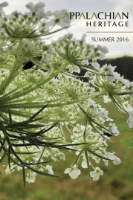
Appalachian Heritage-A Literary Quarterly of the Southern Appalachians
Engaging with the Heartbeat of AppalachiaAppalachian Heritage is a distinguished literary quarterly dedicated to exploring the rich cultural tapestry of the Southern Appalachians, published by the University of North Carolina Press. With a focus on literature, folklore, and the arts, this journal serves as a vital platform for scholars, writers, and enthusiasts alike. Through its thoughtfully curated content, Appalachian Heritage not only celebrates the unique voices and stories of this region but also contributes to a broader understanding of Appalachian identity within the greater context of American literature. While the journal operates under traditional access models, its editorial commitment to quality and cultural relevance ensures that it remains an essential resource for those seeking to delve into the literary heritage of the Southern Appalachians. The journal features a blend of academic articles, creative works, and critical essays that engage with themes of place, memory, and community, making it a must-read for anyone invested in the intersection of literature and culture.
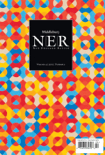
NEW ENGLAND REVIEW-MIDDLEBURY SERIES
Pushing Boundaries in Literary Analysis and TheoryNEW ENGLAND REVIEW-MIDDLEBURY SERIES, published by MIDDLEBURY COLLEGE PUBLICATIONS, stands as a significant contributor to the field of literature and literary theory since its inception in 2002. This journal, holding an ISSN of 1053-1297 and an E-ISSN of 2161-9131, offers a platform for innovative literary scholarship that resonates with contemporary discourse while fostering an appreciation for classic narratives. Though classified in Q4 in the category of Literature and Literary Theory as per the 2023 rankings, it aims to enhance its visibility and impact within the academic community. With a current rank of #1046 out of 1106 in Scopus Arts and Humanities, it invites researchers, professionals, and students alike to submit their work, engage in the literary dialogue, and explore the rich spectrum of human experience through literature. While it operates without open access options, the journal remains committed to high-quality contributions that push the boundaries of literary analysis and theory.

Studia Metrica et Poetica
Exploring the intersection of metrics and poetic expression.Studia Metrica et Poetica is a prominent open access journal dedicated to advancing scholarly discourse in the fields of Literature and Linguistics, published by UNIV TARTU PRESS. Since its inception in 2014, this journal has established itself as a key platform for disseminating innovative research, reaching a broad audience of researchers and students alike. With its HIndex reflecting a growing impact and a commendable ranking of Q2 in Literature and Literary Theory and Q3 in Linguistics and Language as of 2023, it holds an esteemed position within academic circles. The journal's commitment to open access ensures that cutting-edge research is readily accessible to the global scholarly community. Based in Estonia, it encapsulates a diverse range of themes within literary studies, metric analysis, and linguistic inquiry, fostering an interdisciplinary approach that enriches the academic landscape. We invite you to explore the latest contributions and join the conversation in the evolving fields of Linguistics and Literary Studies.

CHICAGO REVIEW
Fostering Innovation in Literary ExpressionCHICAGO REVIEW is a prestigious literary journal published in the United States, with a mission to explore the rich tapestry of contemporary literature and literary theory. With its ISSN 0009-3696 and E-ISSN 2327-5804, the journal serves as a vital platform for emerging voices and established authors alike, showcasing a diverse array of literary forms, including poetry, prose, and critical essays. Published by the CHICAGO REVIEW, the journal stands as an influential publication in the field, particularly noted for its contributions to the understanding of literature's role in society. Despite being categorized in the fourth quartile (Q4) for 2023 in Literature and Literary Theory, its commitment to quality and innovation makes it a significant resource for researchers, professionals, and students seeking to deepen their engagement with literary studies. The journal has maintained a continuous presence from 2002 to 2022, promising a comprehensive archive of thought-provoking content for its readers.

LANDFALL
Exploring the Intersection of Literature and PoliticsLANDFALL is a prominent journal published by UNIV OTAGO PRESS, situated in the picturesque landscapes of New Zealand. With its ISSN 0023-7930, the journal has been a critical voice in the realms of Literature and Literary Theory as well as Political Science and International Relations. Spanning years from 2000 to 2023, LANDFALL has been pivotal in fostering scholarly discussion and exploration concerning complex narratives within literature and socio-political contexts. Although it currently holds a Q4 category ranking in both its comparative fields, its ongoing contributions and unique perspective enrich the dialogue among researchers, professionals, and students alike. With no open access availability, subscription remains essential for accessing its insightful content. The journal’s address, PO BOX 56, DUNEDIN, NEW ZEALAND, serves as a connection point for the academic community to engage with its rich reservoir of knowledge, driving further inquiry into the intersections of literature and political thought.

SOUTHERN HUMANITIES REVIEW
Illuminating the Human Experience Since 1967SOUTHERN HUMANITIES REVIEW, published by Auburn University, is a vital academic platform dedicated to the exploration and critique of diverse topics within the *Arts and Humanities*. Established in 1967, this journal serves as a conduit for innovative thought and scholarly dialogue, making it a significant contributor to its field despite its current ranking in the fourth quartile according to the 2023 Scopus categorization. With its ISSN 0038-4186 and E-ISSN 0038-4186, the journal has been a consistent publisher of scholarly articles from 2002 to 2016 and continues with its mission until 2024. Though it is not an Open Access journal, it offers valuable insights and peer-reviewed research that appeal to researchers, professionals, and students alike. The Southern Humanities Review remains committed to fostering a deeper understanding of the human experience, reflecting the complexities of cultural discourse in an ever-changing world. Researchers and practitioners will find it an enriching resource for contemporary humanities scholarship.

Word and Text-A Journal of Literary Studies and Linguistics
Empowering Voices in Literary and Linguistic ExplorationWord and Text - A Journal of Literary Studies and Linguistics, published by UNIV PETROL-GAZE PLOIESTI, stands as a reputable platform in the exploration of literary and linguistic scholarship. Since its inception, the journal has embraced an open access model, allowing free dissemination of knowledge and enhancing visibility for research outputs starting from 2011. With a keen focus on interdisciplinary studies, this journal caters to a diverse readership, including researchers, professionals, and students in both literature and linguistics. As reflected in its 2023 rankings, the journal occupies an esteemed position in the academic community, with a Q1 classification in Literature and Literary Theory and a Q2 in Linguistics and Language, highlighting its quality and impact. Located in Romania, the journal has consistently provided a vital forum for innovative ideas and critical discourses relevant to evolving trends in the humanities. For scholars dedicated to advancing knowledge in these fields, Word and Text is an essential resource for contemporary literary and linguistic discussions.