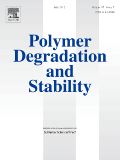
POLYMER DEGRADATION AND STABILITY
metrics 2024
Pioneering Insights into Polymer Stability
Introduction
POLYMER DEGRADATION AND STABILITY is a prestigious peer-reviewed journal published by Elsevier Sci Ltd, focusing on the critical aspects of polymer degradation and stability, which are essential for advancing the field of materials science. With an impressive impact factor and categorized in the top tier (Q1) across several disciplines including Condensed Matter Physics, Materials Chemistry, Mechanics of Materials, and Polymers and Plastics, this journal serves as a vital platform for researchers and professionals dedicated to uncovering the intricacies of polymer behavior under various environmental conditions. Established in 1979 and converging until 2024, it contributes significantly to the scientific dialogue surrounding polymer lifecycle and durability, essential for innovations in engineering and technology. Although it is not an open-access journal, POLYMER DEGRADATION AND STABILITY ensures access to cutting-edge research, providing invaluable insights and fostering academic collaboration for students, researchers, and industry practitioners alike.
Metrics 2024
 1.096.305.90190
Metrics History
Rank 2024
Scopus
IF (Web Of Science)
JCI (Web Of Science)
Quartile History
Similar Journals
Express Polymer Letters
Advancing Polymer Science for a Sustainable FutureExpress Polymer Letters is a leading open-access journal published by BUDAPEST UNIVERSITY OF TECHNOLOGY AND ECONOMICS, focusing on the fast-paced realm of polymer science and engineering. With a broad scope that encompasses the interdisciplinary fields of Chemical Engineering, Materials Chemistry, and Organic Chemistry, the journal serves as a crucial platform for researchers and professionals dedicated to advancing knowledge and innovation in polymer-related disciplines. Since its inception in 2007, it has consistently provided high-quality, peer-reviewed research and has achieved a respectable impact within various categories, evidenced by its Q2 quartile rankings across multiple Scopus categories and its competitive standings in the field. The journal's dedication to open access ensures that research is widely disseminated, promoting transparency and collaboration within the academic community. Positioned to converge into the future, Express Polymer Letters remains an essential resource for cutting-edge studies and developments, with an anticipated convergence period extending through 2024.
Advanced Industrial and Engineering Polymer Research
Driving Excellence in Chemical EngineeringAdvanced Industrial and Engineering Polymer Research (ISSN: 2542-5048), published by KEAI PUBLISHING LTD, stands as a pivotal Open Access journal dedicated to the cutting-edge advancements within the fields of materials science and polymer engineering. Established in 2018, this journal aims to foster innovation and disseminate high-quality research that spans the realms of chemical engineering, industrial and manufacturing processes, and polymer applications. With impressive category quartile rankings in Q1 across various disciplines—including Chemical Engineering, Industrial and Manufacturing Engineering, and Materials Science—this journal represents a significant resource for researchers, industry professionals, and students alike. Offering access from its headquarters in Beijing, China, and embracing a commitment to open access since its inception, Advanced Industrial and Engineering Polymer Research ensures that groundbreaking findings are readily available, facilitating collaboration and enhancing knowledge in the global scientific community.
POLYMER COMPOSITES
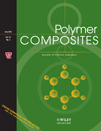
Advancing the Frontier of Polymer SciencePOLYMER COMPOSITES, published by WILEY, is a leading journal dedicated to advancing the fields of materials science and engineering through the exploration of polymer composite materials. With its foundation dating back to 1980, this esteemed journal has continuously provided a platform for researchers to publish high-quality studies and innovative methodologies in areas such as ceramics, composites, and miscellaneous chemistry. Ranked in the prestigious Q1 quartile for sectors like Polymers and Plastics as well as Materials Chemistry, POLYMER COMPOSITES stands significant within the academic community, holding a notable impact factor that reflects its influence. The journal encompasses a comprehensive range of topics, making it essential reading for professionals, researchers, and students aiming to stay at the forefront of developments in polymer science and composite technologies. Although it does not currently offer Open Access, readers can access its impactful publications through institutional or individual subscriptions, contributing to ongoing advancements in the field and facilitating the exchange of valuable knowledge among scientists and engineers worldwide.
EUROPEAN POLYMER JOURNAL
Pioneering Research in Polymer EngineeringEUROPEAN POLYMER JOURNAL is a leading academic journal published by PERGAMON-ELSEVIER SCIENCE LTD, dedicated to advancing the field of polymer science and engineering. With a distinguished history since 1965, this journal serves as a critical platform for researchers to disseminate high-quality research findings within a broad scope that encompasses materials chemistry, organic chemistry, and physics. The journal boasts an impressive Q1 category ranking in multiple fields, including Materials Chemistry, Organic Chemistry, and Polymers and Plastics, placing it in the top tier of academic journals worldwide. Its standing is further reinforced by its high citation metrics, with ranks such as #16 in Organic Chemistry and #20 in Polymers and Plastics, reflecting its significant contribution to the advancement of knowledge and innovation in these areas. Although currently not available as an open-access journal, it provides subscribers with in-depth studies, reviews, and insights relevant to both academia and industry. Researchers, professionals, and students alike will find invaluable information and emerging trends in polymer research, making the EUROPEAN POLYMER JOURNAL an essential resource for staying at the forefront of this dynamic and evolving field.

Polymers
Fostering collaboration in the world of polymers.Polymers is a premier journal published by MDPI, dedicated to advancing the field of polymer science and technology. This open-access journal, established in 2009, has quickly gained prominence in the academic community, serving as a vital platform for disseminating high-quality research articles, reviews, and communications in the realms of chemistry, polymers, and plastics. Based in Switzerland, with an impressive ranking in the Q1 quartile for both Chemistry and Polymer studies, Polymers boasts a significant impact factor, reflecting its rigorous peer-review process and esteemed editorial board. Researchers, professionals, and students alike benefit from the broad accessibility of content, allowing for a more extensive reach and engagement within the scientific community. As a key resource for the latest advancements and innovations in polymer research, Polymers continues to lead discussions, inspire collaborations, and foster the development of novel materials that shape various industrial applications.
POLYMER TESTING
Empowering the Polymer Community with Open Access KnowledgePOLYMER TESTING is an esteemed academic journal published by Elsevier Science Ltd, focusing on advancements in the field of polymers and their applications. With a high impact factor and category quartiles reflecting its influence, it ranks in the Q1 quartile in both Organic Chemistry and Polymers and Plastics, indicating its crucial role in shaping research in these disciplines. The journal has been open access since 2021, ensuring that cutting-edge research is readily available to researchers, practitioners, and students alike. Covering the convergence of foundational and innovative studies from 1980 and continuing through 2024, POLYMER TESTING appeals to a diverse audience, from materials scientists to chemical engineers, providing a platform for high-quality peer-reviewed articles that advance our understanding of polymer behavior, performance, and applications. If you are looking to stay abreast of the latest trends and breakthroughs in polymer science, POLYMER TESTING is your go-to resource.
International Journal of Polymer Science
Pioneering Research in the Polymer LandscapeInternational Journal of Polymer Science is a prominent and peer-reviewed journal dedicated to advancing the field of polymer science. Published by Hindawi Ltd, this open-access journal has been making significant contributions to the discipline since its inception in 2009, ensuring that research findings are accessible to a global audience. With an impressive impact factor and positioned in the Q2 quartile for Polymers and Plastics as of 2023, it ranks 46th out of 161 in the Scopus database, reflecting its strong standing in the research community. The journal welcomes innovative research across various topics within polymer science, including synthesis, characterization, and applications in diverse industries. By providing a platform for scholars, professionals, and students, the International Journal of Polymer Science not only encourages the dissemination of knowledge but also fosters collaboration and innovation in this essential field. Based in Egypt and operating under a rigorous selection process, it remains a vital resource for anyone involved in polymer research.
POLYMER
Fostering Excellence in Polymer ResearchPOLYMER, an esteemed journal published by Elsevier Science Ltd, stands at the forefront of polymer science, presenting cutting-edge research that encompasses the realms of Materials Chemistry, Organic Chemistry, and Polymers and Plastics. With a remarkable impact factor reflecting its significance in the academic community, POLYMER has been a vital resource since its inception in 1960, contributing to a converged body of knowledge through to 2024. Rated Q1 in all relevant categories as of 2023, and boasting impressive Scopus rankings, this journal not only facilitates advanced discussions in polymer synthesis, characterization, and applications but also serves as a critical platform for collaborative research among scholars, professionals, and students. While it offers content primarily via subscription, POLYMER remains dedicated to fostering innovation and excellence in the field, making it an essential read for anyone passionate about polymer science.
POLYMER BULLETIN
Pioneering Discoveries in Condensed Matter PhysicsPOLYMER BULLETIN is a prominent journal in the field of polymer science, published by SPRINGER in Germany. Established in 1978, this peer-reviewed journal focuses on the latest research and developments in polymer chemistry, materials science, and condensed matter physics, boasting a commendable impact factor indicative of its rigorous academic standards. With a Q2 ranking in multiple categories including Chemistry (Miscellaneous), Condensed Matter Physics, Materials Chemistry, and Polymers and Plastics, POLYMER BULLETIN serves as an essential resource for researchers, professionals, and students aiming to stay abreast of innovative findings and methodologies within these interdisciplinary landscapes. Although the journal does not currently offer open access, it provides invaluable insights and data that significantly contribute to the advancement of polymer science. For more information and to access published articles, visit the journal's page on the Springer website.
PROGRESS IN POLYMER SCIENCE
Navigating the Evolving Landscape of Polymer SciencePROGRESS IN POLYMER SCIENCE is a prestigious academic journal published by PERGAMON-ELSEVIER SCIENCE LTD, dedicated to advancing the field of polymer science. With an ISSN of 0079-6700 and an E-ISSN of 1873-1619, this journal has established itself as a leading source of high-quality research since its inception in 1967. It ranks in the top quartile (Q1) across multiple categories including Ceramics and Composites, Materials Chemistry, Organic Chemistry, Polymers and Plastics, and Surfaces and Interfaces, reflecting its strong reputation and impact within the scientific community. The journal features rigorous peer-reviewed articles that not only contribute to theoretical advancements but also emphasize practical applications of polymer science in various industries. Although it is not an open-access journal, it remains accessible through institutional subscriptions and provides invaluable insights and data for researchers, professionals, and students alike. PROGRESS IN POLYMER SCIENCE is essential reading for anyone looking to stay abreast of the latest developments and innovations in this dynamic field.