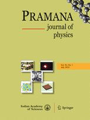
PRAMANA-JOURNAL OF PHYSICS
metrics 2024
Elevating Knowledge in Physics and Astronomy Since 1973
Introduction
PRAMANA-JOURNAL OF PHYSICS, published by the esteemed Indian Academy of Sciences, serves as a pivotal platform for disseminating high-quality research in the field of Physics and Astronomy. Established in 1973, this journal aims to promote significant findings in various branches of physics, encapsulating both theoretical and experimental research. With a solid reputation reflected in its Q2 ranking in the Physics and Astronomy (miscellaneous) category and a commendable 94/243 rank in the Scopus database, PRAMANA stands at the forefront of the academic community. Researchers, professionals, and students benefit from its accessible compilation of innovative studies, contributing richly to the scholarly discourse. The journal, operating from its base in Bangalore, India, is committed to advancing knowledge through rigorous peer-reviewed articles, ensuring that all contributions hold merit in expanding our understanding of the physical world.
Metrics 2024
 0.381.901.8061
Metrics History
Rank 2024
Scopus
IF (Web Of Science)
JCI (Web Of Science)
Quartile History
Similar Journals
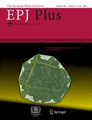
European Physical Journal Plus
Connecting Ideas, Inspiring DiscoveriesThe European Physical Journal Plus, published by Springer Heidelberg, is a reputable open-access journal that serves as a vital platform for innovative research across various disciplines, including physics, astronomy, and chemical engineering. With an impressive impact factor reflected by its Q2 ranking in both Fluid Flow and Transfer Processes and Physics and Astronomy (Miscellaneous) categories, this journal plays a crucial role in disseminating high-quality research findings. Since its inception in 2011, it has fostered interdisciplinary collaboration and encourages the exploration of fundamental principles and applications. The journal also boasts a respectable Scopus rank, indicating its solid influence and reach within the scientific community. Researchers, professionals, and students alike will find the journal to be an essential resource for staying abreast of advancements and trends in these dynamic fields, while its open-access model ensures that valuable insights are accessible to a broader audience.
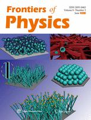
Frontiers of Physics
Connecting Ideas, Inspiring Physics ExcellenceFrontiers of Physics, published by Higher Education Press, is a premier open-access journal dedicated to fostering innovative research and excellence within the field of physics. With an ISSN of 2095-0462 and an E-ISSN of 2095-0470, this rapidly growing journal has established itself as a valuable platform for disseminating cutting-edge findings, covering a diverse range of topics from theoretical frameworks to experimental advancements. Notably, Frontiers of Physics has achieved an impressive Q1 ranking in the 2023 Scopus Quartiles for Physics and Astronomy, securing a competitive 5th out of 81 positions in its category, reflecting a high impact factor that underscores its importance to the scientific community. Since its inception in 2011 and continuing through 2024, the journal aims to bridge the gap between academia and industry, encouraging collaboration among researchers, professionals, and students alike. Its commitment to open access ensures that high-quality research is readily accessible, thereby promoting knowledge sharing and advancement in the global physics community. Explore the potential of your research in Frontiers of Physics, where the future of physics flourishes.

PHYSICAL REVIEW LETTERS
Connecting Researchers with Cutting-Edge DiscoveriesPhysical Review Letters, published by the American Physical Society, is a premier journal in the field of Physics and Astronomy renowned for its rapid dissemination of high-impact research findings. With a distinguished history dating back to 1958 and an impressive ranking of #13 out of 243 in the general physics category, it stands proudly within the Q1 quartile, placing it in the top 6% of journals in its field. The journal focuses on brief reports of significant fundamental research across all areas of physics, making it an essential resource for researchers, professionals, and students seeking to stay at the forefront of developments in their field. Although Physical Review Letters does not offer open access options, its rigorous peer-review process ensures a high standard of quality and relevance in its published articles. With an unwavering commitment to advancing the understanding of physical science, this journal is indispensable for those looking to make a genuine impact in their research endeavors.
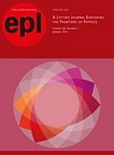
EPL
Shaping Tomorrow's Physics Through Collaborative ResearchEPL, a prominent journal published by IOP Publishing Ltd, stands at the forefront of the field of Physics and Astronomy. With a history of impactful contributions stretching from 1986 to 2024, EPL serves as a dynamic platform for researchers to disseminate their pioneering findings and innovative ideas. The journal, with a current category ranking of Q2 among its peers and a competitive Scopus rank of #101 out of 243 in the general physics and astronomy category, reflects its substantial reputation and contribution to the scientific community. Although it operates under a traditional subscription model, EPL's reach is extensive, enabling access to a diverse readership that includes academicians, industry professionals, and students alike. By fostering interdisciplinary collaboration and promoting rigorous research, EPL continues to play a vital role in shaping the future of physics and astronomy.

Jurnal Fizik Malaysia
Fostering Collaboration and Innovation in Physical Sciences.Jurnal Fizik Malaysia is a prominent academic journal dedicated to advancing the field of physics, published by the esteemed Institut Fizik Malaysia. With an aim to foster knowledge dissemination and research collaboration among physicists, the journal serves as a vital platform for original research articles, reviews, and technical notes that cover various sub-disciplines of physics. Although the journal operates under a traditional subscription model, its commitment to quality has been bolstered by a rigorous peer-review process, ensuring high academic standards. Researchers and students in Malaysia and beyond are encouraged to engage with this journal, contributing to a deeper understanding of physical sciences and its applications. Moreover, with its ISSN 0128-0333, Jurnal Fizik Malaysia continues to play a significant role in the scientific community, enhancing visibility and accessibility for local and international research outputs in the ever-evolving landscape of physics.
CHINESE JOURNAL OF PHYSICS
Catalyzing Innovation in the World of PhysicsCHINESE JOURNAL OF PHYSICS is a distinguished publication in the field of physics, published by Elsevier. With its roots in Taiwan, this journal has been a vital platform for disseminating innovative research findings since its convergence in 1996, and it continues to thrive, with articles contributing to the advancement of physics and astronomy until 2024. The journal is recognized for its high quality, achieving a notable Q2 ranking in the Physics and Astronomy category, positioning it among the top 30 out of 243 journals in its field, reflecting an impressive 87th percentile ranking. Although it does not operate under an open access model, the journal offers valuable insights into the latest trends and developments in general physics and astronomy, making it an essential resource for researchers, professionals, and students dedicated to advancing their knowledge and understanding of these dynamic fields. With a commitment to rigorous peer review and a diverse range of articles, the CHINESE JOURNAL OF PHYSICS is instrumental in fostering collaboration and innovation within the global scientific community.
MODERN PHYSICS LETTERS B
Shaping the future of condensed matter and statistical physics.MODERN PHYSICS LETTERS B, published by World Scientific Publishing Co Pte Ltd, is a pivotal journal in the fields of Condensed Matter Physics and Statistical and Nonlinear Physics. With an ISSN of 0217-9849 and an E-ISSN of 1793-6640, this journal has been a prominent platform for innovative physics research since its inception in 1996, catering to a global audience of researchers, professionals, and students alike. Its impact is reflected in its Scopus rankings, with a commendable position in the 65th percentile for Statistical and Nonlinear Physics and the 54th percentile for Condensed Matter Physics. Despite its classification in the Q3 quartile, MODERN PHYSICS LETTERS B is dedicated to advancing knowledge through rapid dissemination of high-quality research, thus playing a critical role in shaping future developments in its disciplines. Published in Singapore, the journal encourages contributions that address contemporary challenges and breakthroughs in physics, fostering an engaged scholarly community.
PHYSICS OF PARTICLES AND NUCLEI
Exploring the Frontiers of Nuclear PhysicsPhysics of Particles and Nuclei is an esteemed journal within the field of nuclear and high energy physics, published by Pleiades Publishing Inc. Based in the United States, this journal has been a vital platform for disseminating cutting-edge research since its inception in 1996, with coverage extending until 2024. Indexed under the ISSN 1063-7796 and the E-ISSN 1531-8559, it has established itself as a noteworthy publication, currently categorized in the Q3 quartile according to the 2023 standards for Nuclear and High Energy Physics. With its Scopus ranking placing it at #62 out of 87 in its category, Physics of Particles and Nuclei provides unique insights and discussions that resonate with academics, researchers, and students alike. Although it does not offer open access, the journal continues to serve as a crucial resource for those looking to engage deeply with the latest advancements and theoretical explorations in particle and nuclear physics.
Science China-Physics Mechanics & Astronomy
Unlocking the Secrets of the UniverseScience China-Physics Mechanics & Astronomy, published by SCIENCE PRESS, stands as a prestigious journal within the Physics and Astronomy domain, particularly recognized for its contributions to the understanding of fundamental and applied physics. With an exhilarating Q1 ranking in the 2023 category and earning a remarkable scopus rank of #21 out of 243, the journal demonstrates its significant impact, being positioned in the 91st percentile of its field. Operating under an Open Access model, it facilitates the broad dissemination of high-quality research, ensuring accessibility for researchers, professionals, and students worldwide. Its scope covers a variety of essential topics in physics and astronomy, promoting a comprehensive understanding of the latest advancements from 2010 through 2024. The journal is a vital resource for anyone aiming to stay at the forefront of research in these dynamic fields, with its prominent address located in Beijing, China, symbolizing its global influence.

Romanian Journal of Physics
Exploring the universe through rigorous research.Welcome to the Romanian Journal of Physics, a distinguished platform dedicated to advancing the field of physics and astronomy since its inception. Published by EDITURA ACAD ROMANE, this journal plays a pivotal role in disseminating high-quality research from Romania and around the globe, with an impressive impact factor that reflects its rigorous academic standards. With a focus on a broad range of topics in general physics and astronomy, it proudly maintains a Q2 ranking in its category for 2023, positioning itself among the top journals in the field. The journal, which has been converging valuable research contributions from 2008 until 2024, is accessible to a wide audience of researchers, professionals, and students interested in the latest developments and discoveries in physics. While it operates under a traditional publication model without Open Access, its commitment to quality research ensures that the contributions featured in its pages resonate well within the scientific community. We invite you to explore the rich findings published in the Romanian Journal of Physics and to engage with the vital discussions shaping the future of physics.