
Prilozi Instituta za Arheologiju u Zagrebu
metrics 2024
Connecting scholars to the rich tapestry of Croatia's archaeological heritage.
Introduction
Prilozi Instituta za Arheologiju u Zagrebu is a prominent academic journal published by INST ARHEOLOGIJU, dedicated to advancing the field of archaeology and related historical studies. Operating in Croatia, this journal serves as a vital platform for scholars, researchers, and students to disseminate innovative research and insights within the realm of archaeology, with a focus on the rich cultural heritage of the region. The journal spans contributions from 2002 to 2011 and has ongoing publication since 2013, reflecting its commitment to contemporary archaeological discourse. With a growing reputation, it has achieved a Q3 ranking in the fields of Archaeology and Arts and Humanities, and a Q2 ranking in History, signifying its impact and relevance in the academic community. Although Open Access options are not available, the journal remains an essential resource for those pursuing in-depth knowledge and research in archaeology. Researchers can harness the journal's extensive scope to explore critical historical narratives and archaeological findings, solidifying its importance in both local and global contexts.
Metrics 2024
 0.140.300.3011
Metrics History
Rank 2024
Scopus
JCI (Web Of Science)
Quartile History
Similar Journals
Journal of Islamic Archaeology
Advancing Knowledge in Islamic ArchaeologyJournal of Islamic Archaeology is a distinguished publication dedicated to advancing the field of archaeology through the lens of Islamic heritage and culture. Published by EQUINOX PUBLISHING LTD, this journal provides a platform for researchers, professionals, and students to disseminate their findings and engage in critical dialogue regarding the archaeological aspects of Islamic societies from 2014 to the present. With an ISSN of 2051-9710 and E-ISSN 2051-9729, the journal is indexed within significant academic databases and positioned notably in the Q3 and Q2 quartiles for archaeology in the Arts and Humanities and Social Sciences categories, respectively. The journal fosters scholarly exchange and innovation, drawing attention to the rich tapestry of Islamic archaeology, and securing its role as an essential resource for practitioners and academics alike. Its commitment to rigorous peer-review and high-quality contributions ensures a valuable repository of knowledge, enhancing the understanding of an often underrepresented field in archaeology.

Journal of Pacific Archaeology
Advancing Knowledge in Pacific Archaeological StudiesThe Journal of Pacific Archaeology, published by the New Zealand Archaeological Association, serves as a pivotal platform for disseminating cutting-edge research in the field of archaeology across the Pacific region. With an ISSN of 1179-4704 and an E-ISSN of 1179-4712, the journal provides a forum for scholarly discourse aimed at both established researchers and emerging scholars alike. Focusing on the rich tapestry of archaeological studies, it covers a diverse array of topics, from ancient settlement patterns and cultural practices to contemporary analyses of material culture. As an Open Access journal, it ensures that its findings are readily available to all, fostering inclusivity in academic research and enabling practitioners to share knowledge without barriers. The Journal of Pacific Archaeology is indispensable for those committed to understanding the complexities and nuances of Pacific archaeology, making significant contributions to both regional and global archaeological narratives.

Kratkie Soobshcheniya Instituta Arkheologii
Advancing the Frontiers of Archaeological KnowledgeKratkie Soobshcheniya Instituta Arkheologii is a prestigious academic journal published by IZDATELSTVO NAUKA, specializing in the fields of archaeology and history. With an ISSN of 0130-2620, this journal has established itself as a vital resource for scholars, researchers, and students engaged in the humanities, particularly within the Russian Federation. Recognized for its high-quality contributions, it has achieved a remarkable Q1 ranking in both Archaeology and History for the year 2023, demonstrating its significant impact and relevance in these disciplines. Although it does not provide open access, the journal's robust positioning in Scopus — ranking #634 in History and #208 in Archaeology — further attests to its scholarly authority and the insightful research it disseminates. The journal covers a comprehensive range of topics, facilitating a deeper understanding of archaeological practices and historical methodologies, thereby fostering academic dialogue and knowledge advancement from 2018 through 2024. Addressing an international audience of professionals and students alike, Kratkie Soobshcheniya stands as a cornerstone for innovative research in archaeology and history.

Yorkshire Archaeological Journal
Bridging Past and Present: Yorkshire's Archaeological JournalYorkshire Archaeological Journal, published by Routledge Journals, Taylor & Francis Ltd, stands as a pivotal resource in the field of archaeology, particularly focused on the rich heritage and archaeological research within the Yorkshire region of the United Kingdom. With a dedicated ISSN of 0084-4276 and an E-ISSN of 2045-0664, this journal provides both researchers and practitioners valuable insights into archaeological discoveries, methodologies, and theoretical frameworks. While it holds a Q3 ranking in both Archaeology (Arts and Humanities) and Archaeology (Social Sciences), its contributions remain significant for advancing discussions and knowledge within the discipline. The journal's archival depth, converging from as early as 1980 and continuing robustly into 2024, showcases a commitment to fostering academic discourse and exploration of archaeological heritage. Although it does not currently offer open access, its rigorous peer-reviewed articles make it an essential reference for academics, professionals, and students alike who are eager to deepen their understanding of archaeology and its applications.

Revista de Arqueologia Historica Argentina y Latinoamericana
Unearthing the Past, Shaping the Future of ArchaeologyRevista de Arqueologia Historica Argentina y Latinoamericana is a vital scholarly journal dedicated to the field of archaeology, with a particular focus on the historical dimensions of Argentina and Latin America. Published by the Assoc Professional Archaeologists Argentine Republic, this open-access journal has been enriching the archaeological discourse since 2007, making its valuable content freely accessible to researchers, professionals, and students around the globe. With an ISSN of 1851-3190 and an E-ISSN of 2344-9918, the journal aims to foster a deeper understanding of the archaeological heritage of the region by publishing innovative research articles, critical reviews, and methodological advancements in the study of historical archaeology. Positioned as a prominent platform for scholarship, it plays a crucial role in advancing archaeological knowledge while promoting interdisciplinary approaches within the field.
Kiva-Journal of Southwestern Anthropology and History
Illuminating the Intersection of Anthropology and HistoryKiva - Journal of Southwestern Anthropology and History is a distinguished academic journal published by Routledge Journals, Taylor & Francis Ltd, that serves as a vital resource for scholars in the fields of anthropology, archaeology, and history. With an ISSN of 0023-1940 and an E-ISSN of 2051-6177, this journal has established itself as a significant avenue for scholarly communication since its inception in 1964. It consistently ranks in the top quartiles, including Q1 in Archaeology and Q2 in Anthropology, reflecting its high impact and rigorous peer-review process. Covering a wide array of topics pertinent to the Southwestern United States, Kiva invites original research articles, reviews, and methodological papers that advance understanding of the region's rich cultural heritage and historical narratives. While currently not open access, its commitment to disseminating quality research makes it an essential reading for researchers, professionals, and students aiming to explore the multifaceted dimensions of southwestern studies.
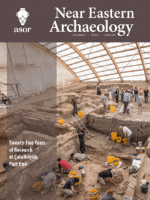
NEAR EASTERN ARCHAEOLOGY
Connecting Scholars to the Heart of Archaeological ResearchNEAR EASTERN ARCHAEOLOGY, published by University of Chicago Press, is a premier journal dedicated to the field of archaeology, particularly focusing on the rich cultural heritage and archaeological findings of the Near East. With an ISSN of 1094-2076 and an E-ISSN of 2325-5404, this esteemed publication provides a vital platform for scholars and practitioners to share their research, insights, and discoveries. The journal holds an impressive ranking in the Q1 quartile for both Archaeology and History in 2023, reflecting its significant impact within these fields and a robust history of scholarly contribution. The journal has been pivotal in shaping discussions around archaeological methodology, theory, and contemporary issues from 2002 to 2024, as it continues to reach a wide audience through various access options. With Scopus rankings placing it in the top percentiles for both History and Archaeology, NEAR EASTERN ARCHAEOLOGY represents an essential resource for researchers, professionals, and students alike, fostering the exploration and understanding of the region's archaeological narrative.
Archaeological Journal
Illuminating the Past, Inspiring Future GenerationsArchaeological Journal, published by Taylor & Francis Ltd, stands as a leading voice in the field of archaeology, with a remarkable distinction in the Q1 category for both arts and humanities as well as conservation, underscoring its critical role in advancing scholarly dialogue and research. With an ISSN of 0066-5983 and E-ISSN of 2373-2288, this journal provides a platform for innovative research from 1977, now offering insights up to 2024. The United Kingdom-based journal is highly regarded, being within the top 81st percentile in archaeology and conservation according to Scopus rankings. Essential for researchers, professionals, and students, the journal's content spans rigorous archaeological studies, theoretical advancements, and discussions on conservation practices, ultimately aimed at fostering a deeper understanding of humanity's past. Notably, with no open access option, it maintains a traditional publishing approach, thereby ensuring curated and high-quality contributions to the academic community.
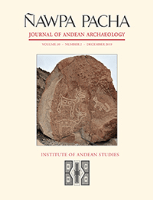
Nawpa Pacha
Uncovering New Perspectives in Arts and Humanities Research.Nawpa Pacha, a prestigious journal published by Taylor & Francis Ltd, stands as a significant platform for advancing research in Archaeology within the fields of Arts and Humanities. Since its inception in 2019, it has rapidly established itself with an impressive impact, evidenced by its categorization in the Q1 quartile for Archaeology and its significant rankings—placing it at Rank #88 in the Arts and Humanities category and Rank #86 in the Social Sciences. Published in the United Kingdom, the journal aims to foster interdisciplinary dialogue and promote scholarly work that contributes to the understanding of archaeological heritage and practices. Researchers, professionals, and students alike will find this journal indispensable for disseminating innovative methodologies, theoretical frameworks, and case studies that push the boundaries of archaeological inquiry. Whether seeking to explore historical narratives or contemporary archaeological challenges, Nawpa Pacha serves as a vital resource in the ever-evolving landscape of archaeological research.

Bulgarsko e-Spisanie za Arkheologiya-Bulgarian e-Journal of Archaeology
Advancing archaeological knowledge, one discovery at a time.Bulgarsko e-Spisanie za Arkheologiya - Bulgarian e-Journal of Archaeology is a prominent open-access journal published by the ASSOC BULGARIAN ARCHAEOLOGISTS since 2011, serving as a vital platform for the dissemination of archaeological research and findings in Bulgaria and beyond. With the ISSN 1314-5088, this journal is dedicated to advancing knowledge in the field of archaeology, facilitating the sharing of innovative studies, fieldwork results, and theoretical discussions. It is particularly significant for researchers, professionals, and students who are interested in the archaeological heritage of Bulgaria, providing an accessible venue for high-quality scholarly contributions. The journal's commitment to open access ensures that its rich repository of knowledge is available to a global audience, enhancing collaboration and fostering new discoveries within the discipline.